Are Entry-Level Road Bikes Good for UK Sportives?
Considering a £500–£1,000 road bike for UK sportives? This buyer’s guide explains what really matters for comfort, reliability and gearing on long rides, plus the trade-offs at this price.
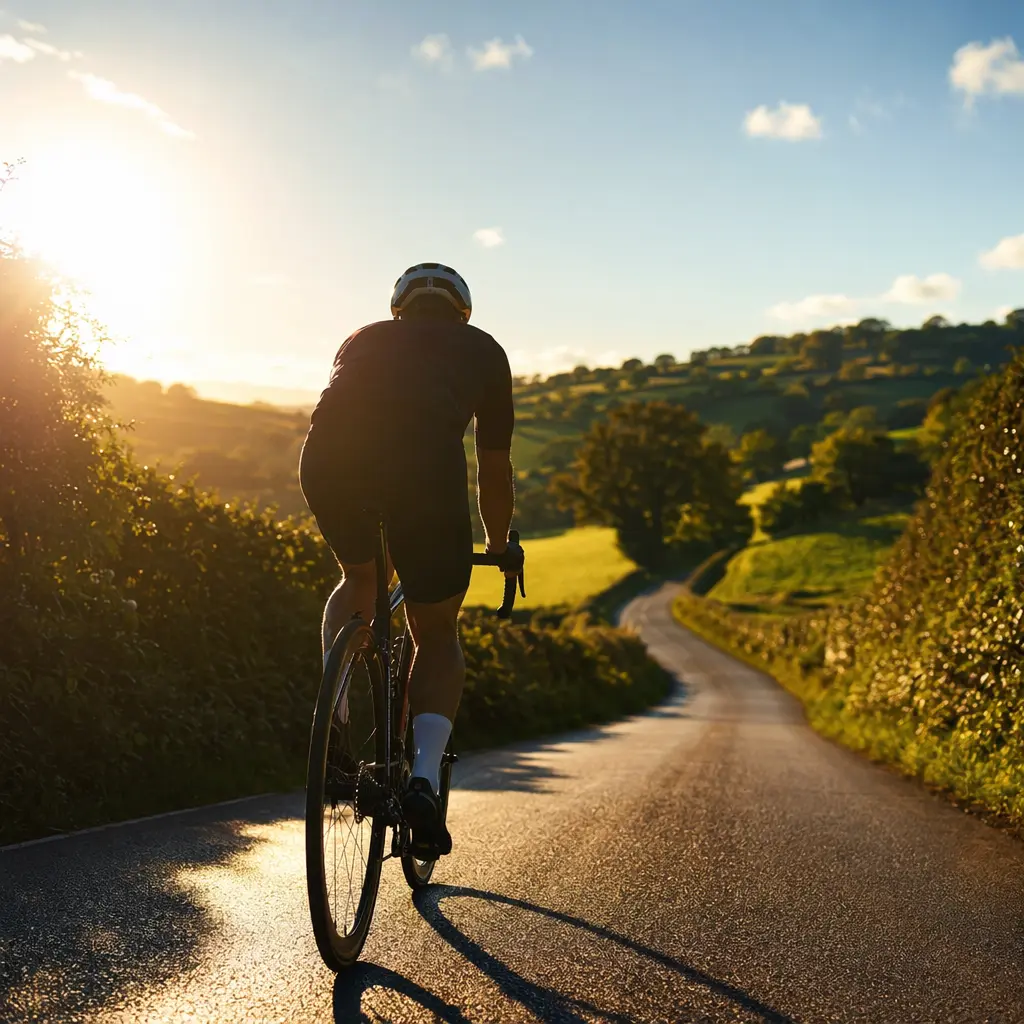
UK sportives can mean long miles, rougher tarmac and plenty of climbing — often all in one day. If you’re looking at an entry-level road bike in the £500–£1,000 bracket, the key question is whether it will stay comfortable and reliable for hours in the saddle. The short answer is yes, if you choose carefully. This guide focuses on what genuinely matters for sportive riding, rather than racing credentials.
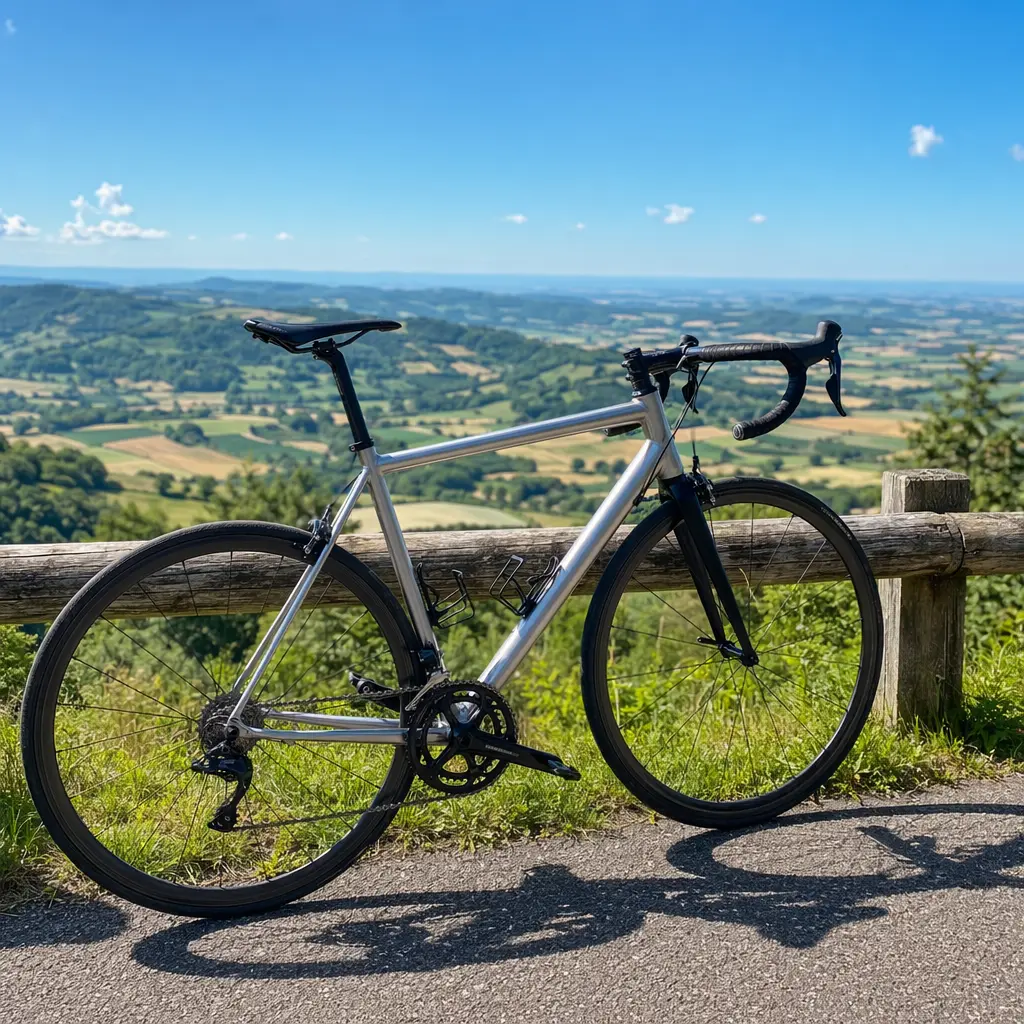
What to look for
At this price point, comfort and dependability beat outright speed. Look for sensible specifications that suit long days on mixed UK roads, rather than race-only features.
- Gearing: Compact or sub-compact chainsets with wide-range cassettes make steep climbs manageable when tired.
- Frame material: Aluminium frames are common and perfectly suitable; comfort comes from geometry and tyres more than the metal.
- Fork: A carbon fork helps reduce road buzz compared with alloy and is worth prioritising.
- Brake type: Mechanical disc or rim brakes are both workable; discs offer better wet-weather control, rims are lighter and simpler.
- Geometry: Endurance-style geometry gives a slightly higher front end and longer wheelbase for stability.
- Fit and sizing: Correct frame size matters more than any single component for comfort over distance.
- Weight: Don’t obsess — a kilo saved matters far less than good gearing and tyres.
- Accessory mounts: Check for mudguard clearance and rack eyelets if you plan winter riding or light luggage.
Budget and what you're getting
Between £500 and £1,000, you’re typically buying an aluminium frame with a carbon fork, mid-range components and durable wheels. Shifting will be reliable rather than silky-smooth, and wheels may be heavier than premium options. That’s normal. What you’re gaining is a bike that can handle training miles, sportive distances and imperfect roads without constant fettling. Upgrades like better tyres or a more comfortable saddle can be added later if needed.
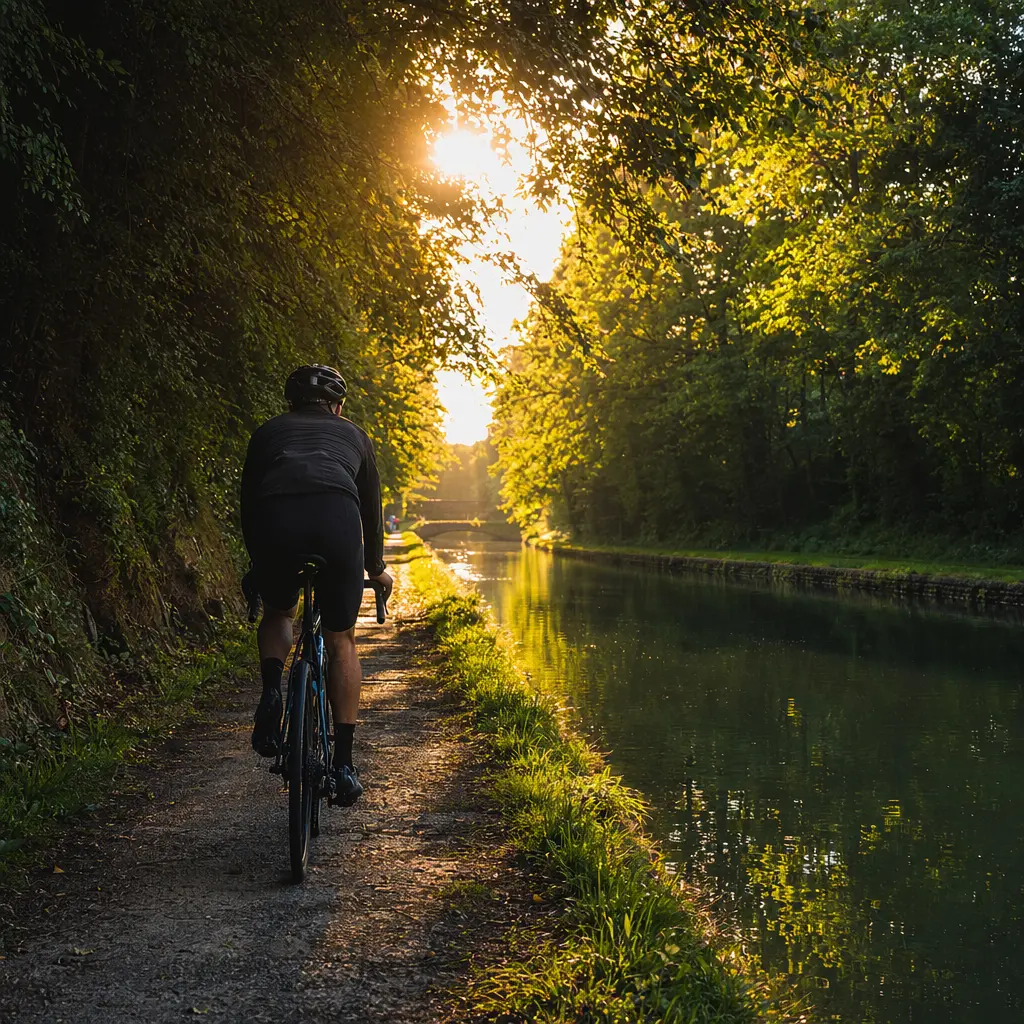
Standout categories or types
Not all entry-level road bikes are built the same. Understanding the main styles helps match the bike to your riding.
- Endurance road bikes: Designed with comfort in mind, often allowing wider tyres (28–32mm) and a more upright position.
- Race-inspired road bikes: Slightly more aggressive geometry; fine for fit riders but less forgiving on long, rough sportives.
- Rim brake vs disc brake builds: Discs shine in wet UK conditions, while rim brakes keep weight and maintenance down.
Frequently asked questions
Will an entry-level road bike be comfortable for 100-mile sportives?
Yes, provided the fit is right and the geometry isn’t overly aggressive. Wider tyres at lower pressures and a sensible saddle setup make a big difference over long distances.
Are disc brakes essential for UK sportives?
They’re helpful, especially in wet or hilly areas, but not essential. Well-set-up rim brakes still perform adequately in dry conditions.
How important is tyre clearance?
Very. Clearance for at least 28mm tyres improves comfort and grip on rougher roads, which are common on UK routes.
Should I upgrade parts straight away?
No rush. Ride the bike first. Tyres are usually the best-value upgrade if you want more comfort or grip.
For UK sportives, an entry-level road bike can be a solid and sensible choice. Focus on fit, gearing and comfort features rather than chasing race specs, and you’ll have a bike that’s ready for long days, changing weather and plenty of climbing.
Find these on Amazon
As an Amazon Associate, CheapBikes earns from qualifying purchases.