Endurance vs Race Road Bikes: Which Suits UK Riders?
Endurance and race road bikes look similar but ride very differently. This guide explains geometry, gearing and comfort to help UK cyclists choose the right option for fitness, commuting and long rides.
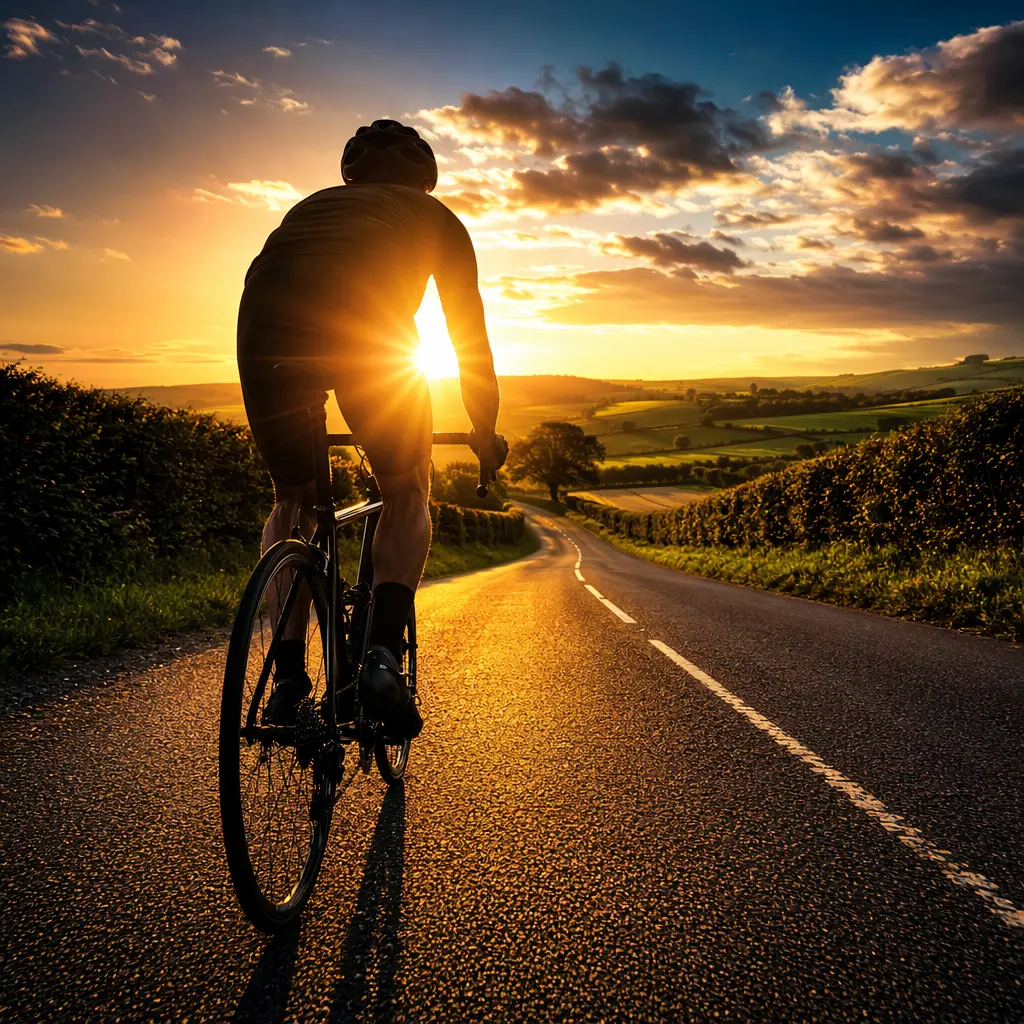
If you’re shopping for a road bike in the UK, you’ll quickly run into two labels: endurance and race. They look similar at a glance, but they’re built for different priorities. For riders focused on fitness, club runs and long days on mixed-quality roads, the differences in geometry, gearing and comfort matter more than outright speed.
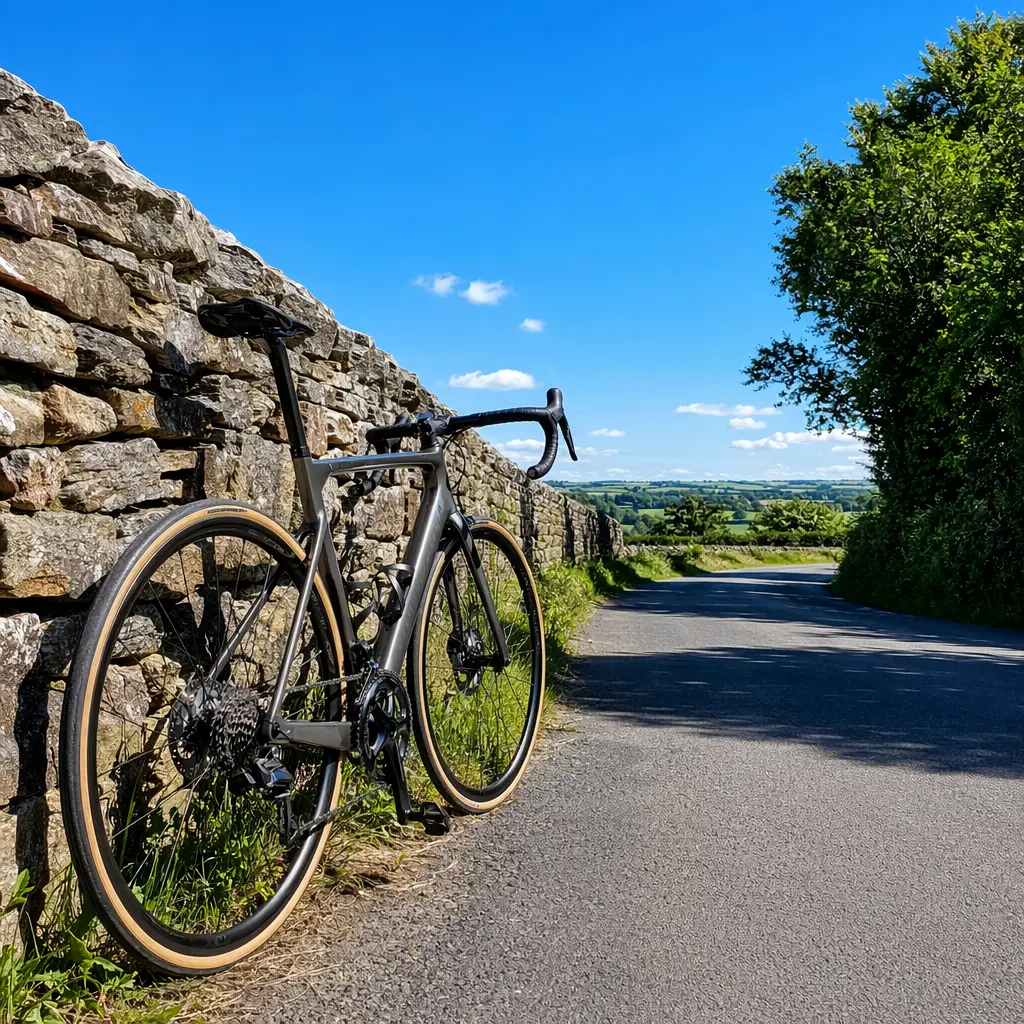
What to look for
Endurance and race bikes share drop handlebars and skinny tyres, but the details change how they feel on real roads. When comparing the two, these are the practical points that affect everyday riding.
- Geometry: Endurance bikes have a taller front end and slightly shorter reach, putting you in a more upright position. Race bikes are lower and longer for an aerodynamic tuck.
- Gearing: Endurance bikes usually come with wider-range gears, making steep climbs and tired legs easier to manage. Race bikes favour closer ratios for maintaining speed.
- Frame material: Both are commonly aluminium or carbon. Endurance frames often add flex or comfort features, while race frames prioritise stiffness.
- Brake type: Disc brakes are now common on both, but endurance bikes embraced them earlier for all-weather control on UK roads.
- Tyre clearance: Endurance bikes tend to allow wider tyres, which improves comfort and grip on rough tarmac.
- Fit and stability: Endurance bikes are designed to feel calm and predictable. Race bikes respond faster to steering inputs.
- Weight and accessories: Race bikes aim to be lighter and cleaner. Endurance bikes are more likely to accept mudguards or a small pannier rack.
Budget and what you're getting
At the same price point, endurance and race bikes usually share similar components, but the frame design changes the ride. With endurance bikes, some of the budget goes into comfort-focused geometry and tyre clearance rather than shaving grams. Race bikes may feel quicker on smooth roads, but compromises often show up sooner on rough surfaces or long rides. For value-conscious UK riders, endurance bikes tend to deliver a more forgiving experience without costing more.
Standout categories or types
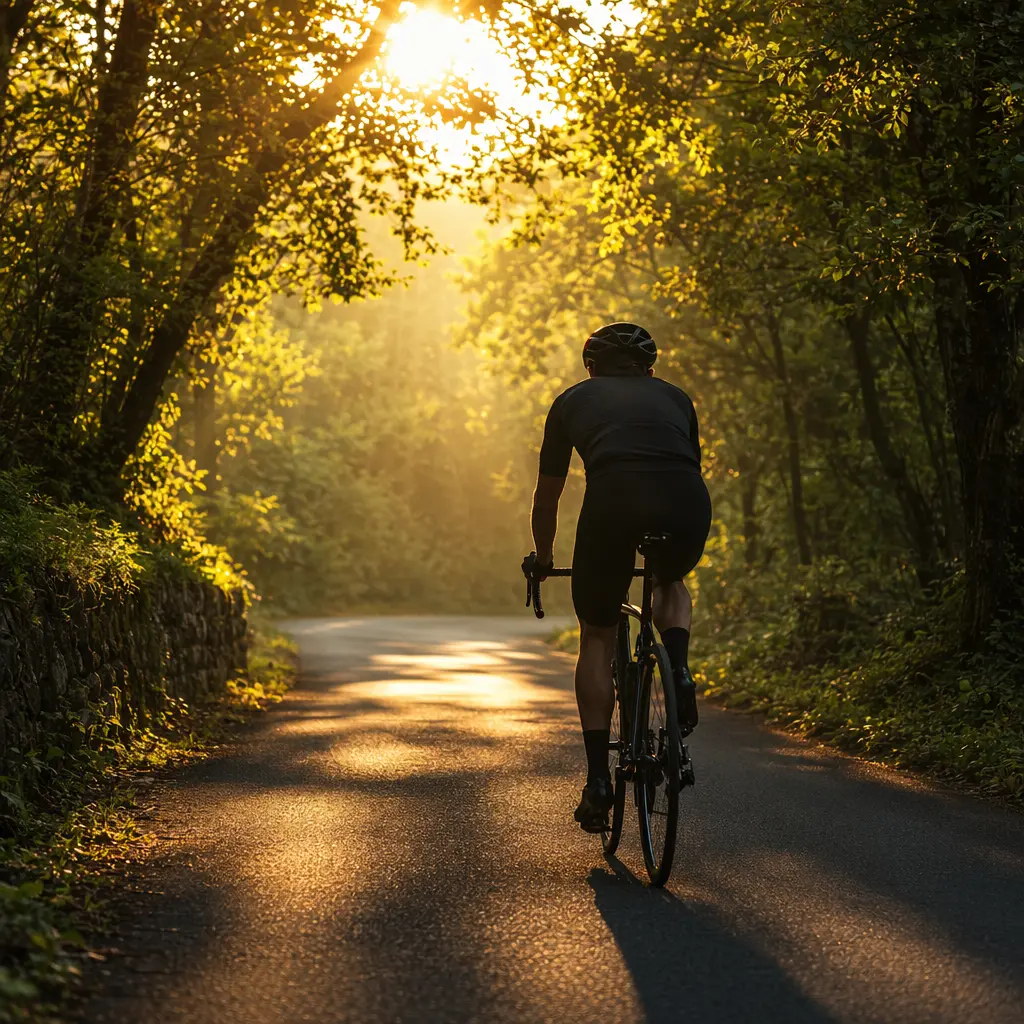
Within road bikes, endurance and race designs sit on a spectrum rather than as strict opposites. Understanding where you ride most often helps narrow the choice.
- Endurance-focused road bikes: Best for long distances, rough UK road surfaces and mixed-use riding. More upright, more comfortable, and easier to live with day to day.
- Race-focused road bikes: Designed for speed, events and fast club rides. Lower position and sharper handling reward flexibility and fitness.
- Endurance bikes with sporty leanings: Some models blur the line, offering comfort features with a slightly racier feel for riders who want one bike to do everything.
Frequently asked questions
Are endurance bikes slower than race bikes?
In real-world UK riding, the difference is often small. Endurance bikes may be slightly heavier or less aerodynamic, but comfort can help you maintain speed for longer, especially on rough roads.
Which is better for beginners?
Most new road cyclists find endurance bikes easier to adapt to. The more relaxed position reduces strain on the back, neck and wrists while you build fitness.
Can you use an endurance bike for commuting?
Yes. Endurance bikes are usually better suited thanks to wider tyre clearance and the option to fit mudguards, which matter in UK weather.
Do race bikes make sense for fitness riding only?
They can, but only if you’re comfortable in an aggressive position and ride mostly smooth roads. Otherwise, an endurance bike is often the more practical choice.
For most UK riders focused on fitness rather than racing, endurance road bikes strike a better balance. They’re designed for longer rides, imperfect road surfaces and everyday usability. Race bikes still have a place, but unless speed and competition are your main goals, endurance designs are usually the smarter, more comfortable option.
Find these on Amazon
As an Amazon Associate, CheapBikes earns from qualifying purchases.