Best kids’ bikes £300–£500: when spending more makes sense
A buyer’s guide to kids’ bikes priced £300–£500. Learn where the extra money goes—lighter frames, better gearing and tougher parts—and when it’s worth paying more as young riders grow.
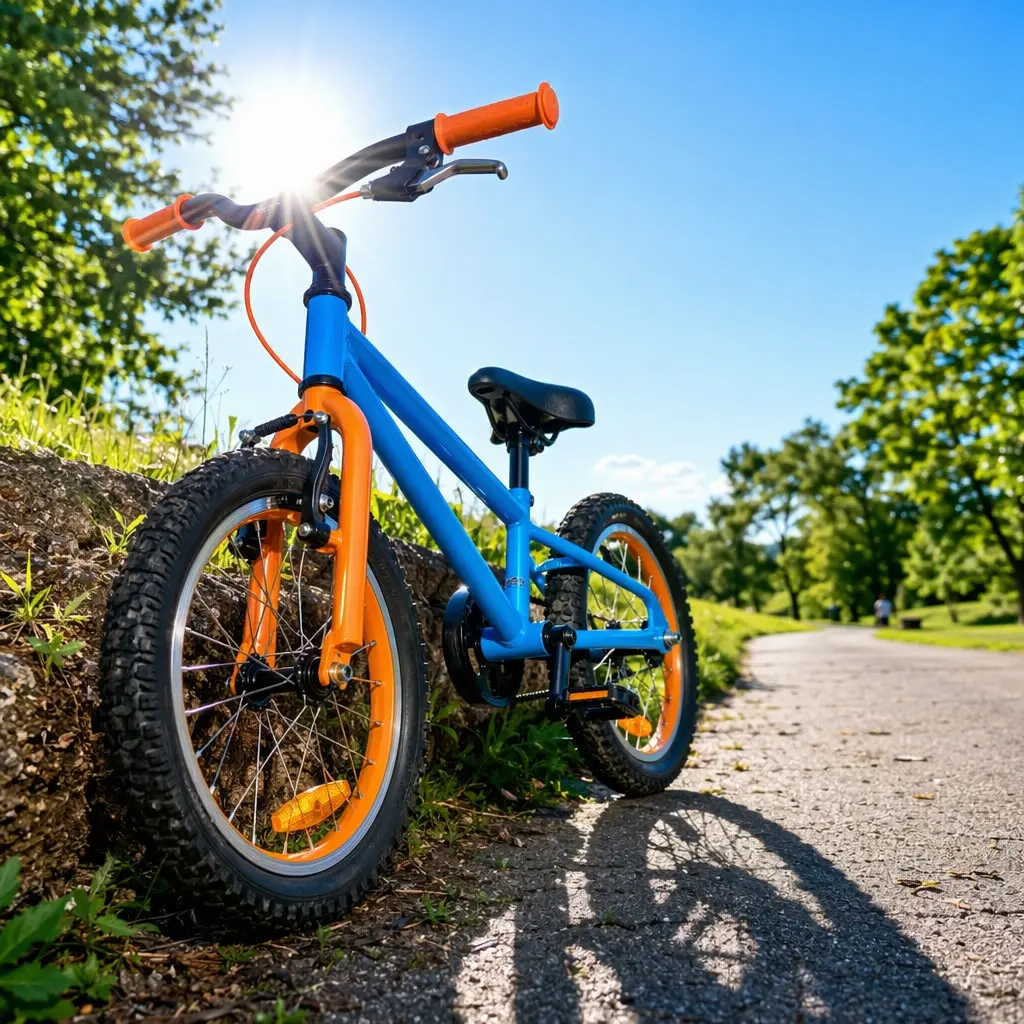
Spending £300–£500 on a kids’ bike can feel like a big step up, especially knowing children grow fast. But as young riders get taller, stronger and more adventurous, this price band can make a real difference to weight, gearing and durability. The question is when that extra spend actually pays off—and what to prioritise so you’re not just buying a smaller version of an adult bike.
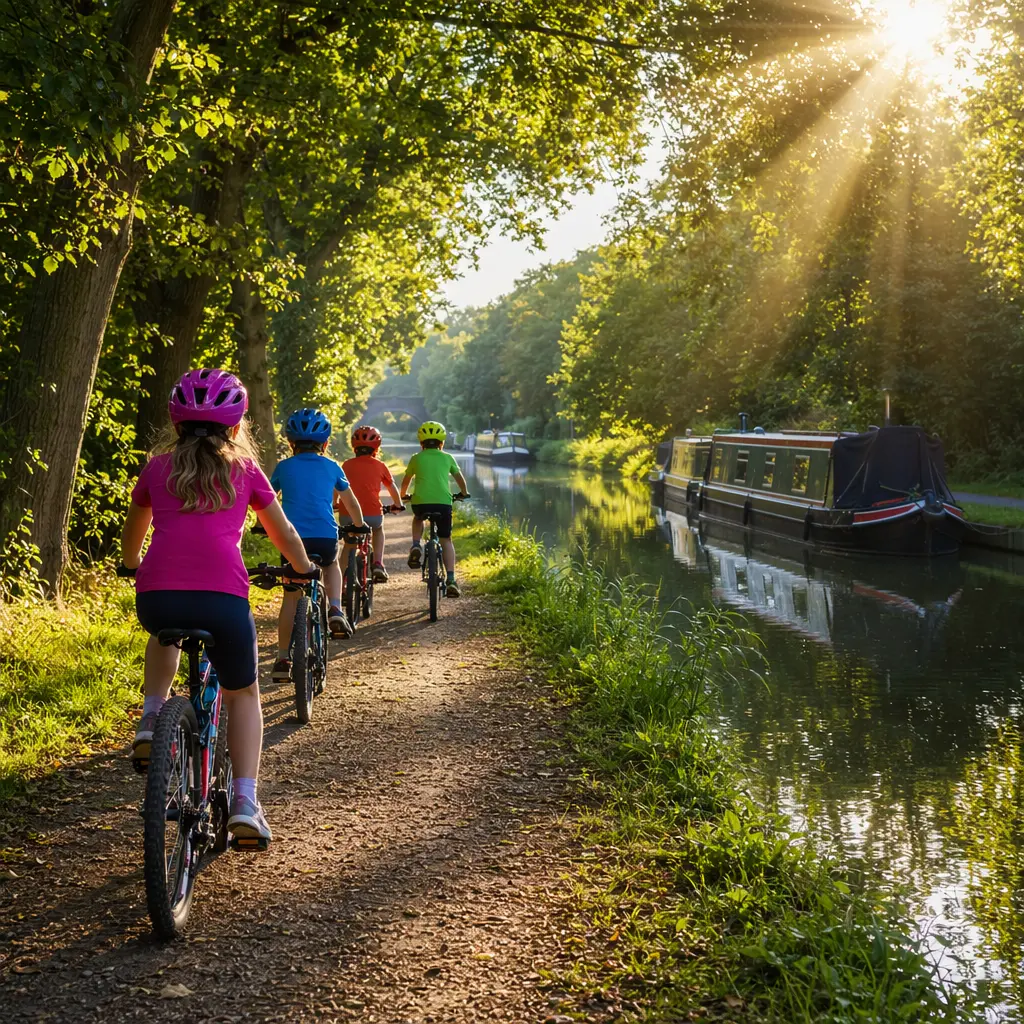
What to look for
At £300–£500, you’re paying for meaningful upgrades rather than flashy extras. These bikes are designed for children who ride regularly, tackle longer distances or venture onto mixed terrain.
- Weight: A lighter bike is easier to control and far less tiring. Aluminium frames with slim tubing are common here, and overall weight often drops by a couple of kilos compared with cheaper bikes.
- Gearing: Expect a wider, more usable gear range. Many bikes move from single-speed or basic setups to 7–9 speed drivetrains with child-friendly shifters.
- Frame material: Aluminium dominates for its light weight and rust resistance. Some steel options exist, trading a little weight for toughness and ride comfort.
- Brakes: Mechanical disc brakes or good-quality V-brakes are typical. Discs offer better wet-weather performance, while rim brakes are lighter and simpler to maintain.
- Geometry: Frames are properly scaled for children, with shorter reach, lower standover height and narrower handlebars for better control.
- Fit and sizing: Sizes are usually based on wheel diameter (20in, 24in, sometimes 26in) and rider height ranges. Getting this right matters more than brand.
- Included accessories: Many bikes skip mudguards, racks and kickstands to save weight. These can be added later if needed.
Budget and what you're getting
In the £300–£500 bracket, the biggest gains are reduced weight, smoother shifting and components that stand up to regular use. You’re unlikely to get top-end suspension or ultra-light racing parts, but you should see fewer compromises. The trade-off is that accessories are often minimal and tyres may be more general-purpose than specialist. For many families, the real value is durability—these bikes cope better with daily riding, hand-me-downs and resale.
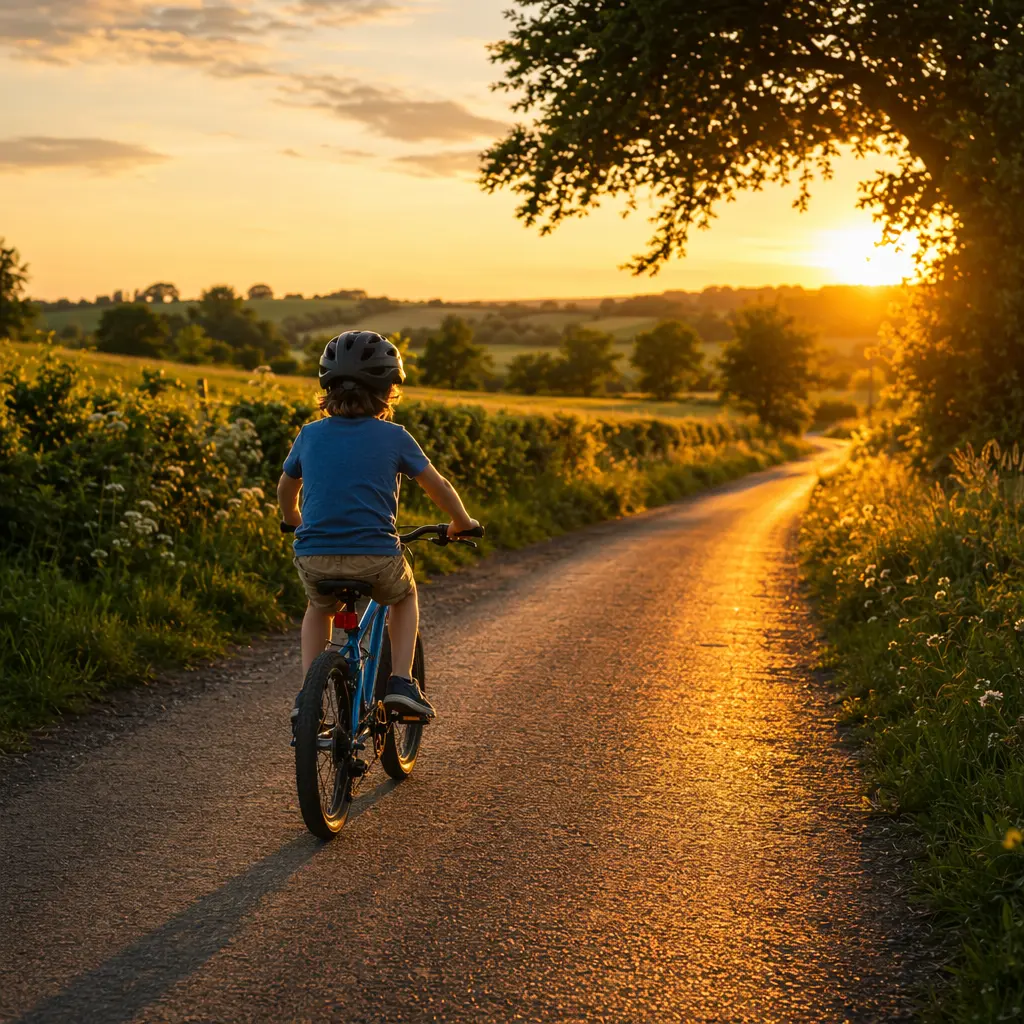
Standout categories or types
Not all kids’ bikes in this price range aim to do the same job. Choosing the right type depends on where and how your child rides.
- Lightweight all-rounders: Rigid forks, narrow tyres and simple setups keep weight low. Ideal for roads, paths and longer family rides.
- Trail-ready bikes: Often with front suspension and chunkier tyres. Heavier, but more confidence-inspiring on woodland tracks and rough paths.
- Junior mountain bikes: Built tougher with stronger wheels and lower gearing. Best for keen riders who push hard off-road.
- Urban and school bikes: Upright geometry and tougher tyres for kerbs and potholes, sometimes with mounts for mudguards and panniers.
Frequently asked questions
Is £300–£500 really worth it for a kids’ bike?
For occasional short rides, cheaper bikes can be fine. But if your child rides weekly, covers longer distances or tackles hills, the lighter weight and better gearing here can make cycling more enjoyable and encourage them to ride more.
How long will a bike in this price range last?
In terms of durability, often several years. Fit is the limiting factor—children may outgrow the size before the bike wears out. Good condition bikes in this bracket also tend to hold resale value better.
Are disc brakes necessary for kids?
Not essential, but useful. Disc brakes perform better in the wet and require less hand strength when set up well. Rim brakes are lighter and cheaper to maintain, and still perfectly adequate for most riding.
Should I prioritise weight over features?
Usually yes. A lighter bike is easier to handle and more fun to ride. Features like suspension or extra gears only help if they don’t add excessive weight or complexity.
What size should I buy if my child is between sizes?
Err on the smaller size. A bike that fits now builds confidence and control. You can raise the saddle as they grow, but an over-long reach or tall frame is harder to fix.
Spending £300–£500 on a kids’ bike makes the most sense when cycling is becoming a regular habit rather than an occasional outing. By focusing on weight, fit and sensible components, you can buy a bike that supports your child’s progress—and makes riding more enjoyable for everyone.
Find these on Amazon
As an Amazon Associate, CheapBikes earns from qualifying purchases.