Best kids’ bikes under £300: sizing, weight and brakes
A practical UK buyer’s guide to kids’ bikes under £300. Learn how to choose the right size, keep weight manageable, and pick safe, simple brakes for confident young riders.
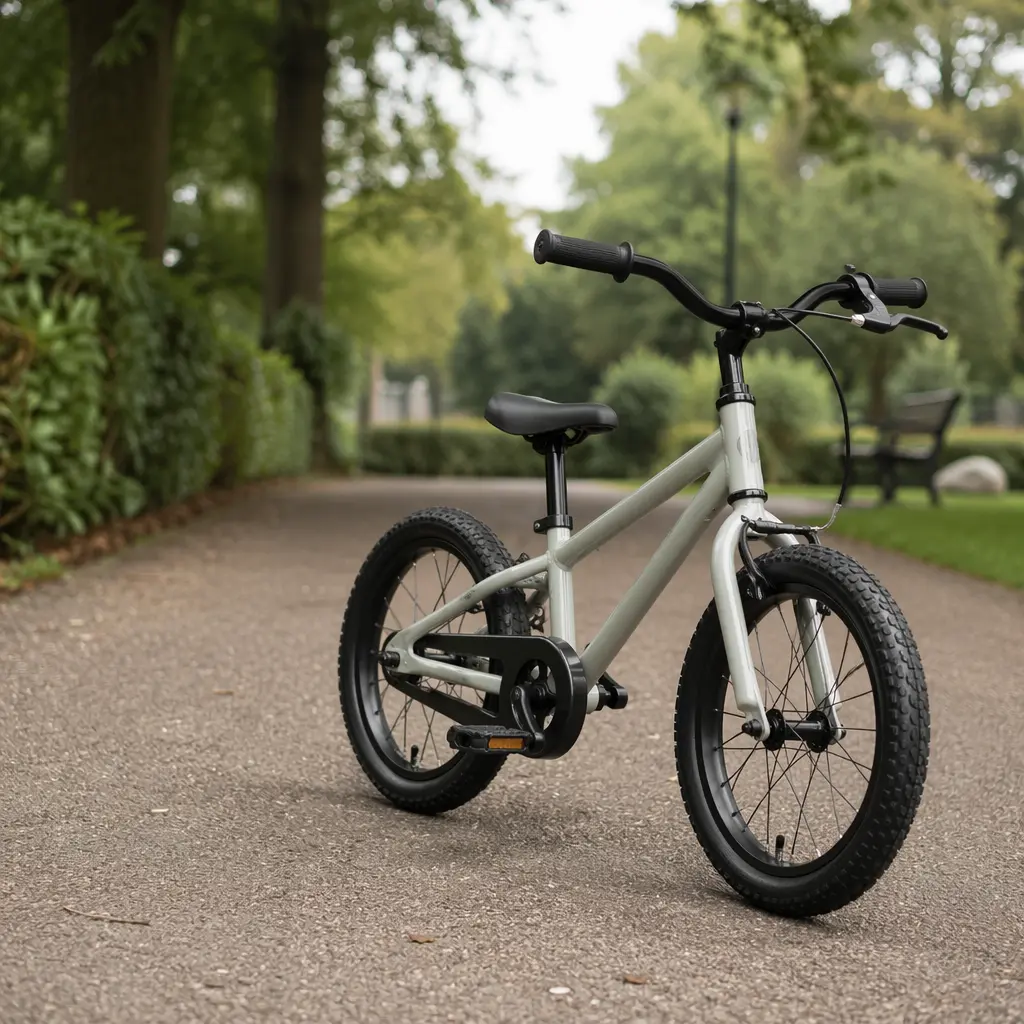
Buying a kids’ bike under £300 is about getting the basics right rather than chasing features. At this price, the biggest differences to how a bike rides and feels are size, weight and brake setup. Choose well and a child can ride confidently and safely; choose badly and even short trips can feel hard work. This guide explains what matters most for UK families shopping on a sensible budget.
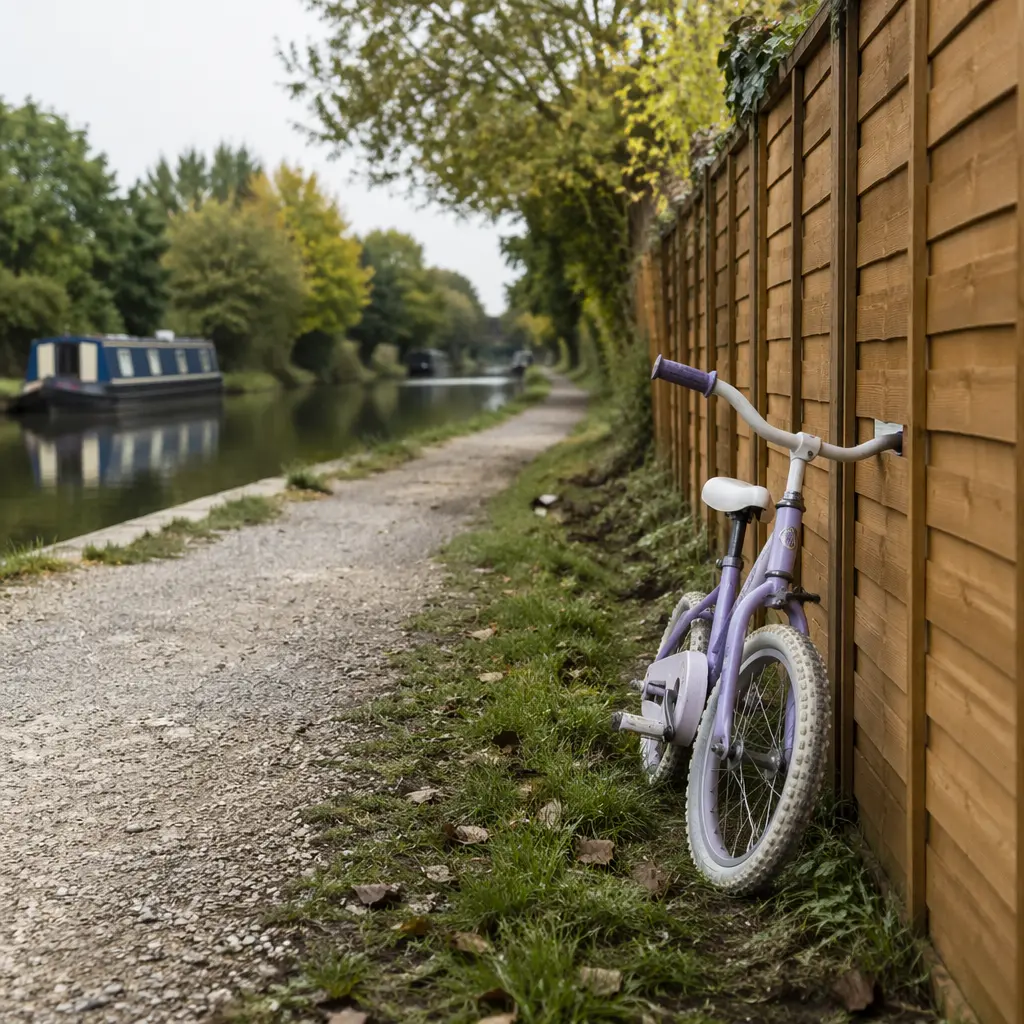
What to look for
Under £300, there are plenty of capable kids’ bikes, but spec sheets can be confusing. Focus on the fundamentals below and you’ll avoid the most common pitfalls.
- Sizing and wheel size: Kids’ bikes are sized by wheel diameter (typically 12in, 14in, 16in, 20in and 24in). Match the bike to the child’s inside leg and height, not their age. A bike that’s too big is hard to control and unsafe.
- Weight: Lighter bikes are easier to start, stop and steer. In the sub-£300 range, alloy frames are common and usually lighter than steel. Avoid unnecessary extras that add weight without helping riding.
- Frame material: Aluminium (alloy) is the norm at this price and resists rust. Steel can be tougher but is usually heavier. For most children, lower weight matters more than ultimate durability.
- Brakes: Younger riders often do best with simple rim brakes. Check that brake levers are small enough for little hands. Coaster (back-pedal) brakes are found on some smaller bikes but can confuse children moving up from balance bikes.
- Gearing: Many kids’ bikes under £300 are single-speed, which keeps things simple and light. Gears can help on hills for older children, but they add weight and maintenance.
- Geometry and fit: A low stand-over height and upright riding position help confidence. Children should be able to put both feet down easily when stopping.
- Included accessories: Mudguards, chainguards and reflectors can be useful, but make sure they’re fitted securely and don’t interfere with pedalling or braking.
Budget and what you’re getting
With a £300 ceiling, you’re paying for a safe, functional bike rather than premium components. Expect basic brakes, straightforward wheels and tyres, and limited adjustability. You won’t usually get hydraulic disc brakes or ultra-lightweight parts, but that’s rarely a problem for children riding to school, the park or on family cycle paths. The key trade-off is weight versus features: simpler bikes are often easier for kids to ride.
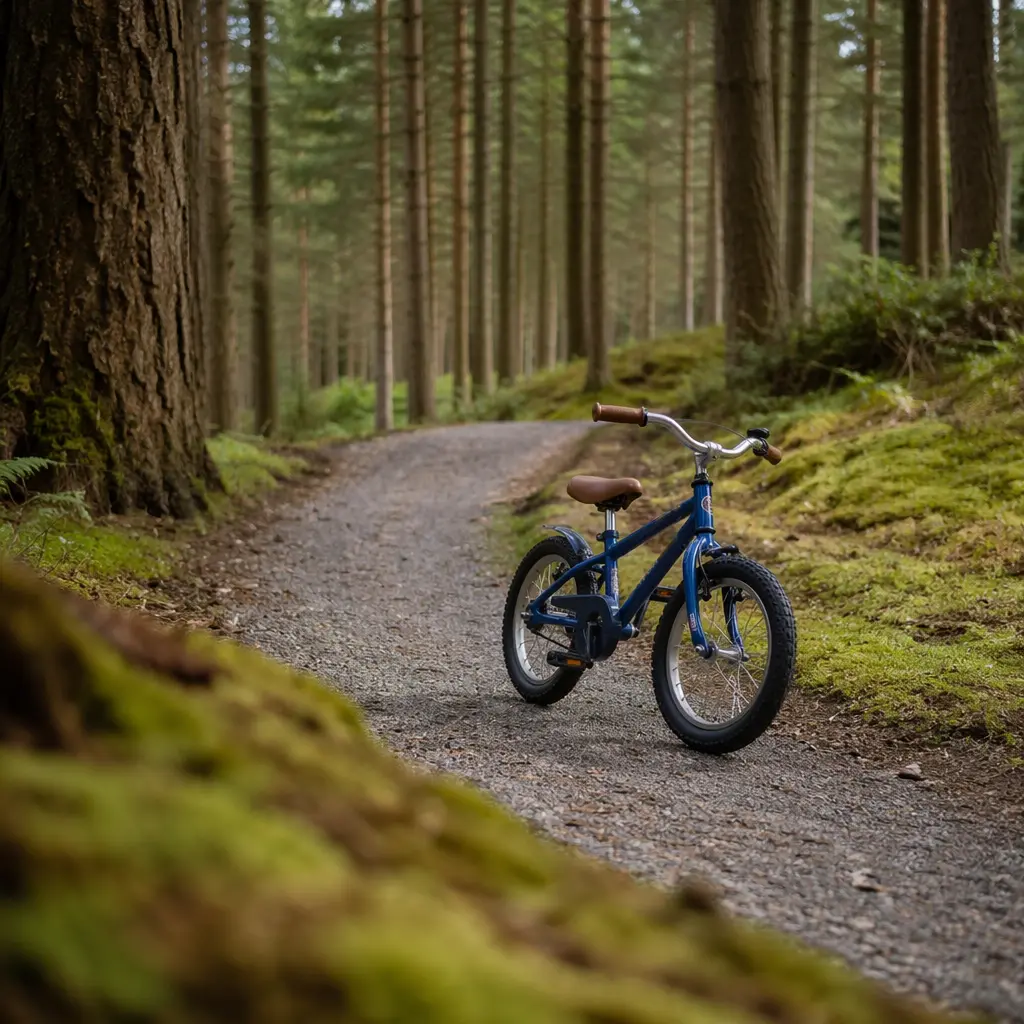
Standout categories or types
Even within a tight budget, kids’ bikes fall into a few clear categories. Understanding these helps narrow the search quickly.
- Balance-to-pedal transition bikes: Smaller wheel sizes with very low frames help children moving up from balance bikes. Look for light weight and easy-to-use brakes.
- Simple single-speed bikes: Ideal for flat or gently rolling areas. Fewer parts mean less to go wrong and less weight for a child to manage.
- Geared junior bikes: Usually 20in or 24in wheels, aimed at older children tackling longer rides or hills. Check that the shifters are easy to reach and operate.
- Front-suspension bikes: Often marketed as ‘mountain bikes’, but basic suspension adds weight and rarely helps on roads or paths. Rigid forks are usually the better choice under £300.
Frequently asked questions
How do I know if the bike fits properly?
A child should be able to stand over the frame with some clearance and reach the handlebars comfortably without stretching. When seated, they should touch the ground with the balls of their feet.
Are disc brakes better for kids?
Mechanical disc brakes can work well, but rim brakes are lighter and simpler. For most children riding in dry conditions, well-set-up rim brakes are more than adequate.
Is a heavier bike safer?
Not usually. A lighter bike is easier to control, especially when starting and stopping. Safety comes from good fit, predictable handling and reliable brakes, not extra weight.
Should I buy a bike my child can ‘grow into’?
Buying too big is a common mistake. A bike that fits now builds confidence and skills. Kids grow quickly, but resale or hand-me-downs often make more sense than oversizing.
Under £300, the best kids’ bike is the one that fits properly, feels light enough for the rider, and has simple, dependable brakes. Ignore flashy features and focus on control and comfort. Get those right, and you’ll have a bike that encourages regular riding and makes cycling fun rather than frustrating.
Find these on Amazon
As an Amazon Associate, CheapBikes earns from qualifying purchases.