How to Choose a Kids’ Bike for Daily School Rides
A practical guide to picking a kids’ bike for everyday school runs, focusing on weight, brakes and gearing so riding is easier, safer and more enjoyable.
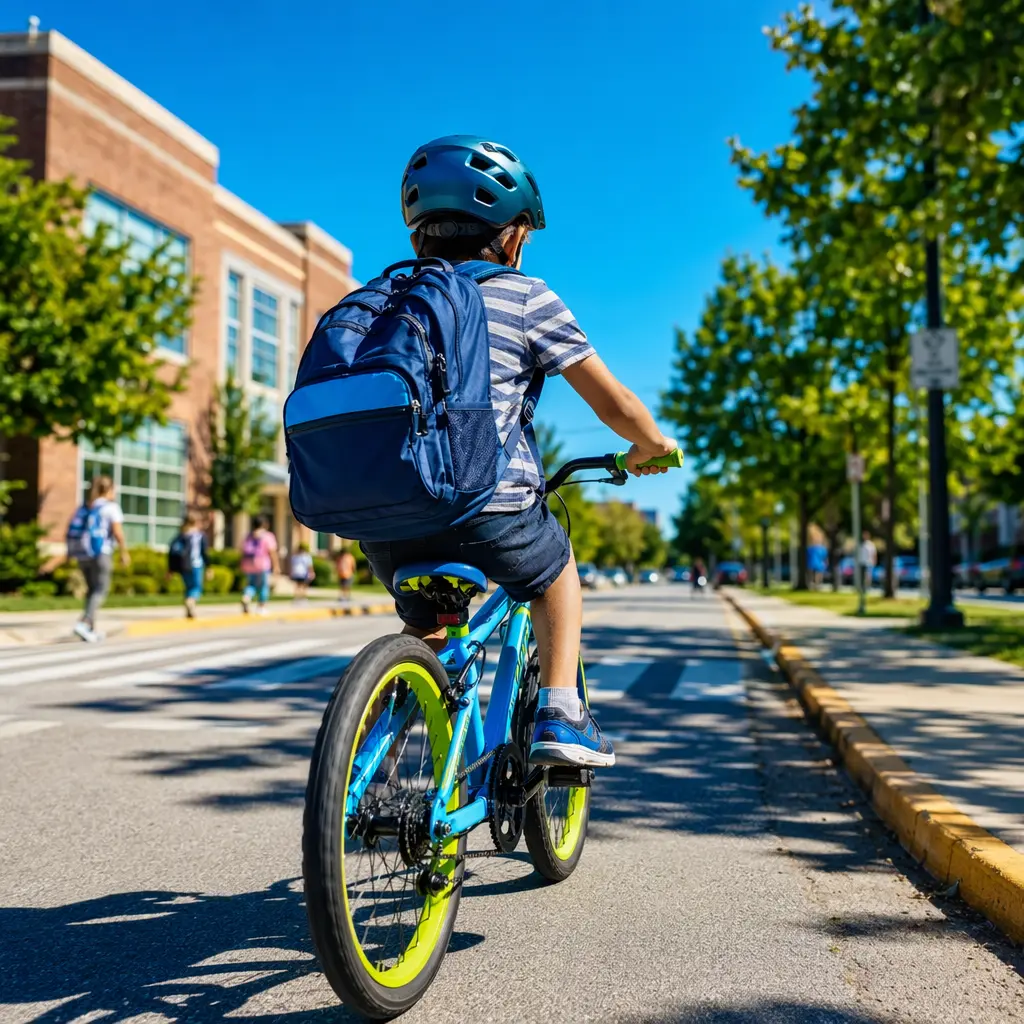
Daily school rides put different demands on a kids’ bike than weekend pootles. The bike needs to be light enough to handle kerbs and gates, easy to stop in traffic, and simple to pedal when legs are tired or the bag is heavy. Get those basics right and the school run becomes safer, quicker and far less stressful for both rider and parent.
What to look for
For everyday school use, practicality beats flashy features. These are the key areas that most affect how easy and confident a child feels on the ride.
- Weight: A lighter bike is easier to start, stop, carry and control. Heavy frames make hills and junctions harder, especially for smaller riders.
- Brakes: Good brakes build confidence. Rim brakes are common and fine if set up well; disc brakes offer stronger stopping but can add weight and cost.
- Gearing: Simple gearing helps with hills and headwinds. Many younger children do best with a single speed; older kids may benefit from a small range of easy gears.
- Frame material: Aluminium is light and rust-resistant. Steel can feel sturdy but is usually heavier for the same size.
- Geometry: An upright riding position improves visibility and control in traffic. Avoid overly stretched or race-style positions for school runs.
- Fit: Correct size matters more than any component. A bike that’s too big is harder to handle and stop safely.
- Included accessories: Mudguards, reflectors and a chain guard are very useful for everyday riding, keeping clothes clean and fingers safe.
Budget and what you're getting
Kids’ bikes cover a wide price range, but for school use you’re mainly paying for lower weight, better brakes and smoother controls. Budget options often work well but tend to be heavier, with basic components that need more frequent adjustment. Spending a bit more usually brings a lighter frame, better-quality tyres and brakes that need less hand strength. That said, children grow fast, so balance durability and value rather than chasing high-end parts that may only be used for a year or two.
Standout categories or types
Not all kids’ bikes suit daily school rides equally. Understanding the main types helps narrow the choice.
- Single-speed kids’ bikes: Light, low-maintenance and ideal for flatter routes. Fewer parts mean less to go wrong.
- Geared kids’ bikes: Useful for hilly areas or longer rides. Look for easy-to-use shifters and a limited gear range rather than lots of gears.
- Rigid vs front suspension: Rigid forks are lighter and more efficient on roads and paths. Front suspension adds weight and is rarely needed for school routes.
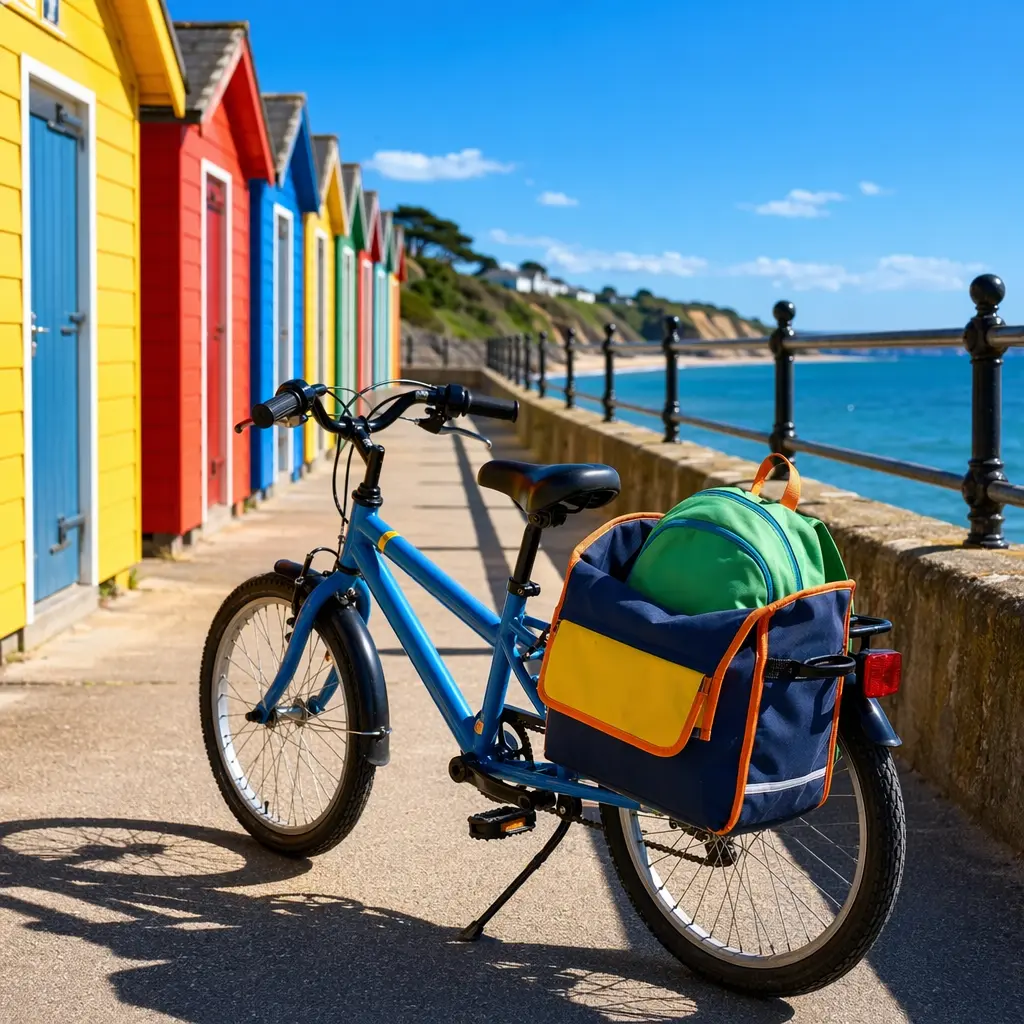
- Utility-focused designs: Bikes with mounts for mudguards and rear racks make everyday riding cleaner and more practical.
Frequently asked questions
How important is bike weight for kids?
Very important. Children have less strength relative to their body weight, so even a kilo makes a noticeable difference. A lighter bike is easier to balance, accelerate and manoeuvre around traffic and obstacles.
Are disc brakes better for school riding?
Disc brakes offer strong stopping power in wet weather, but well-set-up rim brakes are perfectly adequate for most school routes. The key is that the levers are easy to pull with small hands.
Should a school bike have gears?
It depends on the route. Flat, short rides often suit single-speed bikes. If there are hills or longer distances, a few easy gears can make the ride far more comfortable.
Do accessories matter?
Yes. Mudguards keep uniforms clean, reflectors improve visibility, and a chain guard protects clothing. These details make daily riding more practical and enjoyable.
Choosing a kids’ bike for daily school rides is about making riding simple and stress-free. Prioritise fit, low weight and easy-to-use brakes and gears, and you’ll end up with a bike that encourages regular riding rather than one that gathers dust in the shed.
Find these on Amazon
As an Amazon Associate, CheapBikes earns from qualifying purchases.