Best kids’ bikes for riding to school under £400
A value-focused guide to kids’ bikes under £400 for the school run. Learn what weight, brakes and gearing matter most for safer, easier daily rides.
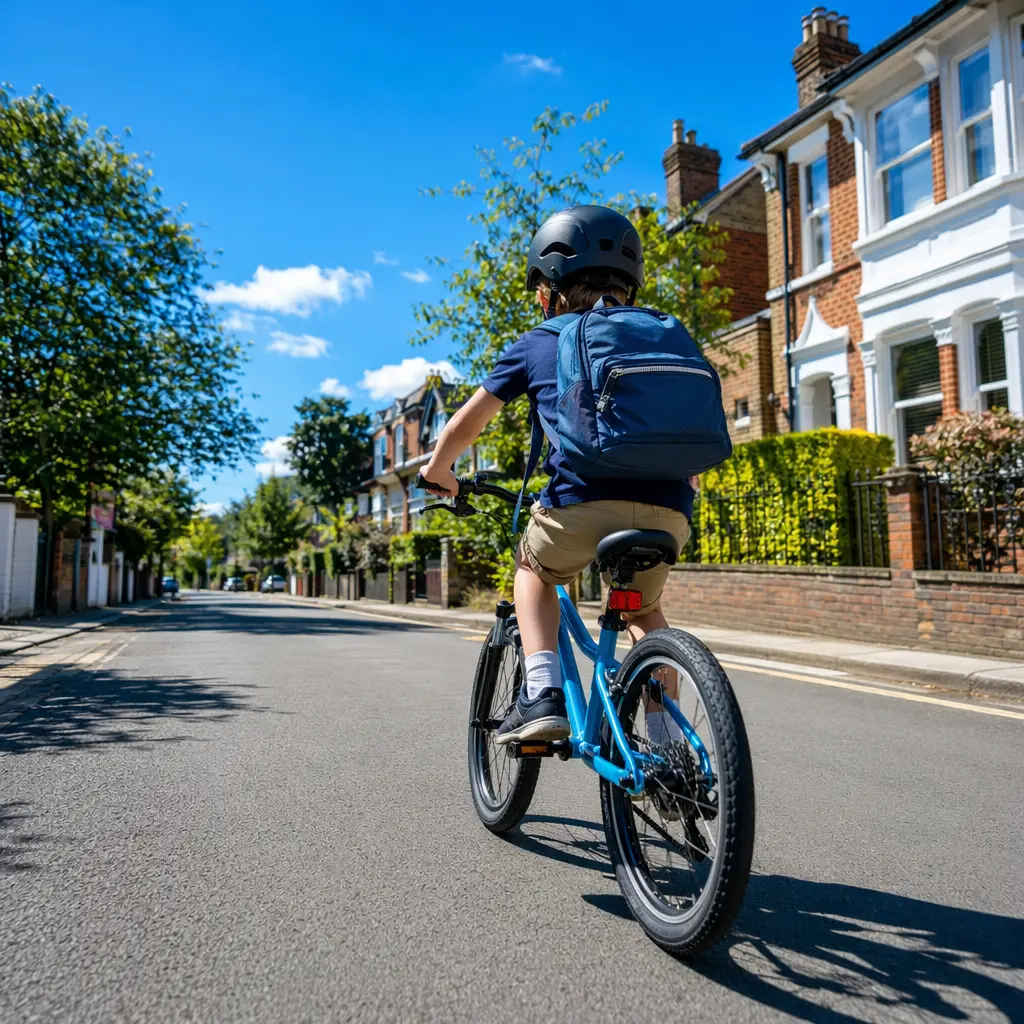
A good school bike needs to be easy to ride every morning, predictable in traffic, and tough enough to handle locks, racks and the odd knock. With a budget under £400, parents are choosing between lighter frames and better components, while kids want something that feels quick and confident. This guide focuses on weight, brakes and gearing — the things that most affect daily rides to school — without chasing unnecessary extras.
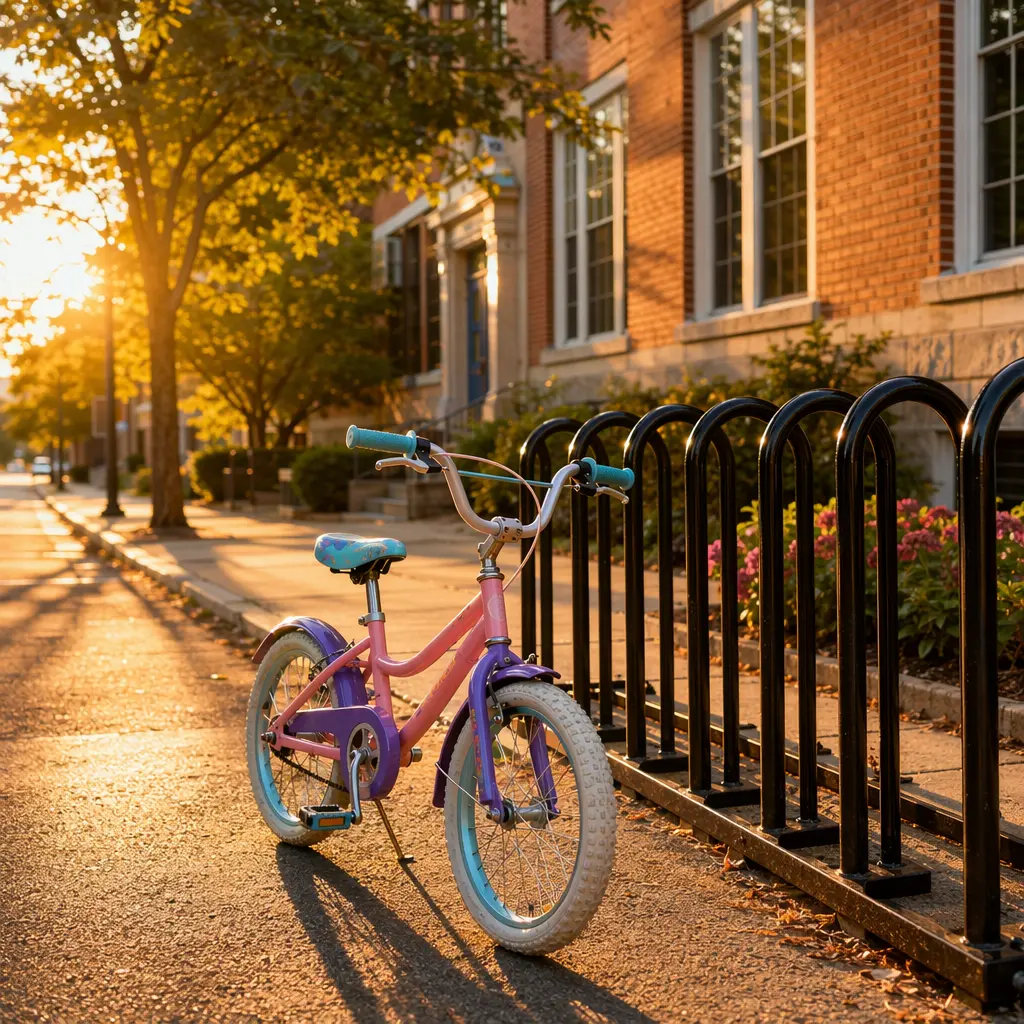
What to look for
Under £400, the best kids’ school bikes prioritise simplicity and low weight. These features make starts, stops and hills easier, and reduce the chance of mechanical issues during the week.
- Weight: Lighter bikes are easier to control, carry up steps and accelerate away from junctions. Alloy frames usually weigh less than steel at this price.
- Brakes: Rim brakes are lighter and cheaper, while mechanical disc brakes offer stronger wet-weather performance but add weight. Either can be fine if set up properly.
- Gearing: Fewer gears mean less to maintain. Flat routes suit single-speed or hub gears; hillier areas benefit from a small-range derailleur setup.
- Frame material: Aluminium is common and keeps weight down; steel can be tougher but usually heavier.
- Geometry: An upright position improves visibility and confidence in traffic, especially for younger riders.
- Fit: Correct wheel size and frame reach matter more than brand. A bike that’s too big is harder to control.
- Included accessories: Mudguards and a chainguard are useful for school uniforms, but extras add weight and cost.
Budget and what you’re getting
In the £300–£400 range, you’re paying for a lighter frame, better brakes and smoother-running components than entry-level kids’ bikes. You won’t get ultra-light race parts or hydraulic brakes, but you should expect dependable shifting, wheels that stay true, and finishing kit that copes with daily use. Saving money often means extra weight or fewer gears; spending closer to £400 usually buys a bike that feels noticeably easier for a child to ride every day.
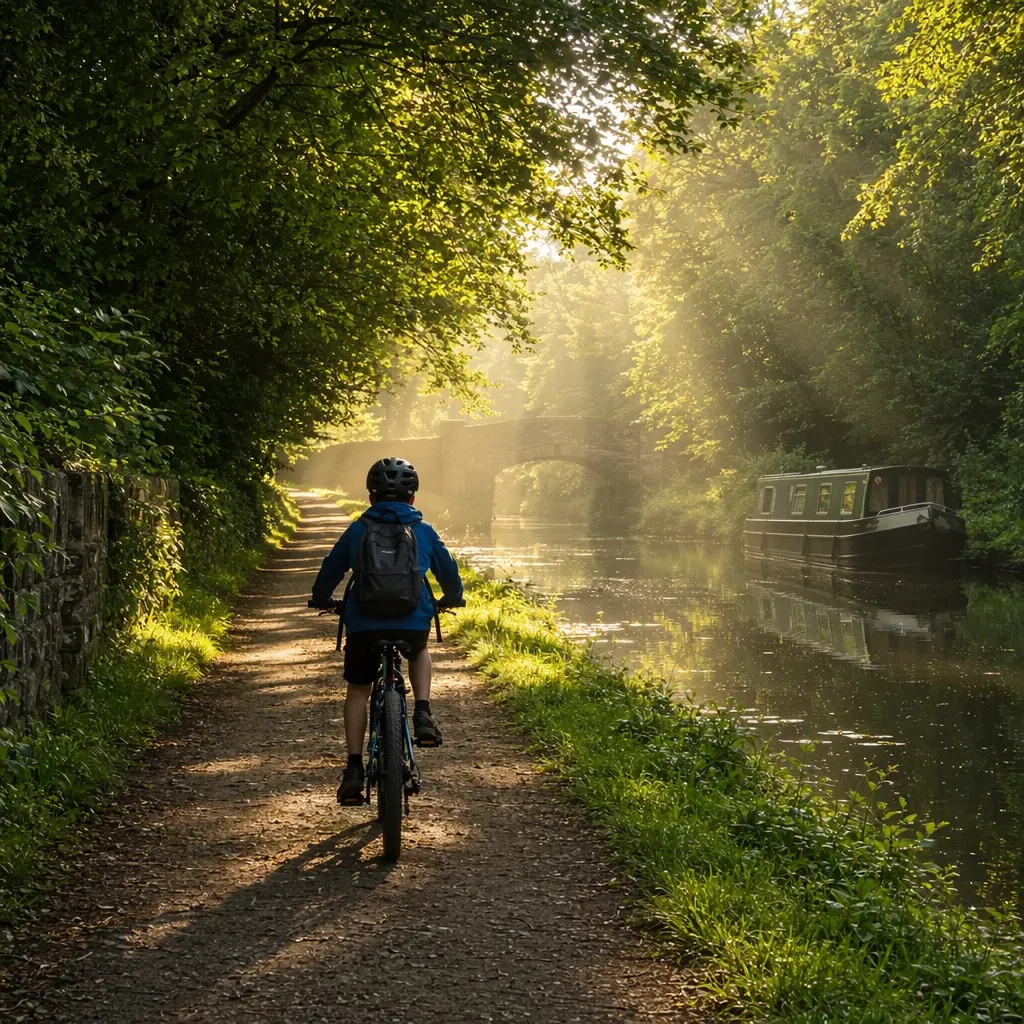
Standout categories or types
Most school bikes fall into a few clear categories, each with pros and cons depending on your route and storage.
- Rigid urban bikes: No suspension keeps weight down and maintenance simple. Best for paved routes and cycle paths.
- Front-suspension kids’ bikes: Offer comfort on rough surfaces but add weight and complexity. Often unnecessary for school commutes.
- Single-speed or hub-gear bikes: Clean-looking and low maintenance, ideal for flat towns and cities.
- Multi-gear bikes: Better for hilly routes, but need occasional adjustment to keep shifting smooth.
Frequently asked questions
Are disc brakes safer for kids?
Disc brakes can offer more consistent stopping in the rain, but they add weight. Well-set-up rim brakes are still safe and easier for smaller hands to control.
How many gears does a school bike need?
For flat routes, one to three gears are often enough. In hilly areas, a wider range helps reduce strain and makes riding more enjoyable.
Should a school bike come with mudguards?
Mudguards help keep uniforms clean in wet weather. If they’re not included, check the frame has mounts so you can add them later.
Is lighter always better?
Lighter bikes are easier to ride, but durability matters too. Aim for the lightest bike that still feels solid and stable.
A well-chosen kids’ bike under £400 can make the school run safer, quicker and more enjoyable. Focus on fit first, then weight, brakes and sensible gearing. Avoid unnecessary extras, and you’ll end up with a bike that works reliably every weekday — and still feels fun at the weekend.
Find these on Amazon
As an Amazon Associate, CheapBikes earns from qualifying purchases.