Best Kids’ Bikes Under £350 for Confident Riding
A practical guide to kids’ bikes under £350, covering sizing, lightweight frames, brakes and features that help children build confidence and ride safely.
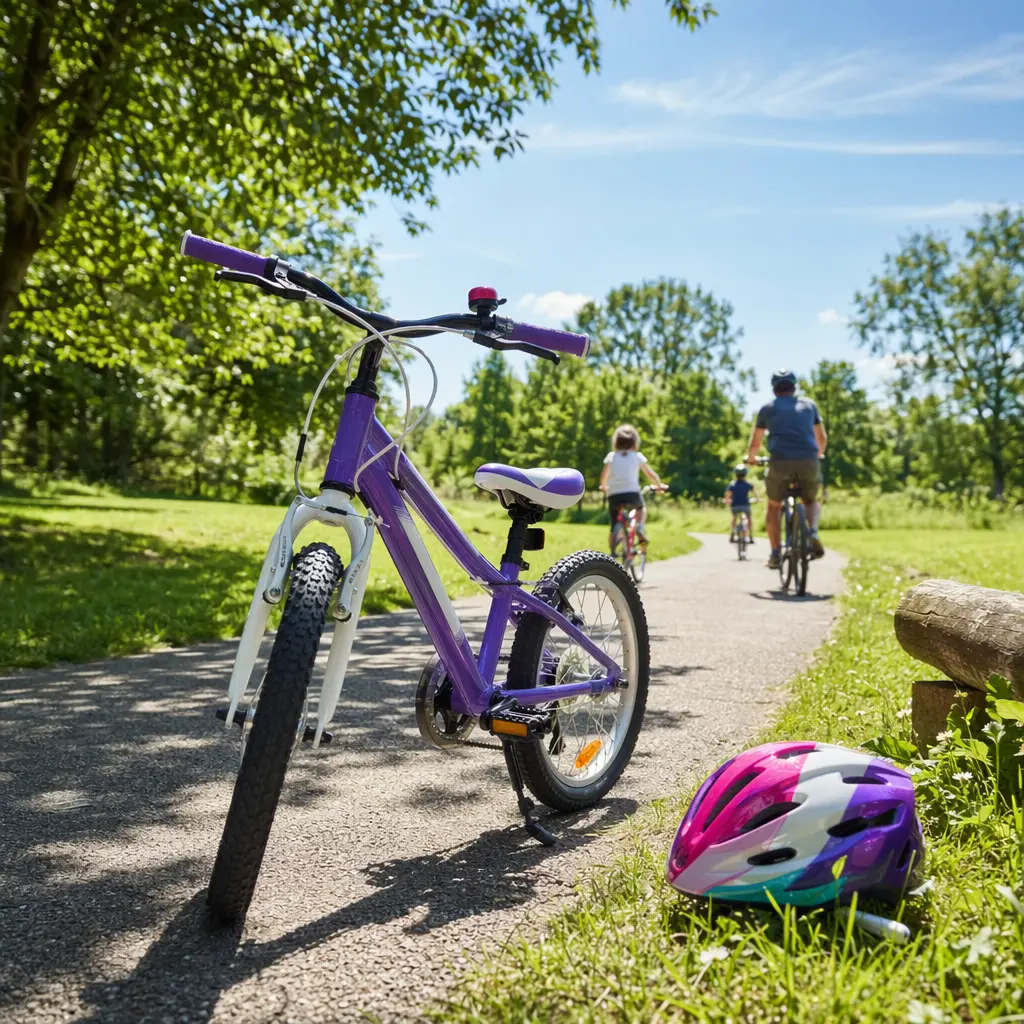
Finding a good kids’ bike under £350 can make a bigger difference than many parents expect. A bike that fits properly, feels light enough to handle and uses child-friendly controls can help younger riders build confidence far more quickly than a heavy, awkward model. At this budget, there are solid options for first pedal bikes through to larger bikes for school runs, family rides and weekend trails, but it helps to focus on the features that genuinely improve comfort and control rather than decorative extras.
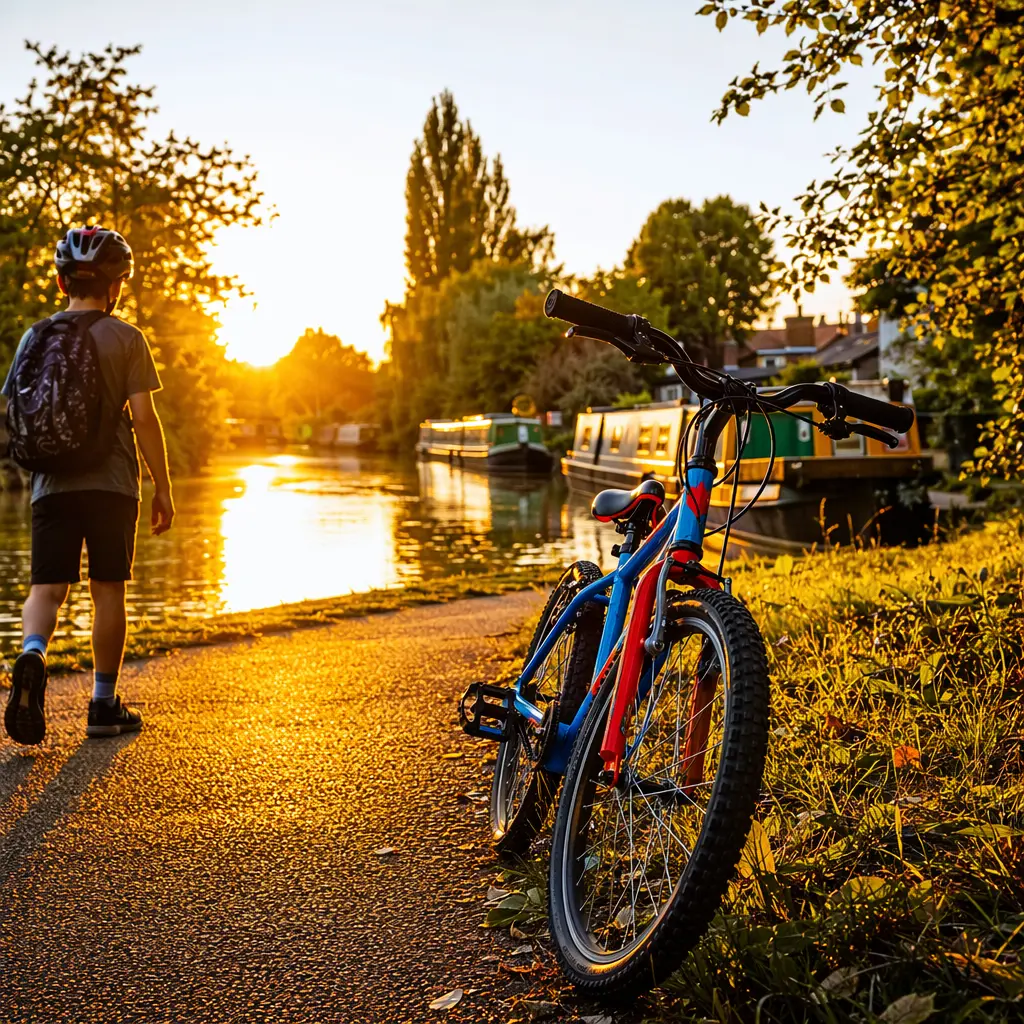
What to look for
Weight is often the most important factor in a children’s bike. Many cheaper bikes are surprisingly heavy, which makes starting, stopping and climbing hills harder for younger riders. A lightweight aluminium frame is common in this price range and usually offers the best balance between durability and manageable weight. Simple gearing also matters. Younger children often benefit from single-speed bikes because there is less to think about, while older children riding mixed terrain may appreciate a small range of easy-to-use gears.
- Choose wheel size based on height and inside leg measurement rather than age alone
- Lightweight alloy frames are usually easier for children to control
- Single-speed setups suit beginners, while older riders may benefit from 6- to 9-speed gearing
- Short-reach brake levers are easier for smaller hands to use safely
- Mechanical disc brakes offer strong stopping power, but quality rim brakes can still work well at this budget
- Relaxed geometry helps children feel stable and upright rather than stretched out
- Check overall bike weight carefully before buying online
- Mudguards, kickstands and pannier compatibility can be useful for school or family riding
Budget and what you're getting
Between £300 and £350, the overall quality of kids’ bikes improves noticeably compared with many supermarket or toy-shop models. Frames are often lighter, tyres roll more efficiently and components are designed more thoughtfully for younger riders. That said, there are still compromises. Suspension forks on cheaper bikes can add unnecessary weight and may not perform especially well, so a rigid fork is often the better choice for general riding. Higher-end hydraulic brakes, ultra-light components and premium drivetrains are usually reserved for more expensive models, but many bikes in this price range still provide dependable everyday performance and a much easier riding experience for children learning new skills.
Standout categories or types
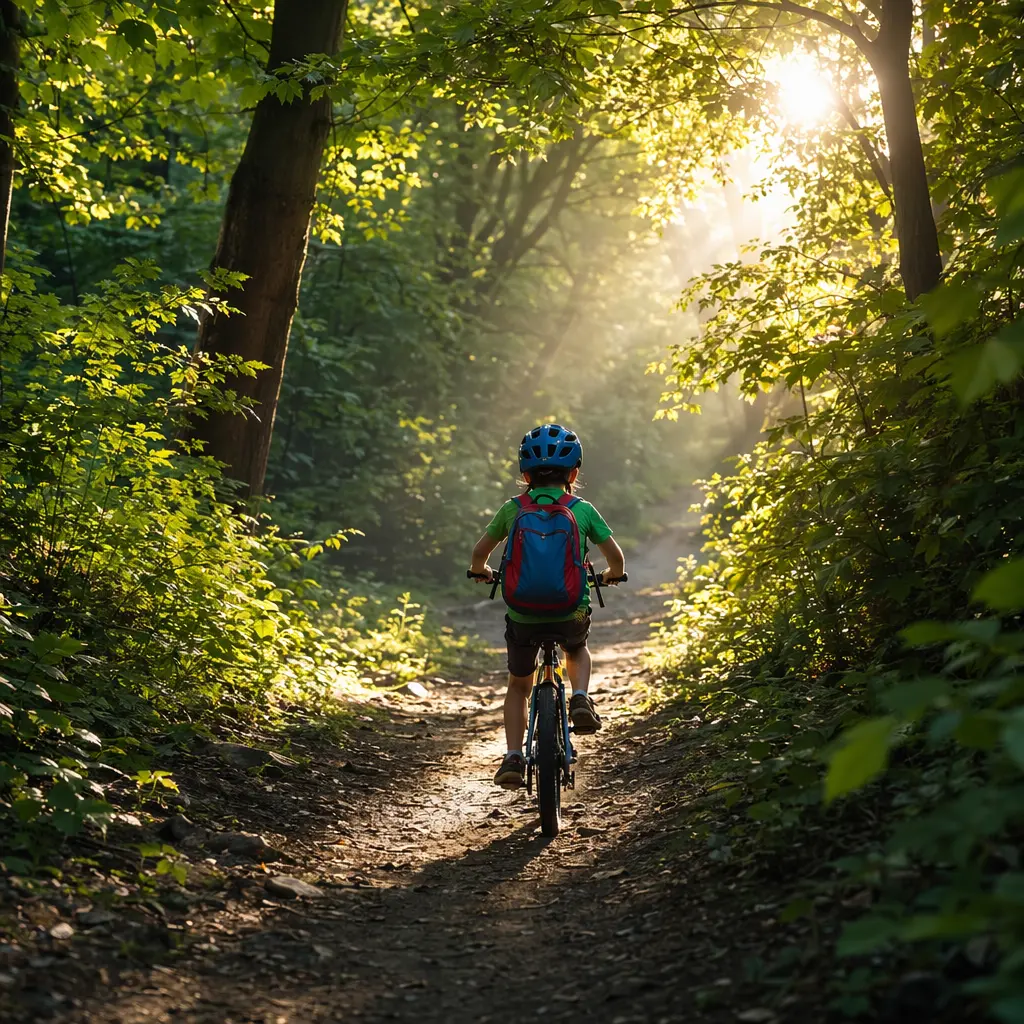
Balance bikes remain one of the strongest options for very young riders because they teach steering and balance naturally before pedals are introduced. Many children who start on balance bikes progress to pedal bikes more smoothly and with greater confidence. Lightweight pedal bikes with rigid forks are usually the next step and work well for pavements, parks and cycle paths.
For older children, hybrid-style bikes are often more versatile than mountain-bike-inspired designs. Hybrids typically use smoother tyres, lighter frames and more comfortable riding positions that suit family rides, school journeys and towpaths. Mountain-style bikes with suspension can look appealing, but at this budget the extra weight can make riding harder unless the child regularly rides rough off-road trails.
- Balance bikes for early confidence and coordination
- Rigid-fork pedal bikes for lighter handling and easier learning
- Hybrid-style bikes for mixed family riding and school use
- Mountain-style bikes for rougher terrain, though often heavier at this price
- Larger wheel bikes for older children transitioning towards adult-sized models
Frequently asked questions
What size kids’ bike should I buy?
Wheel size should match the child’s height and inside leg rather than their age alone. Most retailers provide size charts, and it is worth checking them carefully because sizing varies between brands and bike styles.
Are disc brakes necessary on kids’ bikes?
Not always. Good-quality rim brakes are lighter and simpler, and they work well for many younger riders. Mechanical disc brakes can offer stronger stopping power in wet weather, but the overall brake setup and lever reach matter more than the brake type alone.
Is suspension worth having?
For most children riding on roads, parks and cycle paths, a rigid fork is usually the better option under £350. It reduces weight and often improves steering feel. Suspension becomes more useful for regular rough off-road riding.
How important is bike weight?
Very important. A heavy bike can make pedalling, turning and stopping much harder for children. Lighter bikes are generally easier to handle and can help younger riders gain confidence more quickly.
Can a child grow into a slightly larger bike?
A slightly roomier fit can work, but a bike that is too large may feel intimidating and harder to control. Prioritising a proper fit usually leads to faster skill development and safer riding.
A well-chosen kids’ bike under £350 can support years of confident riding, whether that means learning to pedal independently, joining family rides or cycling to school. Focusing on fit, manageable weight and simple, dependable components usually delivers better long-term value than choosing the most aggressive styling or the longest feature list.
Find these on Amazon
As an Amazon Associate, CheapBikes earns from qualifying purchases.