£180 vs £300 kids bikes: where safety and weight really change
At £180 and £300, kids’ bikes can look similar. The real differences are weight, brakes and fit — and those matter more than extra gears. Here’s what actually improves safety as prices rise.
Parents shopping for a kids’ bike often face a familiar choice: spend around £180 on a basic option, or stretch to £300 for something lighter and better equipped. On paper, both may promise gears, brakes and a tough frame. In practice, the gap is less about features and more about how safely and comfortably a child can control the bike. Weight and brakes — not gear count — are where the real changes happen.
What you actually get at this price
At around £180, kids’ bikes are built to hit a price point. Frames are usually steel, components are basic, and weight creeps up quickly. At £300, manufacturers have more room to prioritise lighter materials and better braking — changes that are immediately noticeable to smaller riders.
The difference is not cosmetic. A lighter bike is easier to start, stop and steer. Better brakes reduce hand effort and shorten stopping distances. Extra gears, meanwhile, often add complexity without much benefit for younger or less confident riders.
- Frame material: steel at ~£180; aluminium more common at ~£300
- Weight: often 2–4kg heavier at the lower price point
- Brakes: basic rim brakes vs stronger, smoother V-brakes or entry-level discs
- Gearing: single-speed or basic 6–7 speed vs better-spaced, smoother shifting
- Extras: mudguards, chainguards and kickstands more likely at £180; lighter finishing kit at £300
How to choose
Start with fit and weight. A bike that is too heavy for a child’s size is harder to control and less fun to ride. As a rule, kids cope best when the bike weighs well under half their body weight. This is where £300 bikes earn their keep.
Next, think about how and where the bike will be used. For school runs and park paths, reliable brakes and predictable handling matter more than a wide gear range. Simpler setups often help children focus on balance and awareness, rather than fiddling with shifters.
What to look out for
- Excessive weight, especially from steel frames and heavy wheels
- Stiff brake levers that small hands struggle to pull
- Too many gears with poor-quality shifters
- Limited adjustability for saddle and handlebar height
- Cheap tyres with little grip in the wet
Worth spending more on
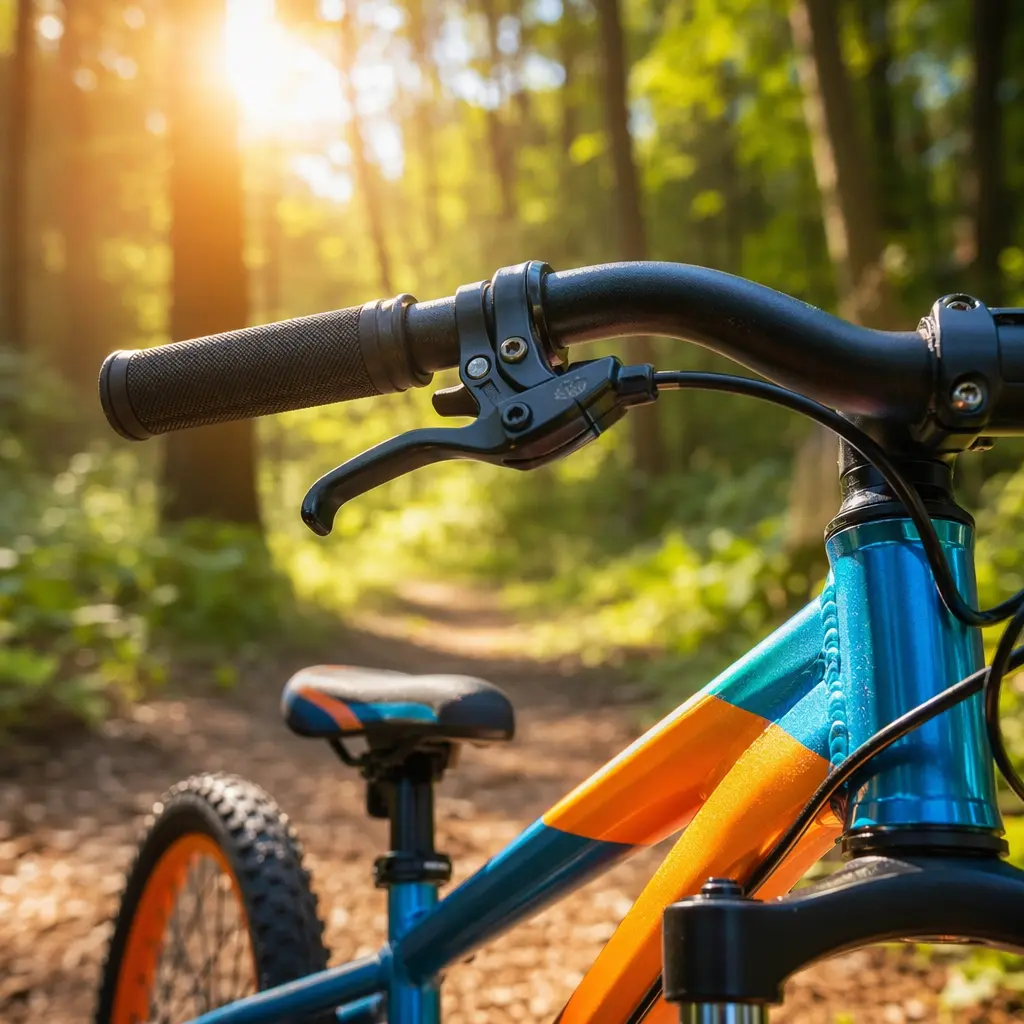
If the budget can stretch, prioritise lower weight and better brakes before anything else. These upgrades directly affect safety and confidence. A lighter bike is easier to control in traffic-free areas and less intimidating on gentle hills.
Beyond the bike itself, a good helmet, grippy tyres and a comfortable saddle can transform the experience. These are areas where modest spending brings clear benefits, regardless of whether the bike cost £180 or £300.
Frequently asked questions
Are disc brakes safer for kids?
They can be, but only if well set up. Entry-level disc brakes offer consistent stopping in the wet, but good-quality rim brakes with child-sized levers can be just as effective and easier to maintain.
Do kids really need gears?
For flatter areas and younger riders, no. Single-speed bikes are lighter and simpler. Gears become useful as distances increase or routes get hillier.
Is a heavier bike actually less safe?
Yes, indirectly. Heavier bikes are harder to stop and steer, especially in emergencies. This can reduce confidence and reaction time.
Is buying used a good idea?
Often, yes. A well-maintained second-hand £300 bike can outperform a brand-new £180 one — just check brakes, tyres and sizing carefully.
In short: when choosing between £180 and £300 kids’ bikes, weight and braking quality are where the extra money really goes — and where it matters most. Focus on those, and the right bike will make riding safer and more enjoyable.
Find these on Amazon
As an Amazon Associate, CheapBikes earns from qualifying purchases.