Is a gravel bike worth it for mixed tarmac and canal paths?
Gravel bike or flat-bar bike with suspension? For UK riding that mixes roads and canal paths, wider tyres can beat budget forks. Here’s how to decide what’s best for comfort, speed and value.

For UK riders mixing tarmac roads with canal paths, towpaths and the odd gravelly shortcut, the big question is whether a gravel bike actually makes sense — or whether a flat‑bar bike with suspension would be more comfortable. On paper, suspension sounds reassuring. In practice, wider tyres often deliver more comfort, control and speed for the money. This guide explains where gravel bikes shine, where they don’t, and when tyres beat forks on real‑world British surfaces.
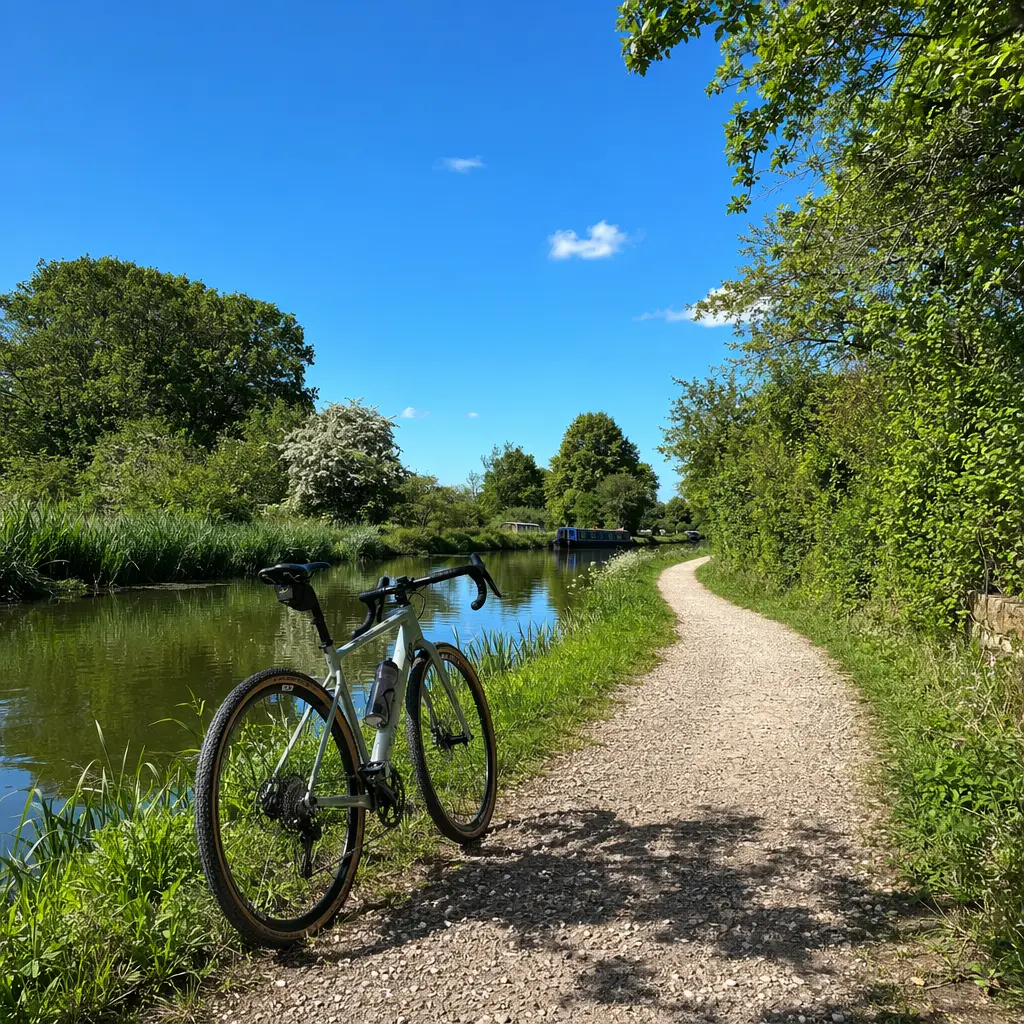
What you actually get at this price
At entry to mid‑level prices, gravel bikes are essentially road bikes adapted for rougher surfaces. The focus is on simplicity, tyre clearance and versatility rather than complex suspension systems. That matters, because budget suspension forks often add weight and sap efficiency without offering much real bump absorption.
A typical affordable gravel bike prioritises frame clearance and stable geometry, letting the tyres do most of the comfort work. On canal paths — which are usually hard‑packed with loose gravel and root ripples — this approach works surprisingly well.
- Frame material: aluminium frames are most common, sometimes with a carbon or alloy fork to reduce vibration
- Tyres: usually 35–45mm wide, often tubeless‑ready for lower pressures and fewer pinch punctures
- Gearing: wide‑range gearing designed to cope with loaded riding and rough surfaces, rather than high top speed
- Brakes: mechanical or entry‑level hydraulic disc brakes for consistent stopping in wet conditions
- Mounts: eyelets for mudguards, racks and multiple bottle cages are common
- Bars: drop handlebars with flared drops for extra control off‑road
How to choose
The key decision is how rough your riding really is. UK canal paths are rarely technical. They’re bumpy, sometimes muddy, and often interrupted by gates and kerbs — but they’re not mountain bike trails. A gravel bike’s longer wheelbase and relaxed geometry help it track straight on loose surfaces while still feeling efficient on the road.
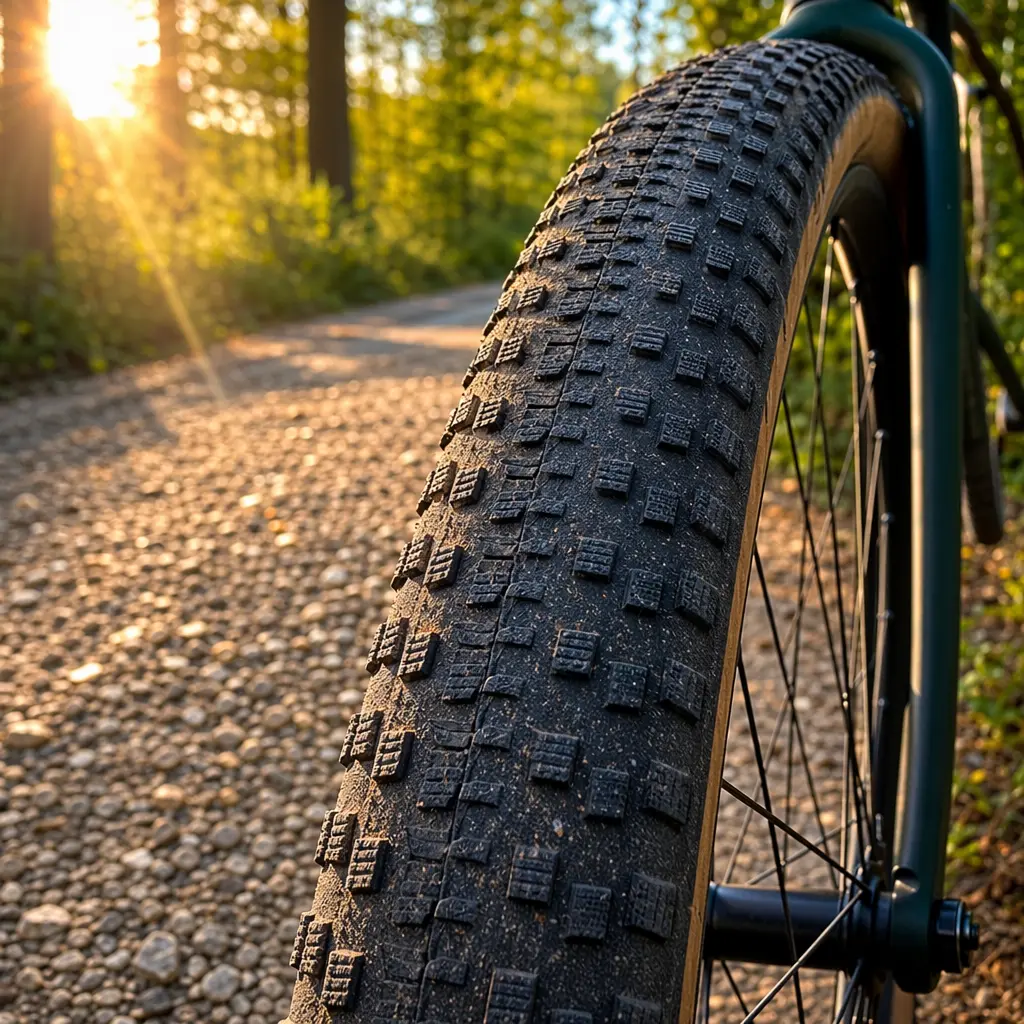
Tyre width is more important than suspension travel here. Running 38–42mm tyres at lower pressure smooths out chatter from gravel and cracked tarmac, while maintaining momentum. Compared with a cheap suspension fork, wider tyres add comfort without the weight penalty or energy loss when pedalling on the road. Fit still matters: sizing correctly and choosing a frame with a slightly taller front end can make long mixed‑surface rides far more comfortable.
What to look out for
- Overly narrow tyres that limit comfort on towpaths and rough lanes
- Very aggressive, race‑style geometry that puts too much weight on the hands
- Basic mechanical disc brakes that need frequent adjustment
- Heavy wheels that blunt acceleration on the road
- Lack of mudguard mounts, which is a problem for year‑round UK riding
Worth spending more on
If there’s room in the budget, tyres are the first upgrade that genuinely transforms a gravel bike. Supple, puncture‑resistant tyres with a fast‑rolling centre tread make canal paths quieter and smoother while still rolling well on tarmac. Tubeless setups, while not essential, allow lower pressures and fewer pinch flats.
Comfort upgrades matter more than extra gears. A decent saddle, padded bar tape and properly fitted mudguards can turn an occasional mixed‑surface ride into a reliable daily commute. A good lock and bright lights are also non‑negotiable if canal paths form part of an urban route.
Frequently asked questions
Is a gravel bike faster than a hybrid on canal paths?
Usually, yes. Gravel bikes tend to be lighter and more efficient, especially on smoother sections. Wider tyres reduce vibration losses, while rigid forks avoid the energy loss common with cheap suspension.
Do I need suspension for canal towpaths?
For most UK canal paths, no. The surfaces are uneven rather than technical. Tyres at the right pressure absorb most of the bumps, making suspension unnecessary for many riders.
Are drop bars awkward in traffic?
They can feel unfamiliar at first, but modern gravel bars offer multiple hand positions and good control. For long mixed rides, the ability to change hand position often outweighs the learning curve.
Can a gravel bike replace a commuter bike?
Yes, if it has mounts for mudguards and a rack. Many riders use gravel bikes as all‑rounders, handling commuting, weekend rides and light touring with one setup.
For mixed tarmac and canal paths, a gravel bike is often worth it — not because it’s trendy, but because wider tyres and simple design usually beat budget suspension for comfort, speed and value on real UK surfaces.
Find these on Amazon
As an Amazon Associate, CheapBikes earns from qualifying purchases.