£500 vs £1,000 e‑bikes: what really improves on short commutes?
On short, everyday rides, a £1,000 e‑bike doesn’t double the distance — it improves how the bike feels. This guide explains where the extra money goes, and which upgrades matter most for UK commuters.
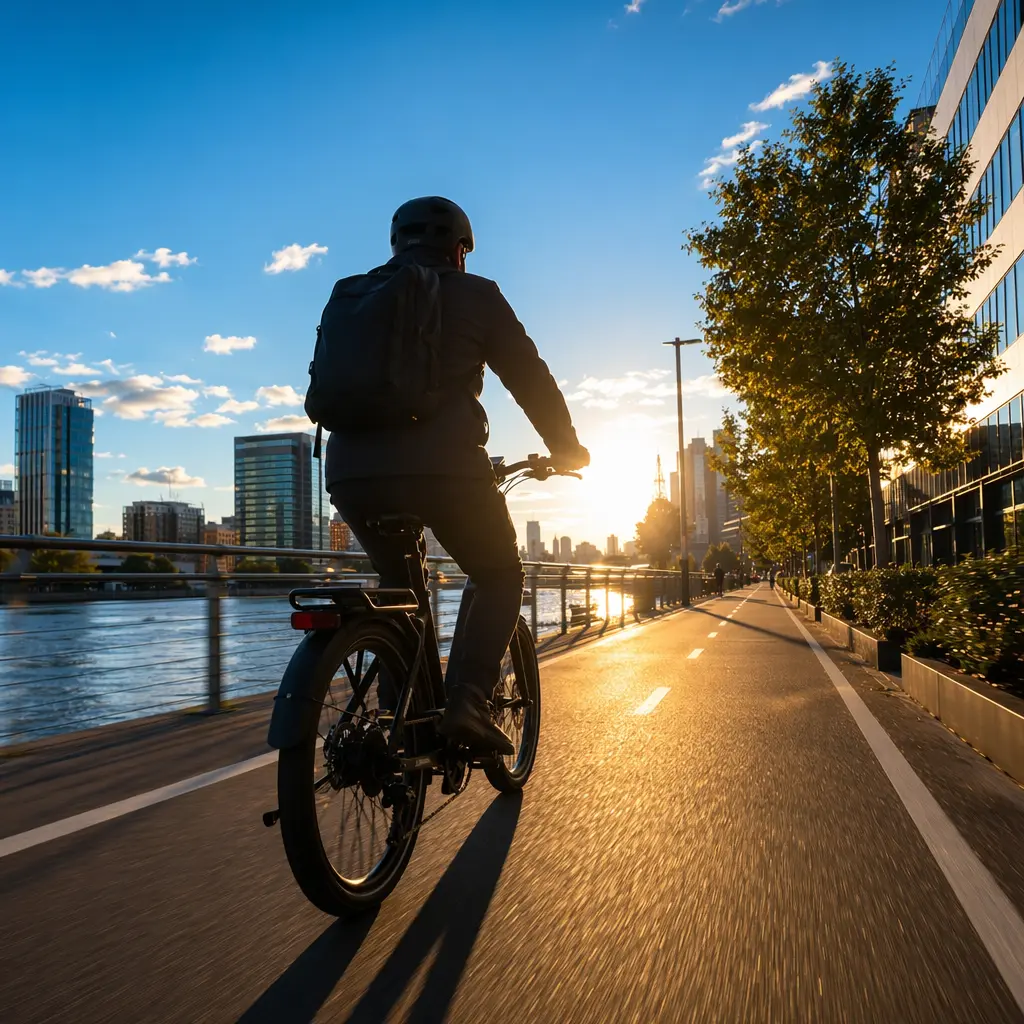
E‑bikes at £500 and £1,000 often promise similar headline ranges and speeds, which can make the jump look pointless — especially for short UK commutes of two to six miles. But the real differences are less about miles and more about how smoothly, quietly and reliably the bike helps you get to work without fuss.
What you actually get at this price
At around £500, most e‑bikes focus on ticking legal boxes: pedal assist, a quoted range that looks competitive, and basic commuter practicality. At £1,000, the priorities shift towards ride quality, durability and components that feel less strained by daily use.
On short commutes, you’re unlikely to drain even a modest battery. What you will notice is how power comes in, how predictable the bike feels in traffic, and whether it still works smoothly after a wet winter.
- Motor: £500 bikes usually use basic rear hub motors with abrupt power delivery; £1,000 bikes tend to have better-tuned hub motors with smoother engagement.
- Battery: cheaper packs often use lower-grade cells and simpler management systems; pricier bikes typically hold charge better over time and cope with cold weather more reliably.
- Frame: entry-level aluminium with limited finishing versus stiffer, better-aligned frames that track straighter under load.
- Brakes: mechanical discs or V-brakes at £500; stronger mechanical discs or entry-level hydraulics closer to £1,000.
- Drivetrain: basic 6–7 speed freewheels compared with wider-range 8–9 speed setups that handle hills more calmly.
- Extras: lights and racks are often bundled at £500 but can be flimsy; £1,000 bikes may include fewer extras but of higher quality.
How to choose
For short commutes, ignore the biggest range number on the box. Focus instead on how the assist feels when pulling away from junctions, easing off near kerbs, or riding slowly in traffic. Smooth power delivery reduces fatigue and makes the bike feel safer.
Fit and geometry also matter more than price. A comfortable, upright position with easy reach to the bars can make a cheaper bike more usable than a pricier one that doesn’t suit your body or route.
What to look out for
- Overstated range claims based on the lowest assist mode.
- Very heavy frames and wheels that make the bike awkward to carry or pedal unassisted.
- Basic cadence sensors that deliver power in an on/off surge.
- Poor-quality batteries with vague warranties or limited replacement options.
- Lack of mounting points for proper mudguards or a pannier rack.
- Weak brakes that struggle in the wet.
Worth spending more on
If the bike itself is at the cheaper end, spending wisely on a few upgrades can transform the commute. Tyres with better puncture protection reduce roadside delays, while a comfortable saddle makes short daily rides far more pleasant.
Security and visibility are also critical. A solid lock and dependable lights often deliver more real-world value than a slightly bigger battery you’ll rarely use.
Frequently asked questions
Will a £1,000 e‑bike get me to work faster?
Not usually. Both price points are limited to the same assisted speed. The difference is how calmly and confidently the bike reaches that speed.
Is battery range irrelevant for short commutes?
Range still matters, but longevity matters more. Better batteries lose capacity more slowly and perform better in cold UK winters.
Are cheaper e‑bikes less reliable?
They can be perfectly serviceable, but components are closer to their limits. Expect more frequent adjustments and earlier replacements.
Is buying used a good option?
Used can offer strong value, but battery condition is crucial. Always check remaining capacity and replacement costs.
For short commutes, £1,000 doesn’t buy more distance — it buys a calmer, more dependable ride. Decide whether smoother assistance and better durability are worth the extra spend, then choose the bike that fits your route and routine.
Find these on Amazon
As an Amazon Associate, CheapBikes earns from qualifying purchases.