When Does Spending Over £2,000 on a Bike Make Sense?
A value-led guide to who really benefits from £2,000+ bikes, what you gain from premium components, and when a cheaper option will do the job just as well.
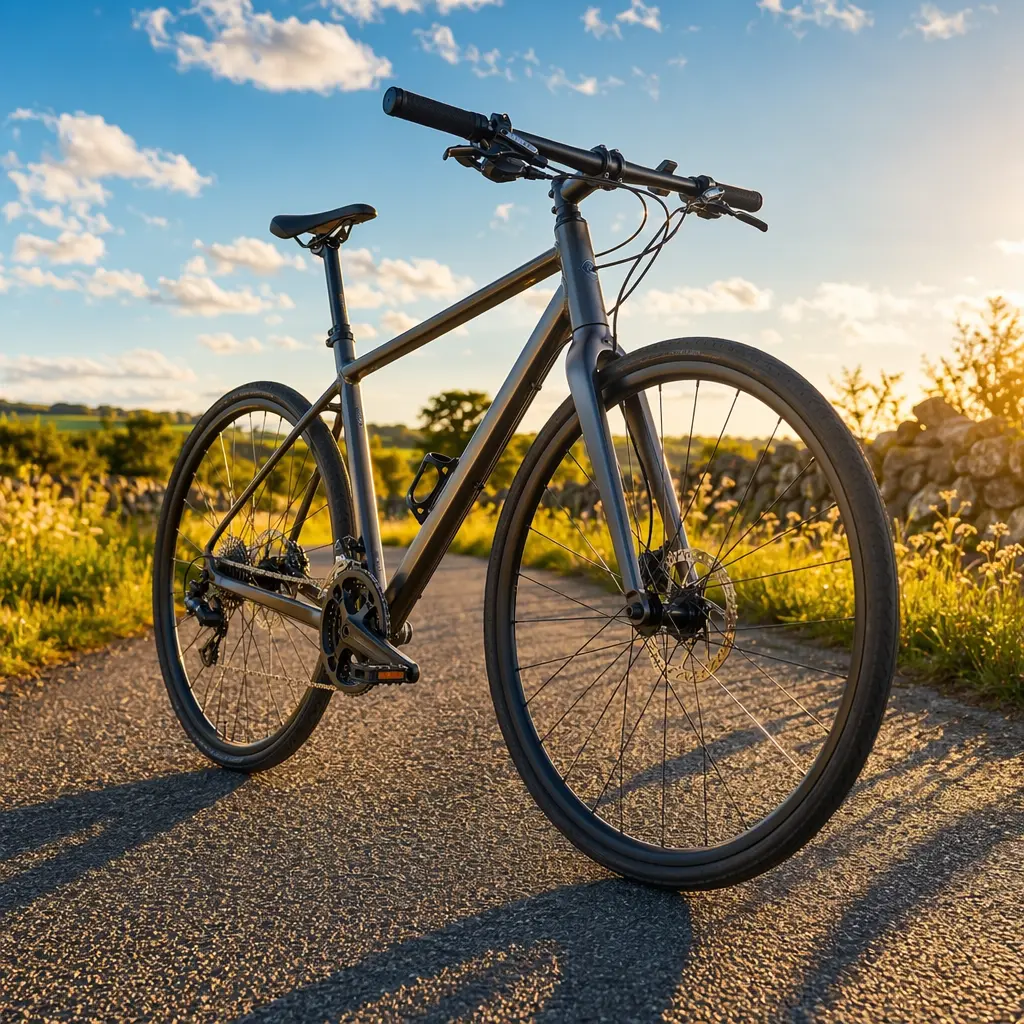
For many UK cyclists, £400–£800 buys a perfectly usable bike. So when prices climb past £2,000, it’s reasonable to ask what you’re actually paying for — and whether it makes sense for your riding. This guide looks at who genuinely benefits from premium bikes, and when that money may be better spent elsewhere.
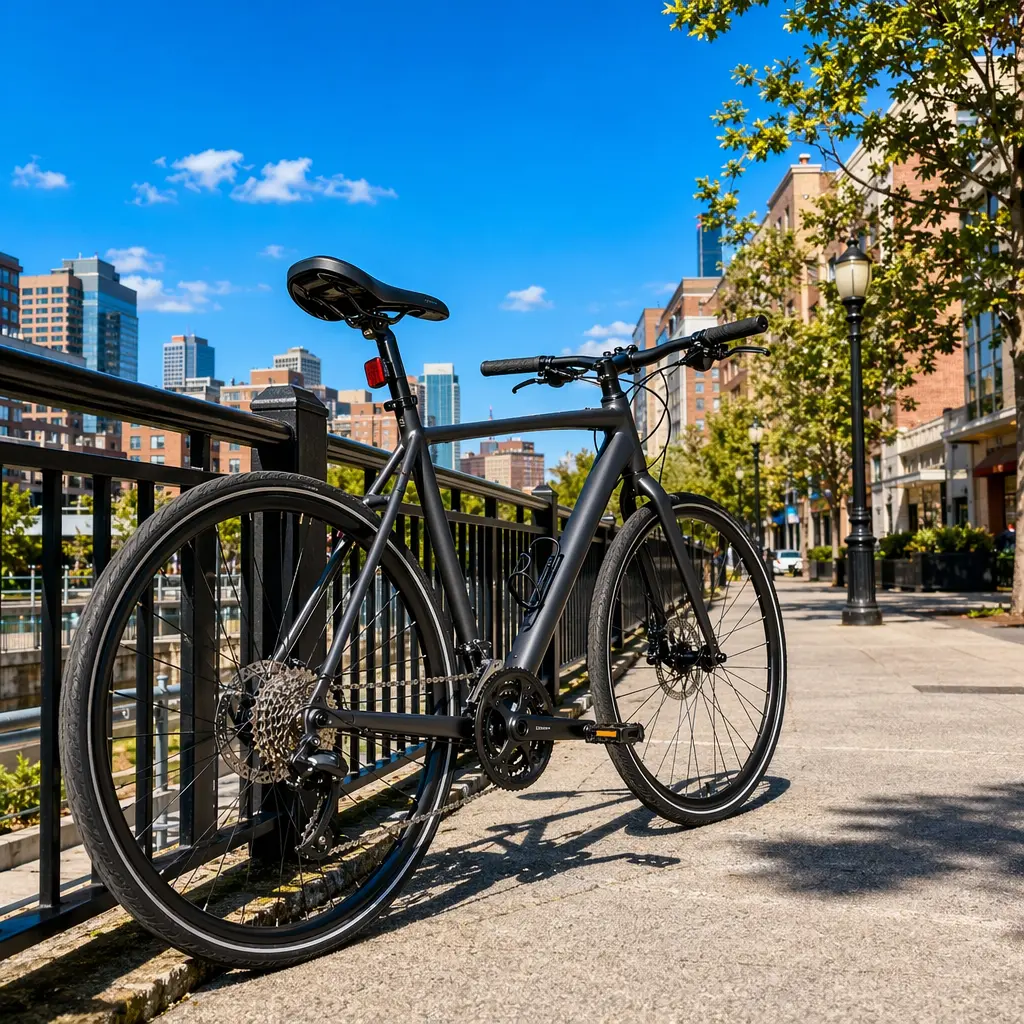
What to look for
Once you pass the £2,000 mark, bikes stop being about basic function and start focusing on refinement. The differences aren’t always obvious at first glance, but they add up over time, especially if you ride often.
- Gearing: Wider gear ranges, smoother shifting and higher-quality internal or external systems designed to last with less adjustment.
- Frame material: Lighter, more complex aluminium shaping, or carbon frames tuned for comfort as well as stiffness.
- Brake type: Consistently powerful hydraulic disc brakes with better modulation and less hand fatigue on long rides.
- Geometry: More carefully balanced handling, often offering stability at speed without feeling sluggish in traffic.
- Fit: Greater choice of frame sizes and finer tuning of contact points like bars and seatposts.
- Weight: Lower overall weight, which matters more if you lift the bike often or ride hilly routes.
- Included accessories: Higher-end bikes may still come bare, but when extras are included they tend to be sturdier and better integrated.
Budget and what you're getting
At £2,000+, you’re firmly into diminishing-returns territory. A bike at this level is not twice as “good” as a £1,000 one. Instead, you’re paying for lighter materials, tighter tolerances, longer service intervals and a more polished ride feel. For daily commuters covering short, flat distances, these gains may be barely noticeable. For riders clocking serious mileage, tackling rough surfaces, or carrying loads, they can make cycling more comfortable and reliable year after year.
Standout categories or types
In the hybrid and all-road space, premium bikes tend to fall into a few clear camps. Understanding these helps you decide whether the price aligns with how you ride.
- Fast commuters: Lightweight frames, road-style gearing and minimal extras. Ideal for long urban rides where efficiency matters more than carrying capacity.
- Comfort-focused hybrids: Carbon forks, flexible seatposts and wider tyres to smooth broken tarmac and towpaths.
- Load-capable tourers: Strong wheels, stable geometry and compatibility with racks, panniers and dynamo lighting for year-round use.
- Low-maintenance builds: Belt drives and internal hubs aimed at riders who value cleanliness and reliability over outright speed.
Frequently asked questions
Is a £2,000+ bike faster?
Not automatically. Fitness, tyres and riding position matter more than frame price. Premium bikes can feel more responsive, but the speed difference is often small for everyday riding.
Do premium components last longer?
Often, yes. Higher-end parts usually wear more slowly and hold adjustment better. However, replacement costs can also be higher, so longevity doesn’t always equal lower running costs.
Are expensive bikes better for commuting?
They can be, especially for long or hilly commutes. That said, theft risk and winter wear mean many commuters prefer something cheaper and more easily replaceable.
Should beginners spend this much?
Usually not. Most new riders are better off starting cheaper and upgrading later once they understand what features actually matter to them.
Spending over £2,000 on a bike makes sense when cycling is a core part of your life rather than an occasional activity. If you ride often, value low maintenance, or want a bike that feels refined rather than just functional, the extra spend can pay off. For everyone else, there’s excellent value to be found well below this price point.
Find these on Amazon
As an Amazon Associate, CheapBikes earns from qualifying purchases.