Hybrid bikes with upright geometry: comfort vs speed
A clear buyer’s guide to upright-geometry hybrid bikes, explaining comfort, speed trade-offs and which features matter so casual UK riders don’t overpay.
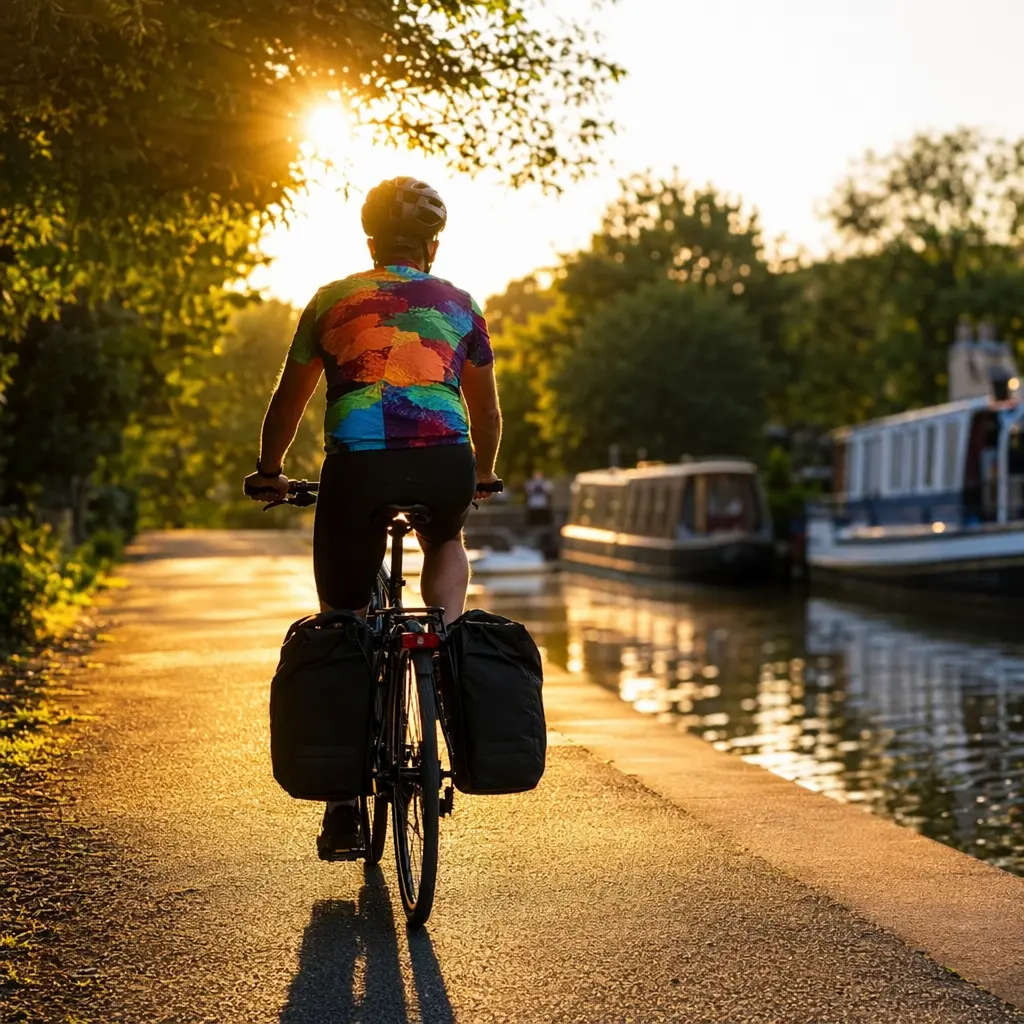
Many UK cyclists want a bike that feels comfortable and confidence‑inspiring rather than fast and racy. That’s where hybrid bikes with upright geometry come in. They promise an easy riding position for commuting, leisure rides and errands — but comfort can sometimes mean paying for features you don’t need. This guide explains the real comfort‑vs‑speed trade‑off, and how to choose a relaxed hybrid without overspending.
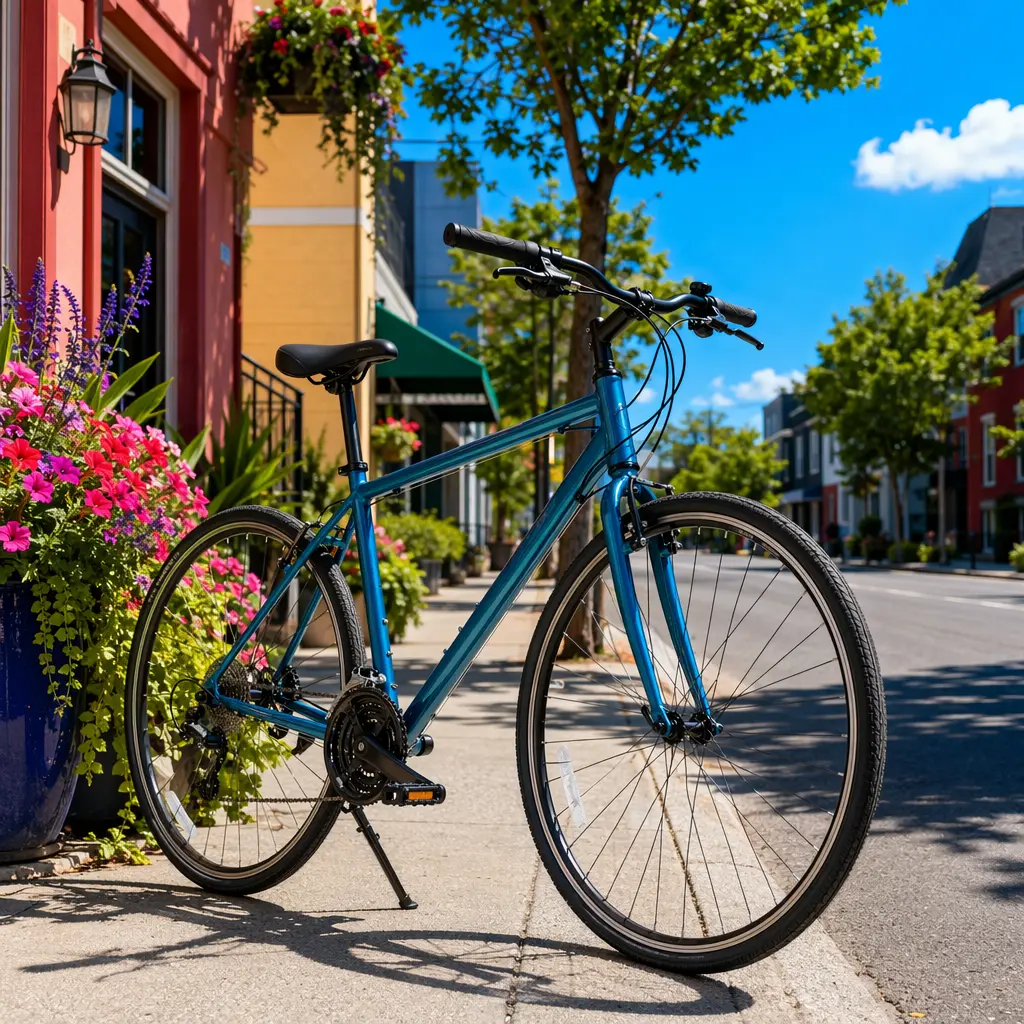
What to look for
Upright hybrids vary more than they first appear. Looking beyond the headline description helps you find a bike that’s genuinely comfortable, practical and good value.
- Gearing: Wide‑range gears are useful for hills and carrying panniers, but very high top gears add cost without helping relaxed riding.
- Frame material: Aluminium is light and common at this price point; steel can feel smoother over bumps but may weigh more.
- Brake type: Mechanical disc brakes offer reliable stopping in wet UK conditions; rim brakes are cheaper and simpler to maintain.
- Geometry: A shorter reach, taller head tube and swept‑back handlebars create the upright posture most casual riders want.
- Fit and sizing: Upright bikes still need correct sizing — too large and you’ll stretch, too small and handling suffers.
- Weight: Extra comfort features can add weight; for everyday riding, a slightly heavier but stable bike is usually fine.
- Included accessories: Mudguards, chain guards and rear racks add value if you plan to commute or shop by bike.
Budget and what you're getting
At entry and mid‑level prices, upright hybrid bikes focus on practicality rather than speed. You’re paying for a forgiving riding position, predictable handling and durability. Trade‑offs often include heavier frames, basic drivetrains and wheels, and fewer adjustment options. Spending more usually brings lighter components and smoother shifting, not a dramatic jump in comfort. For many riders, a sensibly priced hybrid delivers everything needed for day‑to‑day cycling without the diminishing returns of premium upgrades.

Standout categories or types
Not all upright hybrids are built the same. Understanding the main sub‑types helps you match the bike to how you’ll actually ride.
- Rigid hybrids: No suspension fork, lighter weight and more efficient on roads and cycle paths. Often the best value for everyday riding.
- Front‑suspension hybrids: Added comfort on rough paths and towpaths, but extra weight and cost with limited benefit on smooth surfaces.
- Step‑through frames: Lower top tube for easy mounting, popular for city use and riders prioritising convenience over stiffness.
- Comfort‑focused builds: Softer saddles, swept bars and suspension seatposts can feel plush, but some features can be upgraded later for less money.
Frequently asked questions
Are upright hybrid bikes slow?
They’re slower than flat‑bar road or fitness bikes, mainly due to riding position and weight. For commuting and leisure riding, the difference is usually small and outweighed by comfort.
Is suspension necessary for comfort?
Often no. Wider tyres run at lower pressures absorb bumps well, and a rigid fork keeps the bike lighter and simpler.
Can I make a hybrid more upright later?
Yes. Swapping to swept‑back handlebars or adding a stem riser is usually inexpensive and can improve comfort without replacing the bike.
Are upright bikes good for longer rides?
They suit steady, moderate distances well. Very long rides may feel harder due to wind resistance, but many riders prefer the relaxed posture.
Choosing an upright hybrid bike is about matching comfort to realistic riding needs. Focus on fit, simple components and useful accessories, and you’ll get a bike that’s enjoyable to ride every day without paying extra for speed you may never need.
Find these on Amazon
As an Amazon Associate, CheapBikes earns from qualifying purchases.