Hybrid bikes £500–£1,000: when paying more pays off
Spending £500–£1,000 on a hybrid can unlock smoother rides, tougher parts and better brakes. This guide explains where the extra money goes, what to prioritise, and how to choose good value.
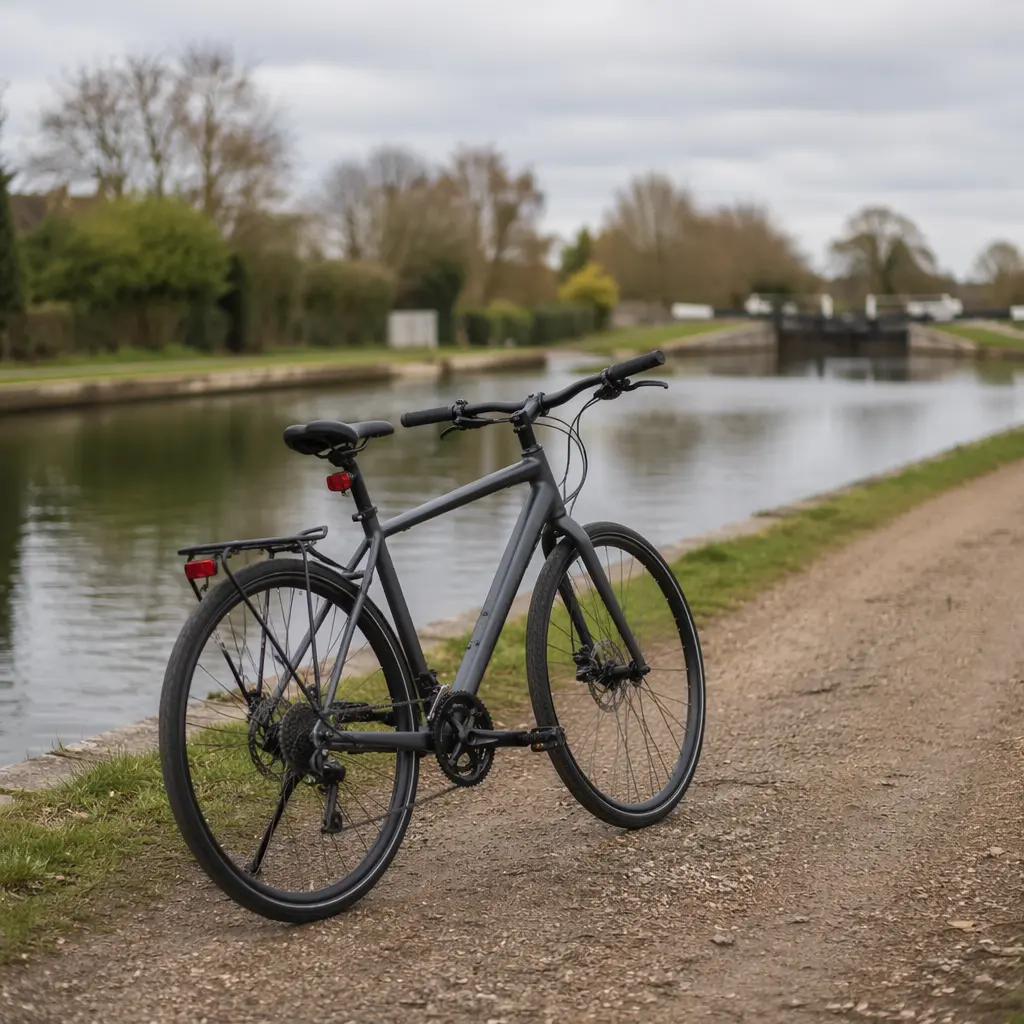
For many UK riders, a hybrid bike is the do‑it‑all option: commuting during the week, leisure rides at the weekend, and the odd gravel path thrown in. If your budget stretches from £500 to £1,000, the big question is whether paying more genuinely improves the ride, or just adds fancy names to the spec sheet. In this guide, we look at where extra spend tends to make a real difference—and where it doesn’t.
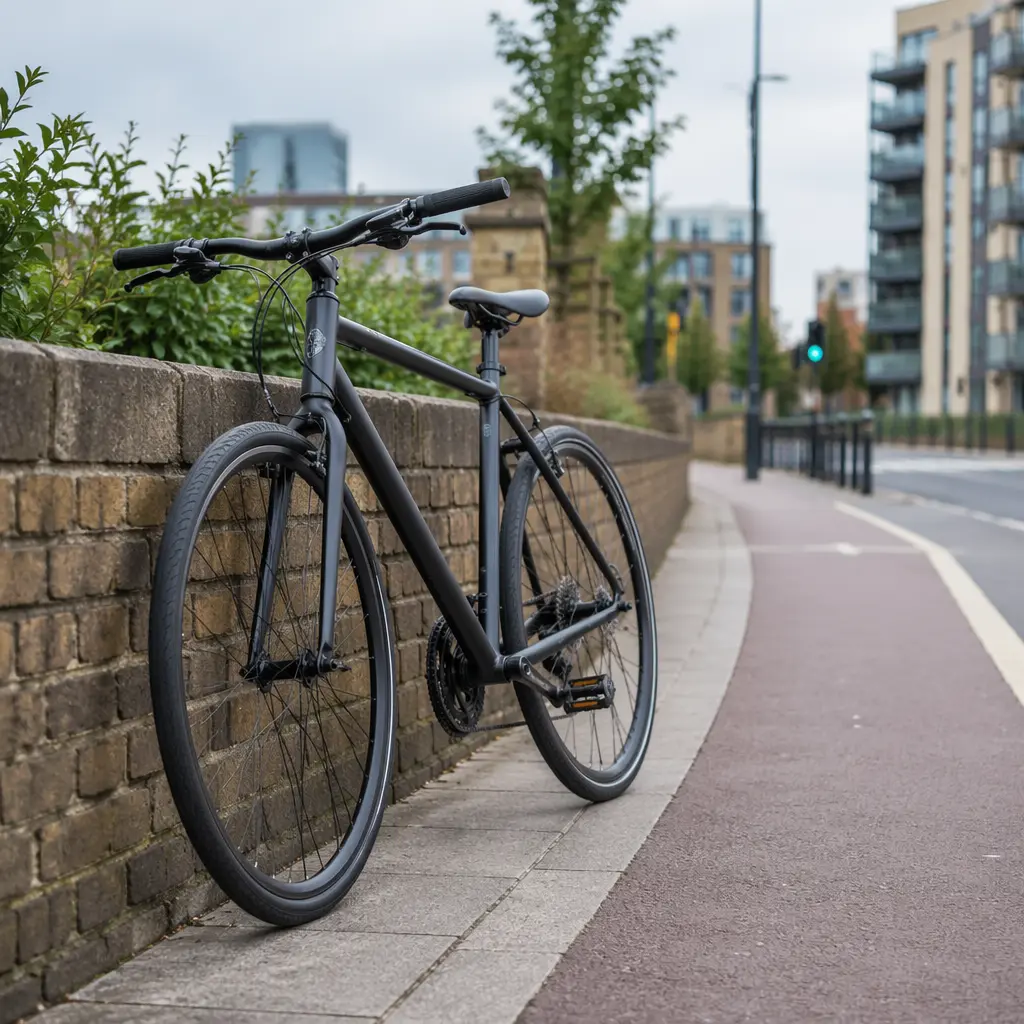
What to look for
Between £500 and £1,000, most hybrids share a similar purpose, but the details start to matter more. This is the range where component quality, finishing touches and long‑term durability begin to separate good value from bikes that simply look well equipped.
- Gearing: Expect wider-range gears with smoother shifting. Better derailleurs and shifters tend to stay in tune longer and cope better with hills and stop‑start riding.
- Frame material: Aluminium remains standard, but higher-quality alloys can feel lighter and more responsive. Some bikes add carbon forks to reduce road buzz.
- Brake type: Hydraulic disc brakes become more common at this price, offering stronger, more consistent braking in wet UK conditions.
- Geometry: Slightly more refined frame shapes can improve comfort without feeling sluggish, especially on longer rides.
- Fit options: More frame sizes—or women’s/unisex geometry options—make it easier to dial in a comfortable riding position.
- Weight: You won’t get a featherweight, but small reductions add up, particularly if you carry the bike up stairs or onto trains.
- Included accessories: Mudguard and rack mounts are usually standard; some bikes include mudguards or lights, adding everyday value.
Budget and what you're getting
At around £500, hybrids are functional and capable, but compromises are clear: heavier wheels, basic brakes and components that may need more frequent adjustment. As you move closer to £1,000, money is typically spent on better braking systems, improved drivetrains and frames that balance stiffness and comfort more effectively. You are not paying for speed in the road‑racing sense; you are paying for smoother operation, quieter rides and parts that cope better with year‑round UK use. That said, even at the top of this range, you should still expect sensible trade‑offs—carbon frames and premium finishing kits remain out of reach.
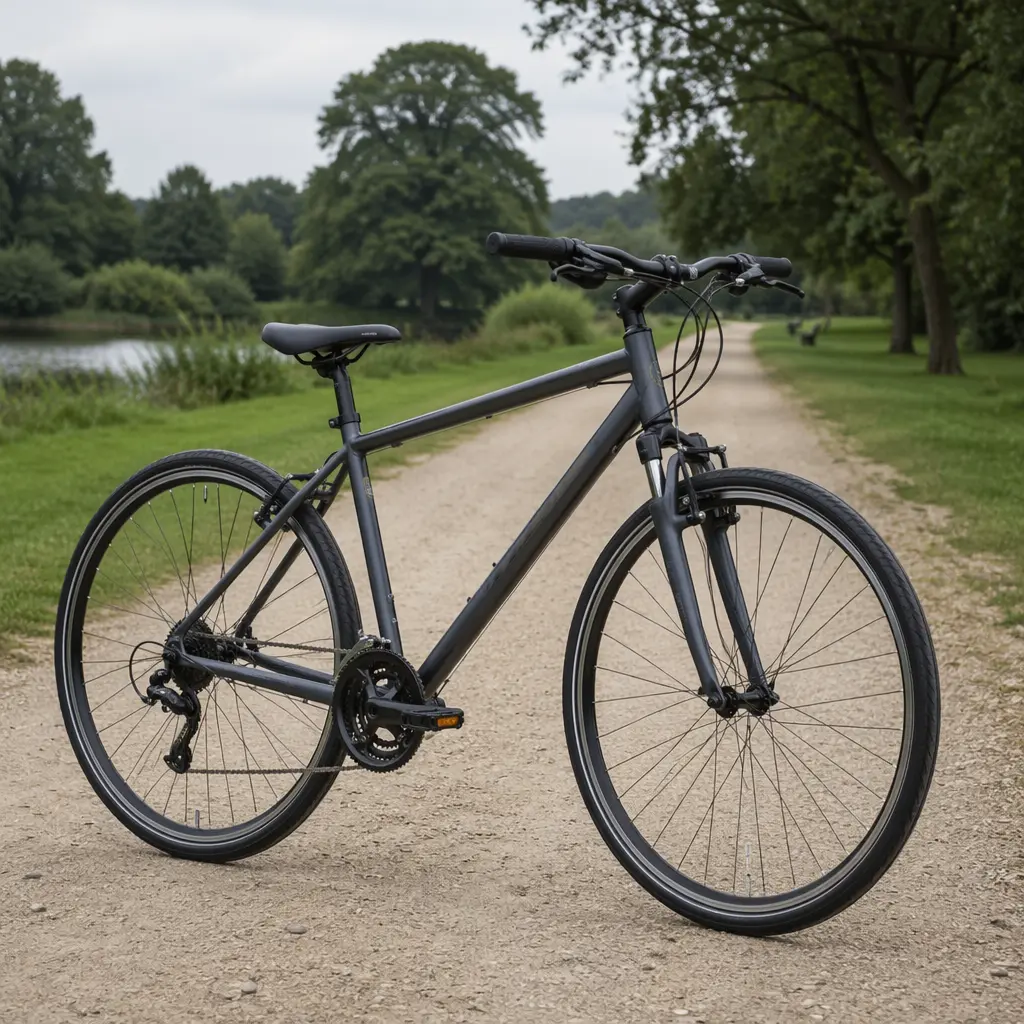
Standout categories or types
Within the £500–£1,000 range, hybrids tend to fall into a few clear camps. Knowing which style suits your riding can help you spend wisely rather than paying for features you won’t use.
- Rigid fork hybrids: Lighter, simpler and more efficient on roads and cycle paths. Extra spend here often goes into better tyres and vibration‑damping forks.
- Front‑suspension hybrids: Offer comfort on rough tracks but add weight and maintenance. Higher budgets get smoother, more controlled suspension units.
- Commuter‑focused hybrids: Designed with mounts for panniers, mudguards and lights. Paying more often brings stronger wheels and reliable brakes for daily use.
- Fitness hybrids: Sportier geometry and fewer accessories. Extra money tends to reduce weight and improve drivetrain quality.
Frequently asked questions
Is £1,000 too much for a hybrid bike?
Not necessarily. For regular commuters or riders covering longer distances, the improvements in braking, comfort and durability can justify the cost. Occasional riders may find better value closer to £500–£700.
Do hydraulic disc brakes really matter?
They are not essential, but they are a genuine upgrade. In wet or gritty conditions, hydraulic discs offer more consistent stopping power and require less hand effort than mechanical alternatives.
Is suspension worth paying for on a hybrid?
For mainly tarmac riding, a rigid fork with good tyres is often better. Suspension makes more sense if you regularly ride rough paths, but only higher‑quality units found towards the top of the range work well.
How long should a bike in this price range last?
With basic maintenance, a £500–£1,000 hybrid should last many years. The better components typically wear more slowly and need fewer adjustments, especially if ridden year‑round.
In short, paying more for a hybrid bike can pay off when it targets comfort, braking and long‑term reliability. Focus on how and where you ride, choose the right fit, and you’ll get the most value from this versatile category.
Find these on Amazon
As an Amazon Associate, CheapBikes earns from qualifying purchases.