Hybrid vs Commuter Bikes: Which Is Better for UK Daily Rides?
A plain-English guide to hybrid vs commuter bikes for UK riding. Learn the real differences in geometry, fittings and ride feel to choose the right bike for daily travel.
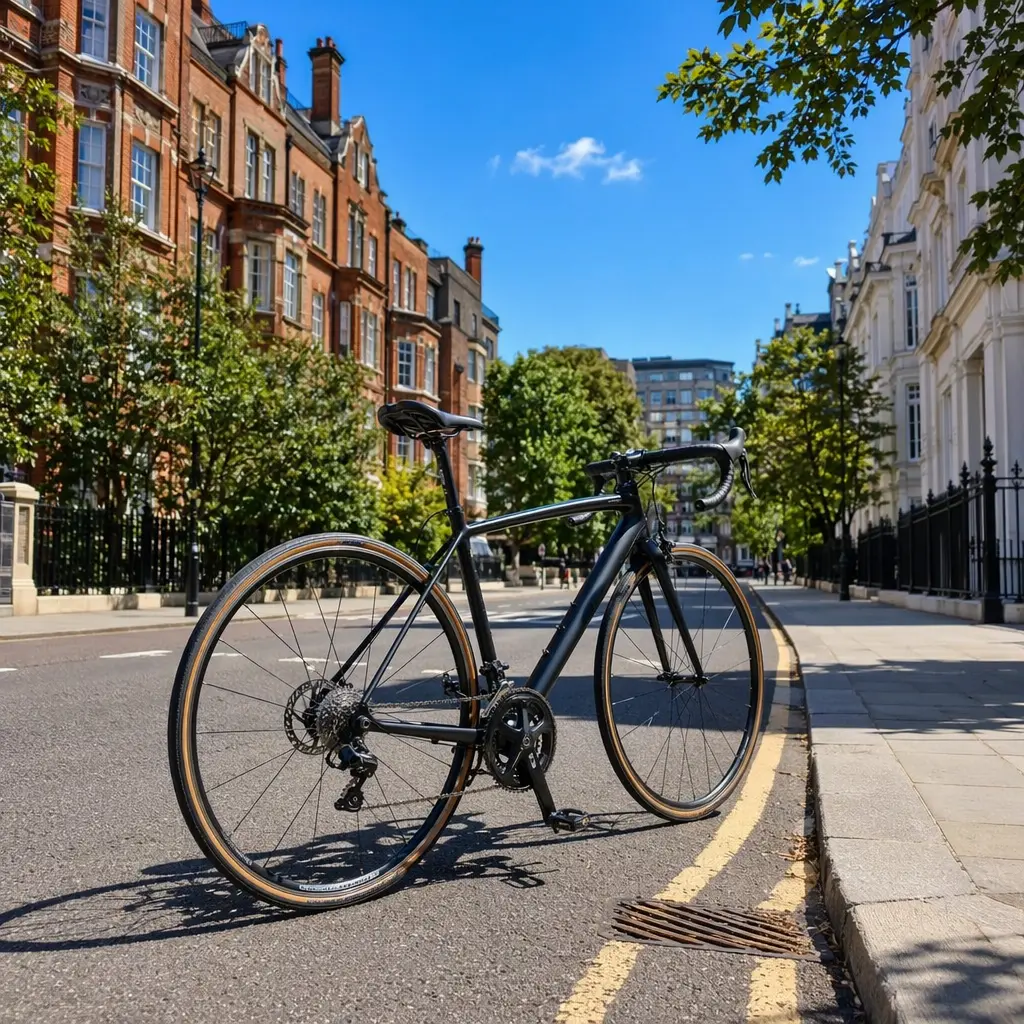
If you’re shopping for a bike to handle daily UK rides, you’ll quickly see two labels used a lot: hybrid and commuter. They look similar, often cost similar money, and are both pitched as practical choices for everyday cycling. The differences matter, though. Geometry, fittings and overall ride feel can make one a better fit for your routes, clothing and expectations. This guide explains those differences in plain English so you can choose with confidence.

What to look for
Hybrid and commuter bikes overlap a lot, so it helps to focus on practical details rather than the name on the listing. These features affect comfort, speed and how easy the bike is to live with day to day.
- Gearing: Hybrids often use a wide range of gears to cope with hills, rough paths and mixed riding. Commuter bikes may use simpler setups, sometimes even hub gears, aimed at smooth roads and low maintenance.
- Frame material: Aluminium is most common for both, keeping weight down and cost sensible. Some commuters use steel for a smoother ride and durability, especially if the bike will carry luggage daily.
- Brake type: Disc brakes are now common on hybrids and many commuters, offering consistent braking in wet UK weather. Rim brakes still appear on cheaper commuter-focused bikes and are easier to maintain but less powerful in rain.
- Geometry: Hybrids usually have a slightly sportier position, leaning you forward a bit for efficiency. Commuter bikes tend to be more upright for comfort, visibility in traffic and riding in everyday clothes.
- Fit and sizing: Both are sold in frame sizes, but commuters often have shorter reach and higher handlebars. This can feel more relaxed, especially on shorter urban trips.
- Weight: Hybrids can be lighter, particularly if they skip accessories. Commuters may weigh more due to racks, mudguards and sturdier frames.
- Included accessories: This is a big divider. Commuter bikes are more likely to come with mudguards, pannier racks, kickstands and sometimes lights. Hybrids often leave these as optional extras.
Budget and what you're getting
At typical everyday-bike budgets, the choice between hybrid and commuter is less about quality and more about priorities. Frames and components are often similar underneath. With a hybrid, more of your money goes into the drivetrain and general versatility, while accessories are stripped back to keep the headline price lower. A commuter bike may feel like better value out of the box because it’s ready for work straight away, but some of that budget is tied up in fittings rather than performance parts. Neither approach is wrong; it depends whether you prefer to add accessories later or want everything fitted from day one.

Standout categories or types
Within the hybrid category, you’ll see a split between rigid and front-suspension models. Rigid hybrids are lighter, more efficient and usually better for tarmac and smoother paths. Front-suspension hybrids add comfort on potholes and rough tracks but can feel slower and heavier on the road. For most daily UK rides, rigid hybrids are the more popular choice.
Commuter bikes also vary. Some lean heavily into low maintenance, using hub gears and chain guards to protect clothing. Others look closer to hybrids but add full-length mudguards and racks. If you ride in work clothes, carry a laptop, or leave the bike locked outside regularly, these commuter-focused details can be more important than outright speed.
Frequently asked questions
Is a hybrid or commuter better for rough UK roads?
Both can cope, but hybrids usually have wider tyres as standard, which helps absorb bumps and potholes. A commuter with slightly narrower tyres can still be comfortable, but tyre choice becomes more important.
Which is faster for getting to work?
Hybrids tend to feel quicker thanks to lighter weight and a more forward riding position. That said, on short urban trips with traffic lights, the difference is often small.
Do commuter bikes replace the need for accessories?
Mostly, yes. Many come with mudguards and pannier racks fitted. Check the spec carefully, as not all commuter-labelled bikes include lights or a kickstand.
Can a hybrid be turned into a commuter?
In most cases, yes. As long as the frame has mounts for mudguards and a rear rack, you can add the same practical features over time.
For UK daily riding, there’s no single ‘better’ choice between hybrid and commuter bikes. A hybrid suits riders who want flexibility and a slightly sportier feel, while a commuter bike suits those who value comfort, practicality and low fuss. Focus on how and where you’ll ride most often, and the right option usually becomes clear.
Find these on Amazon
As an Amazon Associate, CheapBikes earns from qualifying purchases.