Best Hybrid Bikes Under £800 for Leisure Rides
A practical guide to hybrid bikes under £800 for weekend rides, covering comfort geometry, tyre widths, gearing, brakes and the trade-offs to expect at this popular budget.

Hybrid bikes sit in the middle ground between road bikes and mountain bikes, which makes them a popular choice for relaxed weekend rides, canal paths, cycle routes and everyday fitness riding. With a budget of up to £800, buyers can usually expect lighter alloy frames, reliable gears and hydraulic disc brakes on many models, alongside a more comfortable riding position than a drop-bar road bike. The challenge is deciding which features matter most for leisure cycling, especially when tyre width, frame geometry and gearing can completely change how a bike feels over longer rides.
What to look for
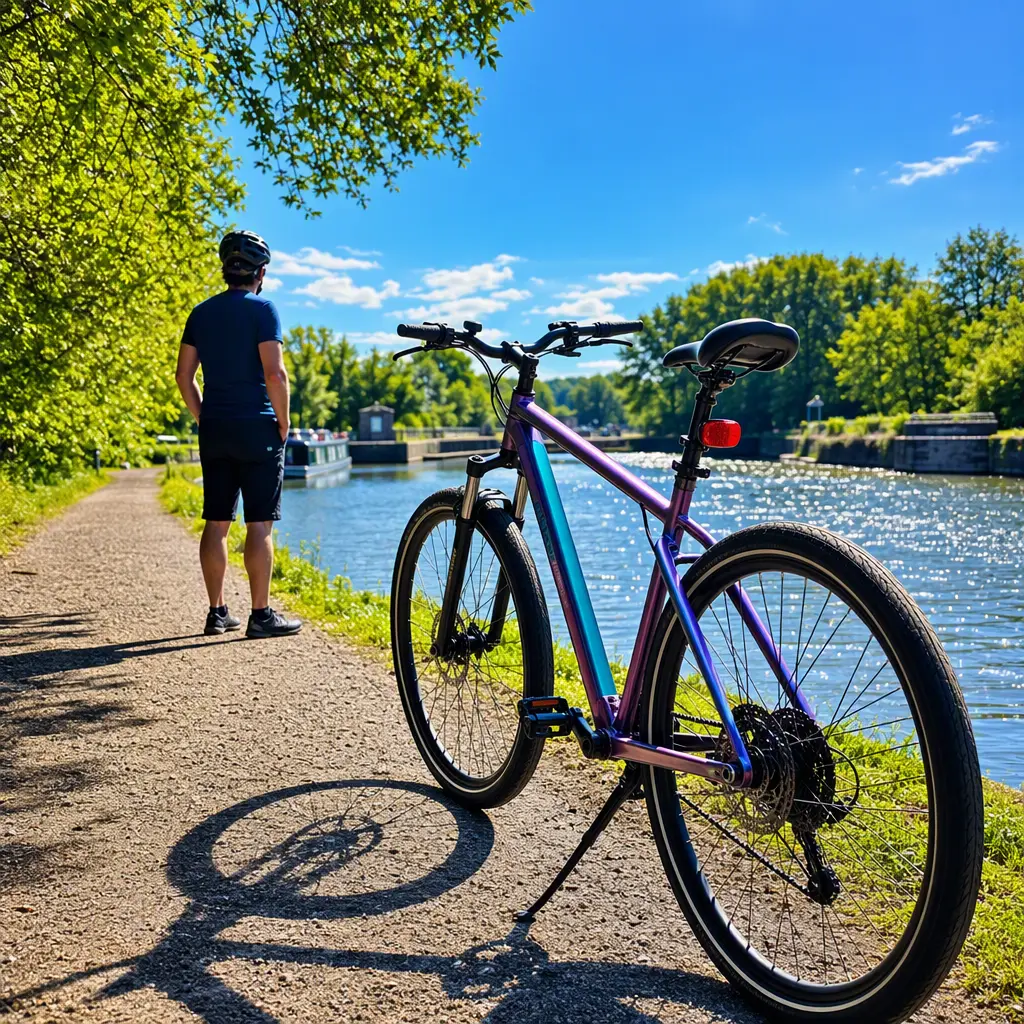
For leisure riding, comfort and versatility usually matter more than outright speed. A good hybrid bike under £800 should feel stable, easy to control and efficient enough for longer weekend rides without putting strain on your back or wrists. Many bikes in this range use flat handlebars with an upright riding position, making them approachable for newer riders and practical for mixed-use cycling. Tyres around 35mm to 45mm wide are a good balance for paved routes and light gravel tracks, giving more grip and cushioning than narrower road tyres.
- Wide-range gearing helps on hills without needing race-style fitness levels.
- Aluminium frames are common and help keep weight manageable for carrying or storage.
- Hydraulic disc brakes offer stronger stopping power and better wet-weather performance than rim brakes.
- Relaxed geometry gives a more upright position for comfort on longer rides.
- Correct sizing matters more than frame material or component upgrades.
- Bikes closer to £800 are often noticeably lighter and smoother to ride than entry-level hybrids.
- Mudguard and pannier rack mounts are useful if the bike may also be used for commuting or shopping trips.
Budget and what you're getting
The £500 to £800 bracket is one of the strongest areas of the hybrid bike market because it balances value with meaningful upgrades. Compared with cheaper hybrids, bikes in this range tend to have better-quality drivetrains, smoother shifting and stronger wheels. Hydraulic disc brakes become more common, while forks and finishing kit are often lighter and more durable. There are still compromises, though. Most bikes at this price use aluminium rather than carbon frames, and high-end touring components or premium lightweight wheels are unlikely. Front suspension may appear on some hybrids, but cheaper suspension forks can add weight without improving comfort much on smoother leisure rides. Many riders are better served by a rigid fork paired with slightly wider tyres running at lower pressures.
Standout categories or types
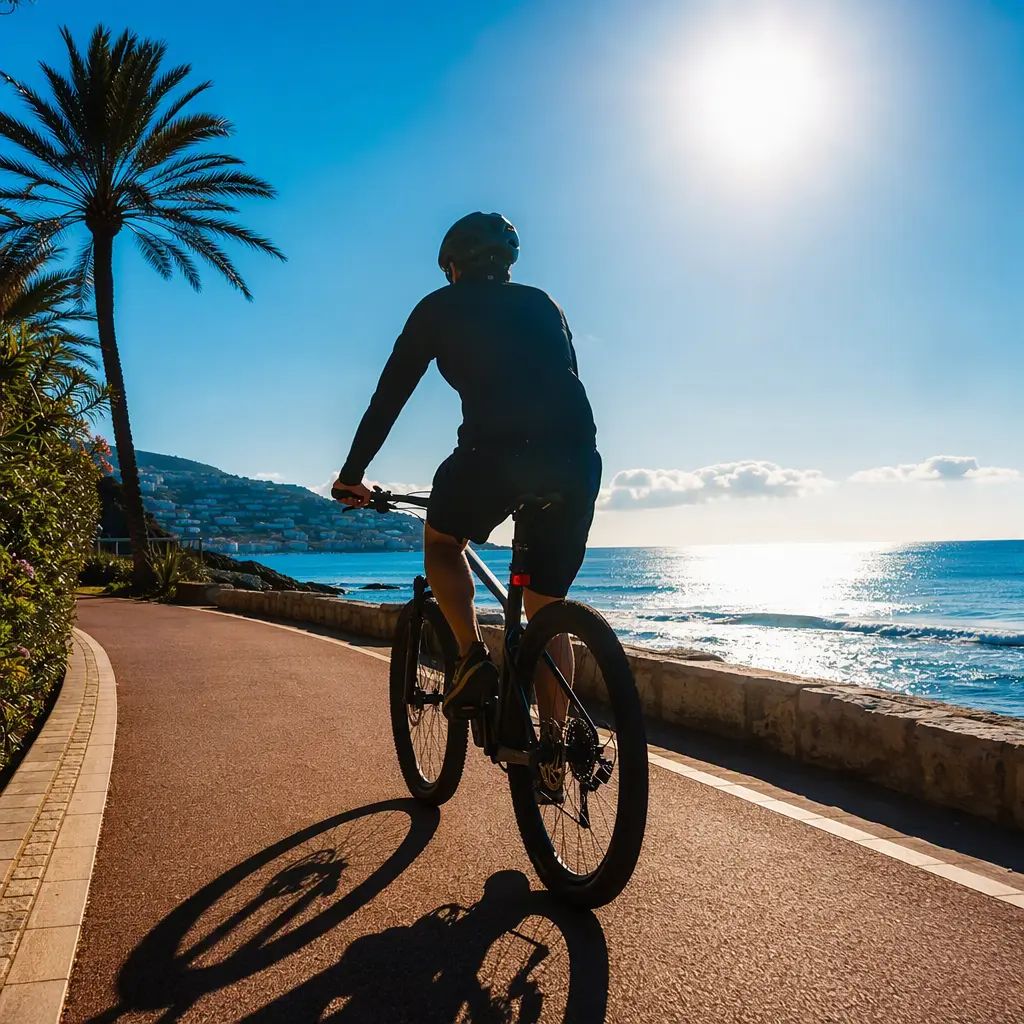
Rigid hybrids are usually the best fit for leisure riders who mainly stick to roads, cycleways and compact gravel paths. Without a suspension fork, these bikes are lighter, simpler and often more efficient when pedalling. Comfort comes from the tyres and riding position rather than suspension travel. Many modern hybrids now use wider tyres to absorb bumps, which can make a rigid bike feel surprisingly smooth on rough tarmac and towpaths.
Front-suspension hybrids can make sense for riders regularly tackling uneven bridleways or rougher park trails, but they are generally heavier and less responsive on roads. Under £800, suspension quality varies considerably, so buyers should check whether comfort gains outweigh the extra weight. Some hybrids also blur the line with fitness bikes, using narrower tyres and sportier geometry for faster riding. These can suit riders planning longer distances or quicker weekend rides, though they may feel firmer and less relaxed than comfort-focused hybrids.
- Rigid hybrids prioritise lower weight and efficient pedalling.
- Suspension hybrids favour rougher paths and casual off-road use.
- Fitness-oriented hybrids use slimmer tyres and faster handling.
- Comfort hybrids often include wider tyres, ergonomic grips and upright geometry.
- Step-through frame options can improve accessibility and ease of mounting.
Frequently asked questions
Are hybrid bikes good for long leisure rides?
Yes. Hybrid bikes are designed to balance comfort and efficiency, which makes them well suited to day rides, canal paths, park loops and cycle-network routes. Wider tyres and upright geometry help reduce fatigue over longer distances.
What tyre width is best for weekend cycling?
Tyres between roughly 35mm and 45mm are popular for leisure riding because they combine comfort, grip and reasonable rolling speed. Wider tyres can also handle rough towpaths and light gravel more confidently than narrow road tyres.
Should I choose hydraulic disc brakes?
Hydraulic disc brakes are worthwhile if the budget allows. They generally provide stronger braking in wet weather with less hand effort than mechanical discs or rim brakes. They also need less day-to-day adjustment once set up properly.
Is a lighter hybrid bike noticeably better?
A lighter bike can feel easier to accelerate, climb with and carry upstairs or onto trains. However, comfort, tyre choice and correct fit usually have a bigger effect on leisure riding enjoyment than saving a small amount of weight.
Can a hybrid bike handle gravel paths?
Most hybrids can comfortably handle compact gravel tracks, towpaths and park trails, especially with wider tyres. They are not designed for technical mountain biking, but they cope well with mixed-surface recreational riding.
For riders looking for a comfortable and versatile bike without moving into premium price territory, the hybrid category under £800 remains a strong option. The best choice depends less on chasing specifications and more on finding a bike that fits well, rolls confidently on the surfaces you actually ride and feels comfortable enough to encourage longer weekends in the saddle.
Find these on Amazon
As an Amazon Associate, CheapBikes earns from qualifying purchases.