Best hybrid bikes for heavier riders under £500
A plain-English guide to choosing a tough, comfortable hybrid bike under £500 for heavier riders. Learn which frames, wheels and tyres matter most, what trade-offs to expect, and how to get the right fit in the UK.
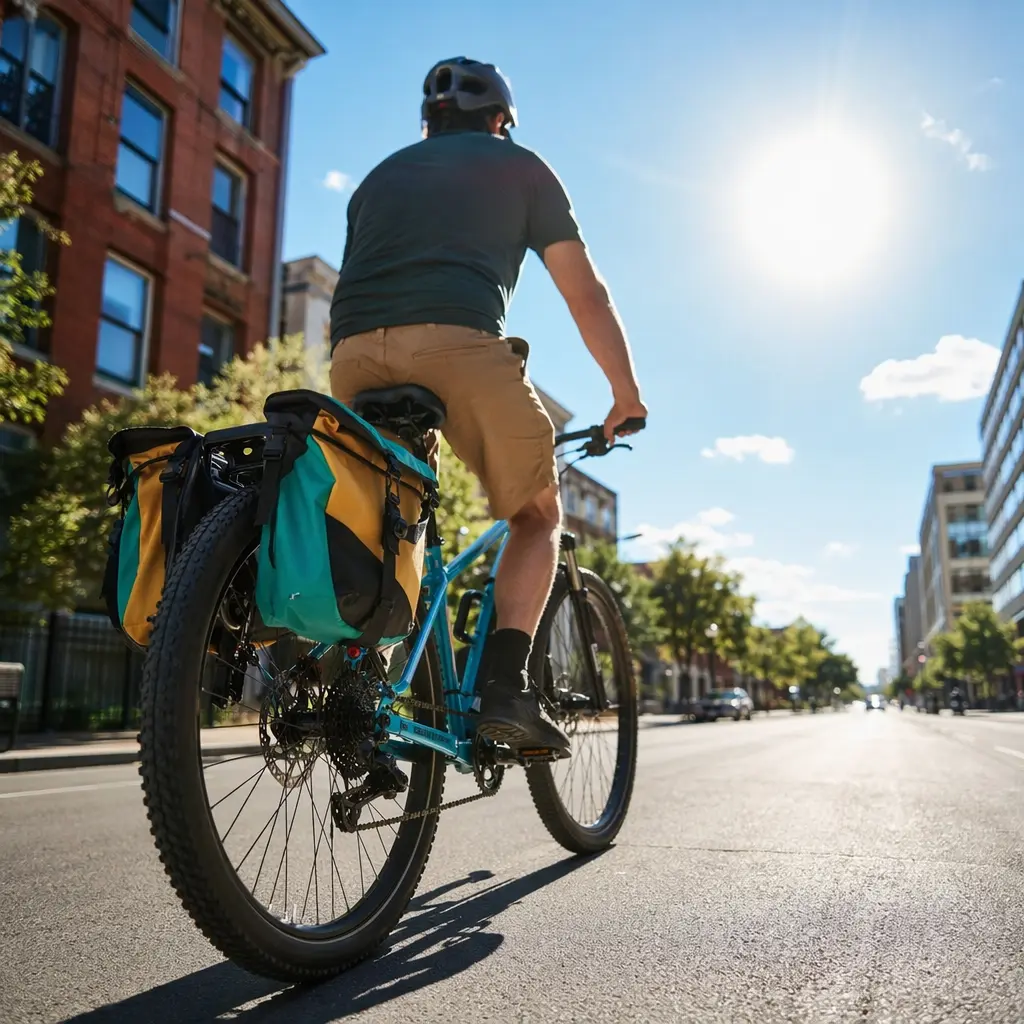
Shopping for a hybrid bike under £500 is already a balancing act. If you’re a heavier rider, durability becomes just as important as comfort and value. The good news is that this budget can still deliver a dependable, everyday hybrid — as long as you focus on the parts that really carry the load: the frame, wheels and tyres.
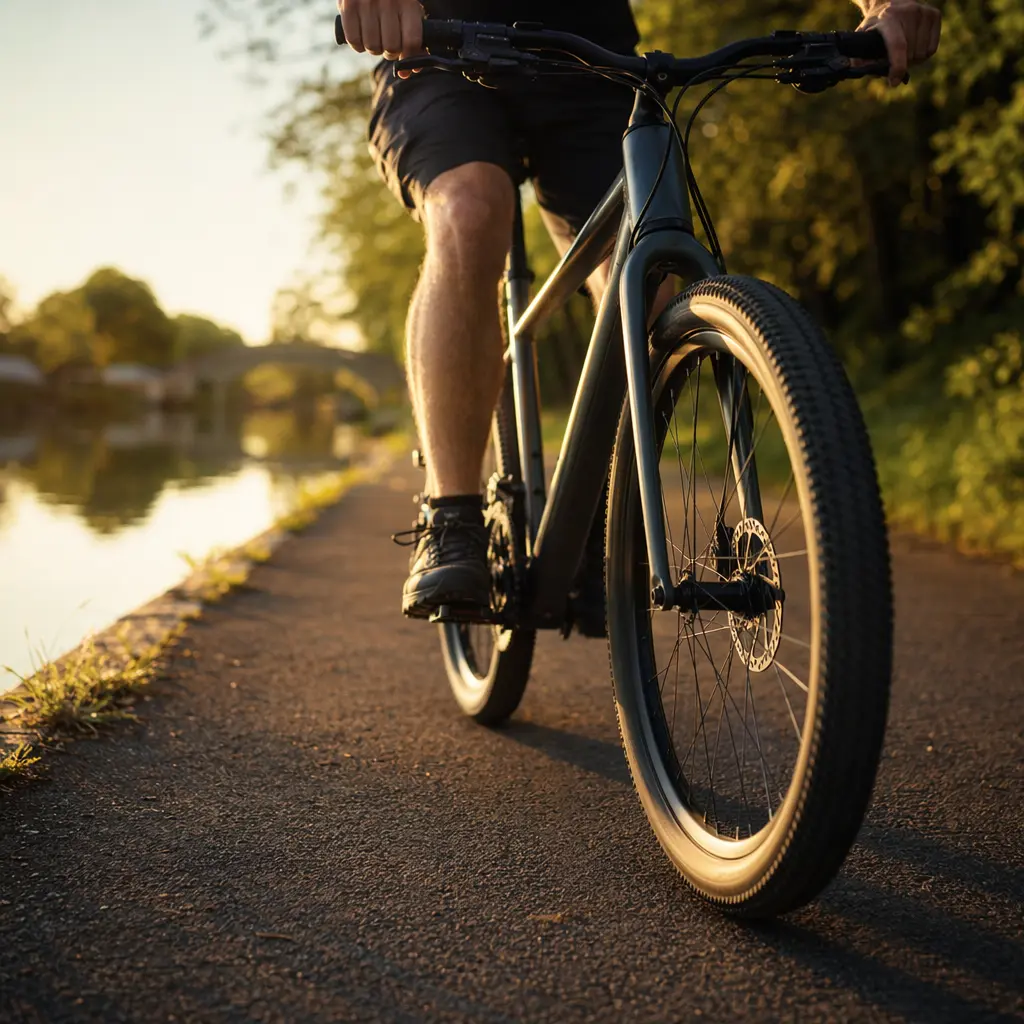
What to look for
At £300–£500, you won’t get premium materials, but you can get sensible, proven components that cope well with everyday riding. For heavier riders, these features matter most.
- Frame material: Aluminium frames are common at this price and are usually strong enough for commuting and leisure riding. Look for visibly chunky tubes rather than ultra-slim designs.
- Wheel strength: Wheels take the most stress. Double-wall rims and higher spoke counts are a good sign of durability and are often more important than overall bike weight.
- Tyres: Wider tyres (around 35–45mm) run at lower pressures, improving comfort and reducing pinch punctures. They also spread weight more evenly.
- Brakes: Mechanical disc brakes or decent V-brakes both work. Discs offer consistent braking in wet UK weather, but simple rim brakes are cheaper to maintain.
- Gearing: A wide-range drivetrain with smaller climbing gears reduces strain on knees and components when starting off or riding hills.
- Geometry and fit: A more upright riding position is easier on wrists, back and saddle. Avoid overly aggressive, stretched-out frames.
- Included accessories: Mudguard mounts and rear rack eyelets add practicality and avoid stressing the frame with clamp-on fittings later.
Budget and what you're getting
In the £300–£500 range, money is spent on reliability rather than refinement. Expect heavier frames, basic but sturdy components, and fewer fancy features. That’s not a bad thing for heavier riders: simpler parts are often tougher and cheaper to replace. You may not get ultra-light wheels or premium saddles, but you should get a bike that feels solid under load and holds up to daily use. Be realistic about upgrades — tyres and saddles are easy to swap later, while wheels and frames are not.
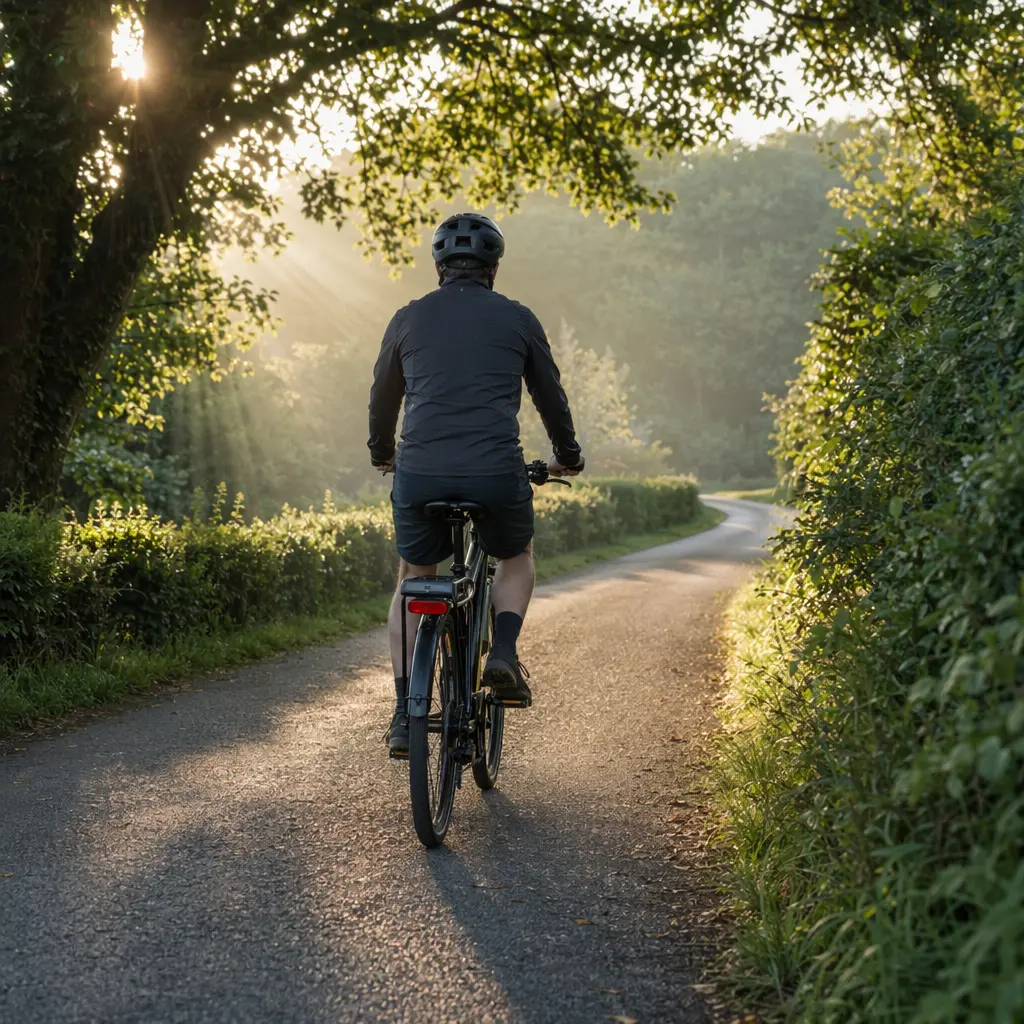
Standout categories or types
Not all hybrid bikes are built with the same priorities. Within a tight budget, choosing the right style can make a noticeable difference to comfort and longevity.
- Rigid hybrids: Bikes without front suspension are often a better choice at this price. Rigid forks are lighter, stronger and need less maintenance than budget suspension units.
- Front-suspension hybrids: These can add comfort on rough paths, but cheaper forks may flex under heavier loads. If you choose one, make sure it can be locked out for road riding.
- Alloy vs steel frames: Aluminium dominates the market, but some steel-framed hybrids appear in this price band. Steel can feel more forgiving and robust, though the bikes are usually heavier.
- Commuter-focused hybrids: Models designed for commuting tend to have stronger wheels, eyelets for racks and mudguards, and practical gearing — all useful for heavier riders.
Frequently asked questions
Do heavier riders need a special bike?
Not necessarily, but you should prioritise strength over weight savings. A standard hybrid with a robust frame, strong wheels and wider tyres is usually sufficient if it’s rated for your weight.
Are disc brakes essential?
They’re helpful, especially in wet conditions, but not essential. Well-set-up rim brakes still provide plenty of stopping power and are simpler to maintain on a budget.
Will wider tyres slow me down?
Slightly, but the trade-off is comfort, grip and durability. For everyday riding, the benefits of wider tyres usually outweigh the small loss in speed.
Is bike weight important for heavier riders?
Overall bike weight matters less than strength and fit. A slightly heavier but tougher bike is often a better long-term choice than a lighter, less robust one.
With a £300–£500 budget, heavier riders can still find a reliable hybrid bike that’s comfortable, practical and built to last. Focus on strong wheels, sensible geometry and wider tyres, and you’ll get far more value than chasing lightweight claims that don’t suit everyday UK riding.
Find these on Amazon
As an Amazon Associate, CheapBikes earns from qualifying purchases.