Best Hybrid Bikes Under £700 for Weekend and Work Rides
A practical guide to hybrid bikes under £700, covering the upgrades that improve comfort, speed and durability for commuting, fitness rides and weekend miles.
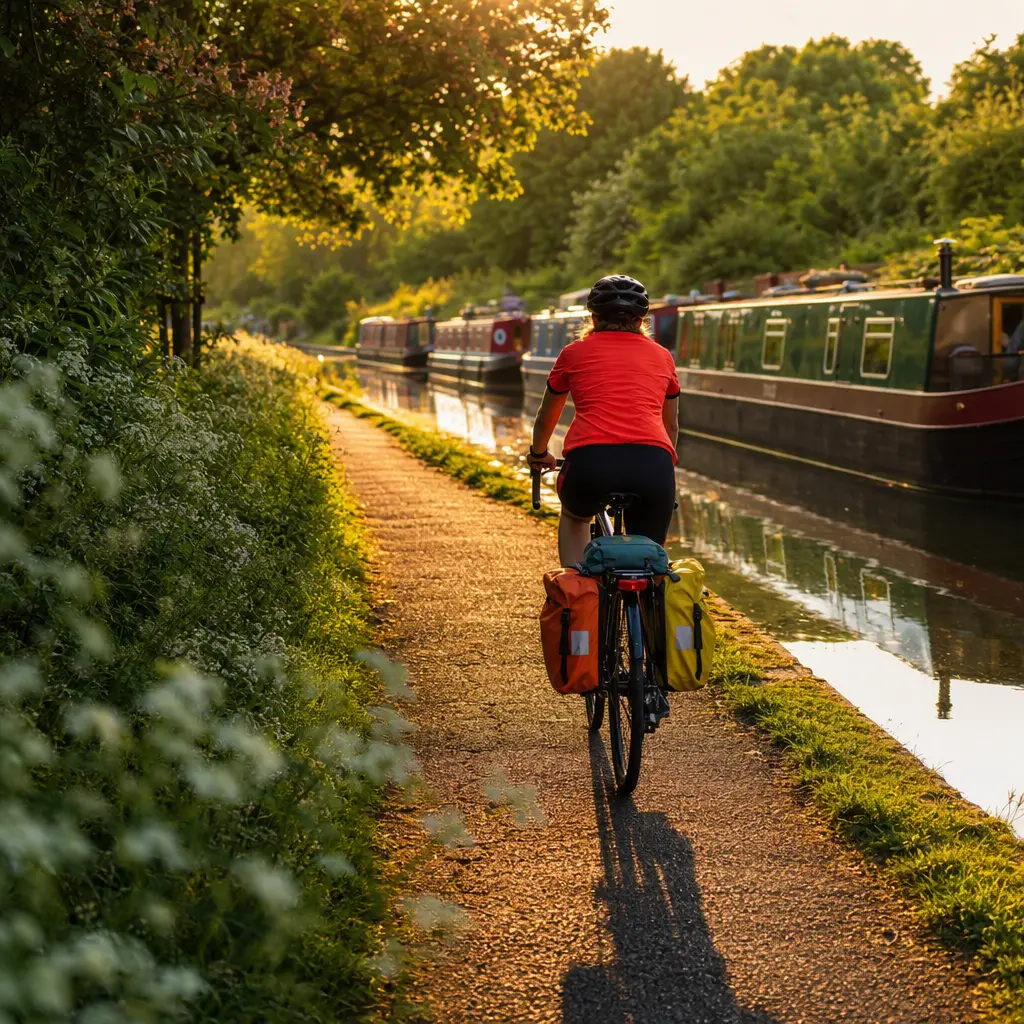
Hybrid bikes under £700 sit in a useful middle ground for riders who want one bike for commuting, fitness rides and relaxed weekend miles. At this price, the biggest improvements over cheaper hybrids are usually found in comfort, smoother gearing, lighter frames and better long-term durability rather than outright speed. A well-chosen hybrid in this range should feel easier to ride every day, especially on longer journeys or rough urban roads, while still keeping running costs sensible.
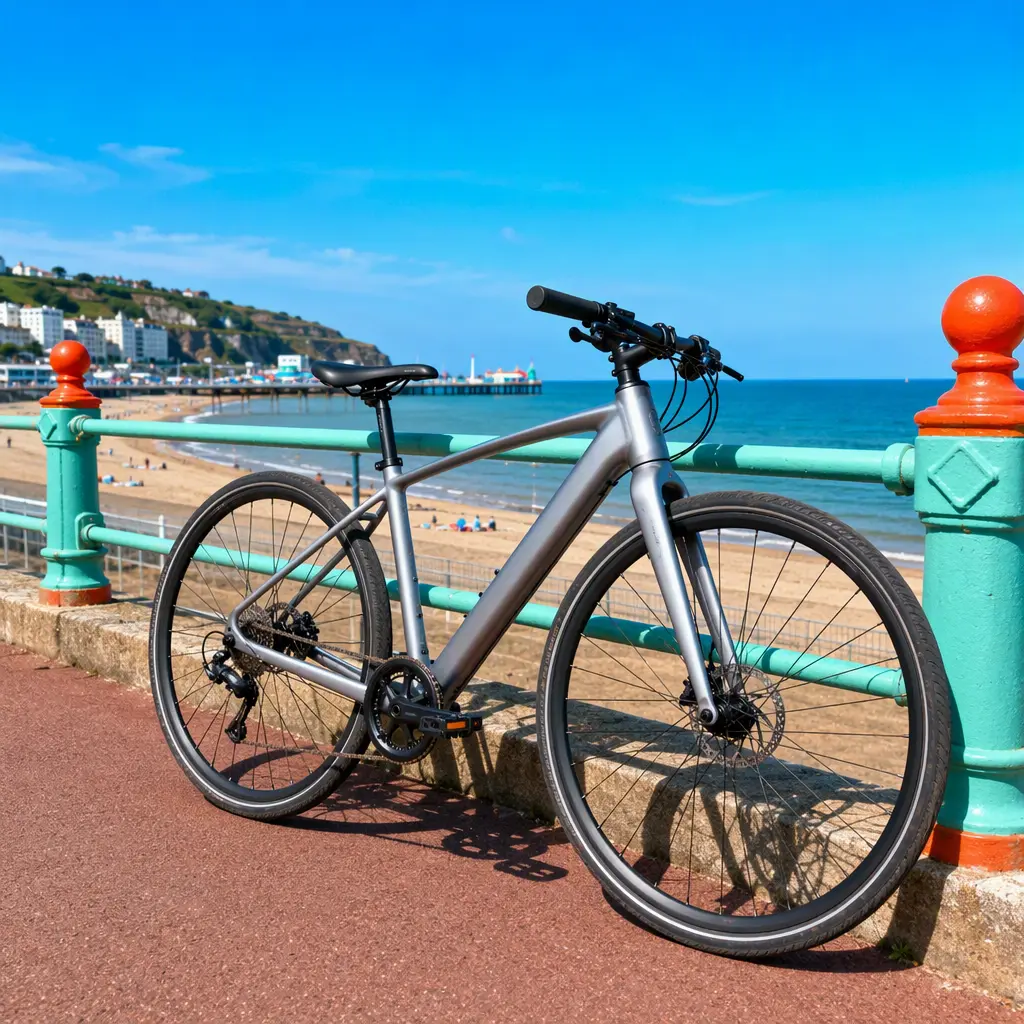
What to look for
The strongest hybrid bikes under £700 focus on practical upgrades rather than gimmicks. Compared with entry-level hybrids, many models in this range gain lighter aluminium frames, more reliable drivetrains and hydraulic disc brakes that work consistently in wet UK conditions. Comfort also improves through better geometry, wider tyres and contact points such as saddles and grips. It is worth paying attention to how the bike will actually be used. A fast urban commuter has different priorities from a bike mainly used for canal paths and weekend leisure rides.
- Gearing: Wide-range gears help on hills, while simpler 1x drivetrains reduce maintenance and keep shifting straightforward.
- Frame material: Aluminium dominates at this price because it balances low weight and affordability. Steel frames offer a smoother ride but are usually heavier.
- Brake type: Hydraulic disc brakes are one of the most worthwhile upgrades under £700, giving stronger braking and less hand fatigue in poor weather.
- Geometry: More upright geometry improves comfort for commuting and leisure rides, while sportier hybrids place the rider lower for faster riding.
- Fit: Correct frame size matters more than small spec differences. Reach and handlebar height affect comfort on longer rides.
- Weight: Bikes in this range are often noticeably lighter than budget hybrids, especially in the wheels and fork.
- Included accessories: Mudguards, pannier mounts, kickstands and lights can save money later if the bike is intended for daily transport.
Budget and what you're getting
Between £500 and £700, hybrid bikes begin to feel more refined and less compromised. The ride quality is usually smoother, shifting becomes more dependable and wheelsets tend to stay true for longer under regular use. However, there are still trade-offs. Many bikes in this bracket use heavier finishing kit than premium hybrids, and suspension forks can remain basic unless the bike is heavily trail-focused. In most cases, a rigid fork paired with wider tyres gives better value for mixed road riding because it reduces weight and maintenance while still improving comfort. Riders expecting very low weight or high-performance components may need to spend more, but for everyday cycling this budget often delivers the best balance between price and long-term usability.

Standout categories or types
Rigid hybrids are usually the strongest option for commuting and mixed road riding under £700. Without a suspension fork, more of the budget goes into lighter wheels, better brakes and stronger drivetrains. They also tend to feel quicker on tarmac and easier to maintain through winter commuting conditions. Wider tyres, often between 35mm and 45mm, help absorb rough surfaces without adding much weight.
Front-suspension hybrids appeal to riders spending more time on gravel tracks, towpaths or uneven cycle routes. They can improve confidence on rough ground, but cheaper suspension forks are heavier and may require more servicing over time. Riders mainly sticking to roads usually get better overall value from a rigid setup.
- Fitness-focused hybrids use flatter handlebars with sportier geometry for quicker riding and longer distances.
- Commuter hybrids prioritise comfort, stable handling and mounting points for mudguards and panniers.
- Leisure hybrids often include wider tyres and upright positioning for relaxed riding on mixed surfaces.
- Step-through hybrids make frequent stops easier and are popular for urban riding and practical transport.
Frequently asked questions
Are hydraulic disc brakes worth it on a hybrid bike?
For most riders, yes. Hydraulic disc brakes provide more consistent stopping power in wet weather and require less hand effort than mechanical discs or rim brakes. They are particularly useful for commuting year-round in UK conditions.
Is a suspension fork necessary on a hybrid?
Not always. Riders using mainly roads, cycle paths and light gravel often prefer rigid forks because they are lighter and simpler to maintain. Wider tyres at lower pressures can improve comfort without the extra weight of suspension.
What tyre width works best for mixed riding?
Tyres between roughly 35mm and 45mm suit many hybrid bikes because they balance rolling speed with comfort and grip. Narrower tyres can feel quicker on smooth roads, while wider tyres cope better with rough towpaths and broken surfaces.
Can a hybrid bike handle longer weekend rides?
A well-fitted hybrid is capable of covering long distances comfortably. Many riders use hybrids for charity rides, fitness cycling and touring with panniers. Comfort-focused geometry can actually make longer rides easier for casual cyclists than aggressive road bike positions.
Should accessories affect which bike to choose?
They can make a meaningful difference to overall value. A bike with proper mudguard and rack mounts is usually more practical for commuting and everyday use. Factory-fitted mudguards, lights or pannier racks may also save money compared with adding them later.
For riders balancing weekday commuting with weekend cycling, hybrid bikes under £700 offer a strong mix of comfort, practicality and dependable performance. The key upgrades at this level are often subtle but noticeable over time, especially better brakes, improved ride quality and lower maintenance demands. Focusing on fit, intended use and practical features usually leads to a better long-term choice than chasing the longest component list.
Find these on Amazon
As an Amazon Associate, CheapBikes earns from qualifying purchases.