Trek Checkpoint: the gravel bike that bridges road speed and adventure
Trek’s Checkpoint family helped make gravel mainstream in the UK, blending fast road manners with off‑tarmac confidence for riders who want one bike to do a lot of miles.
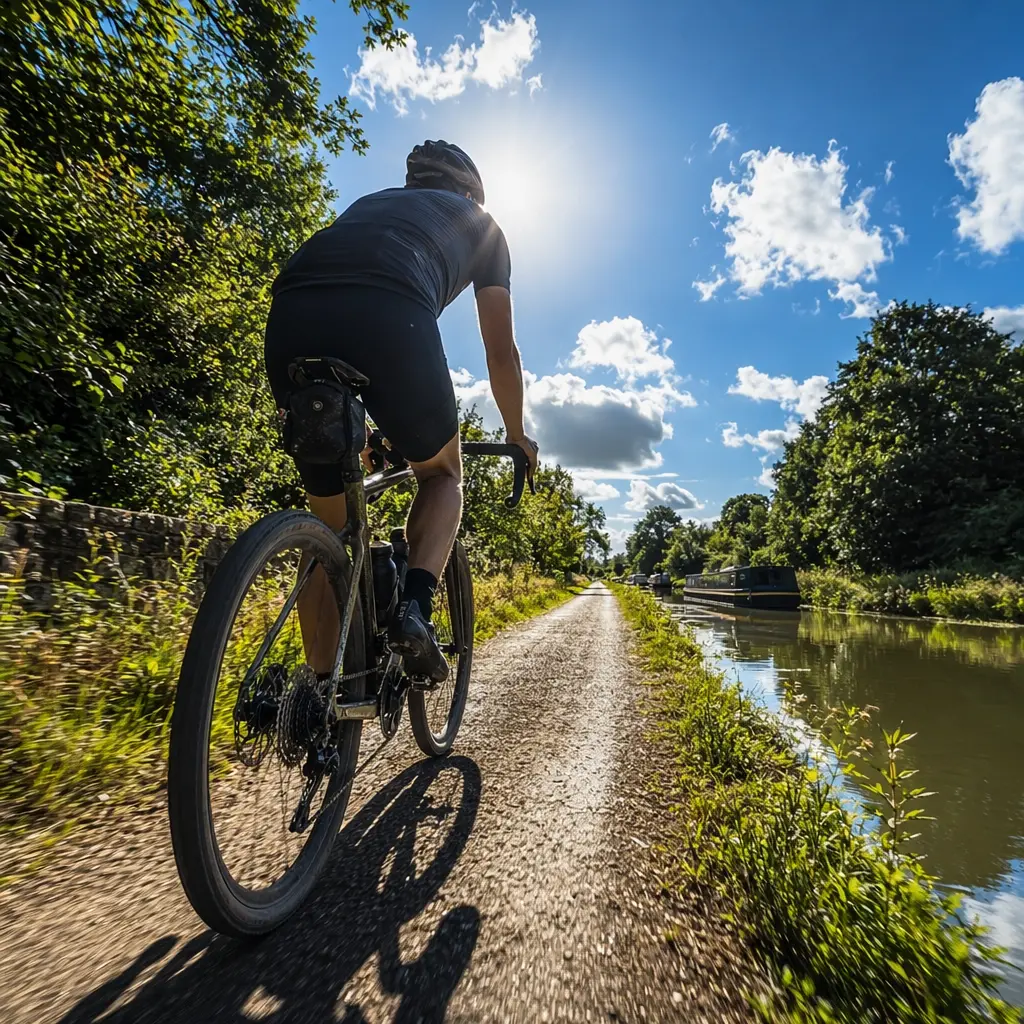
The Trek Checkpoint sits at the heart of the UK’s gravel boom. It’s a family of drop‑bar bikes designed to blur the line between brisk road riding and long, mixed‑surface adventures — the sort that start on smooth tarmac, cut across towpaths and bridleways, and finish with a café stop rather than a finish line. In a crowded market, the Checkpoint has become a familiar sight because it promises versatility without turning every ride into a slow trundle.
Where it came from
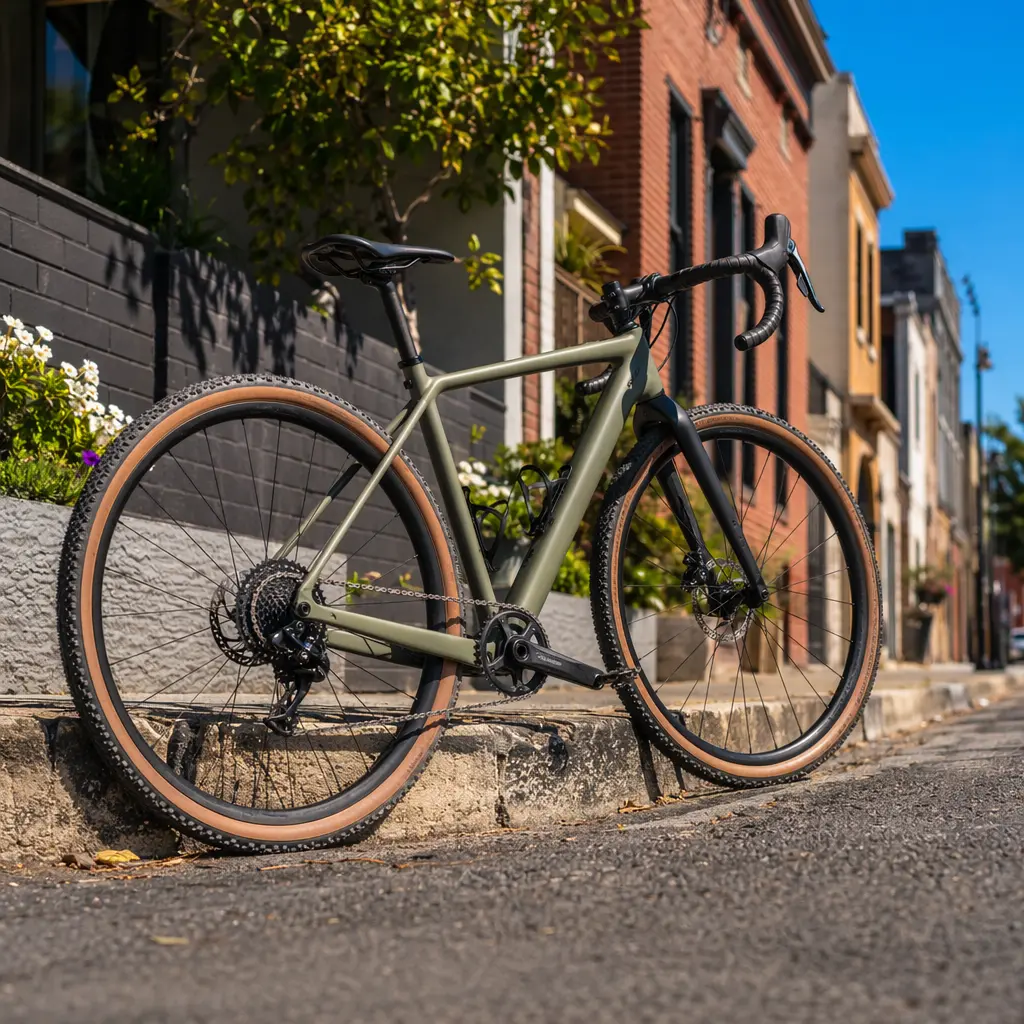
Trek was early to take gravel seriously as a category rather than a niche. The Checkpoint emerged as its dedicated answer to riders who wanted more than a road bike with bigger tyres, but less than a fully loaded touring rig. While exact launch years blur as the range has evolved, the Checkpoint arrived during the period when UK riders began demanding bikes that could cope with deteriorating roads and legal off‑road routes without sacrificing pace.
In the UK, Trek’s strong dealer network has helped the Checkpoint land squarely in the upper‑mainstream market. It’s positioned above entry‑level gravel bikes but below boutique, ultra‑niche brands — a familiar, well‑supported option sold through independent bike shops rather than big‑box retail.
Why it works
At its core, the Checkpoint is about balance. The geometry leans racy enough to feel efficient on the road, yet relaxed enough to stay composed when surfaces turn loose. Frames are built to accept wide tyres, generous mudguard clearance, and multiple mounting points — all practical touches for UK riding where weather and surfaces are unpredictable.
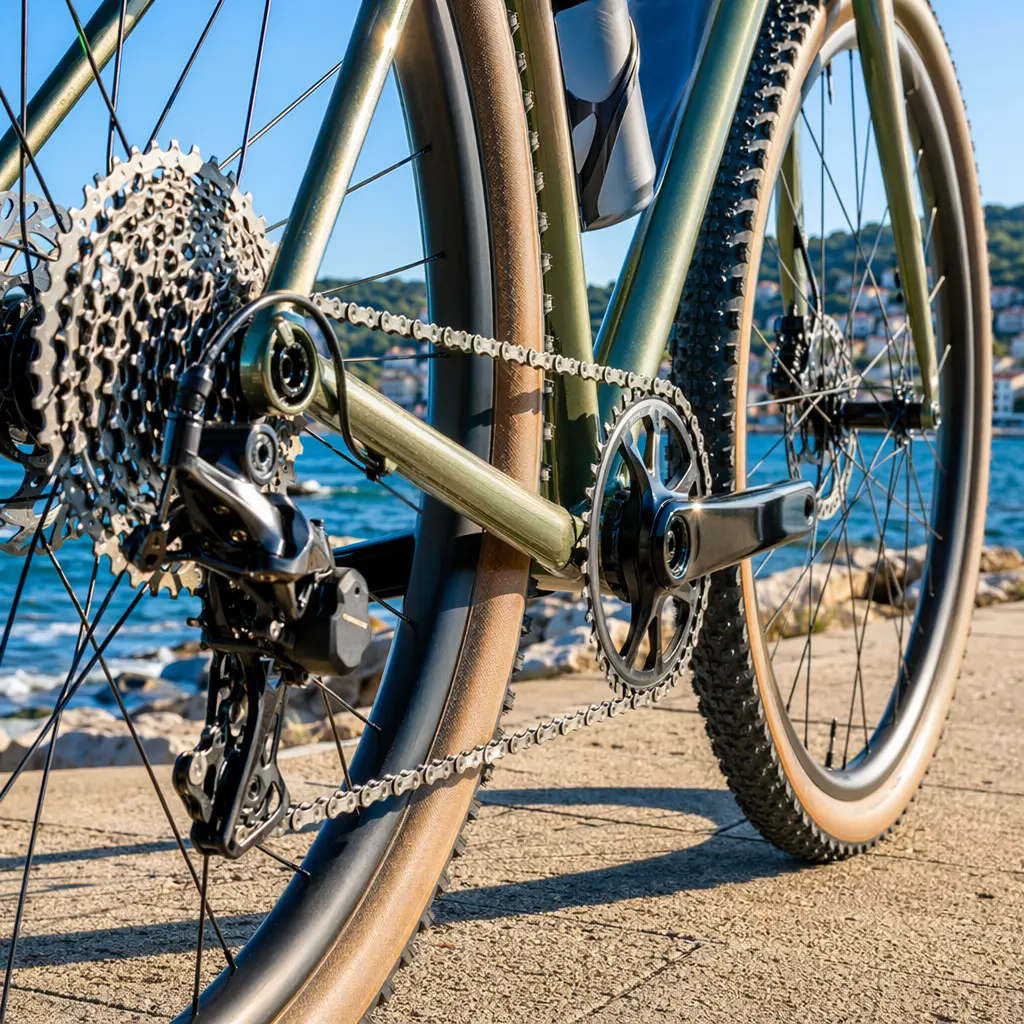
Typical builds mix road‑inspired drivetrains with gravel‑specific gearing, disc brakes for year‑round stopping power, and wheels tough enough to shrug off potholes. It’s a recipe that doesn’t shout, but quietly delivers mile after mile.
- Endurance‑leaning geometry that stays quick on tarmac
- Clearance for chunky gravel tyres and winter mudguards
- Multiple mounts for bottles, bags and racks
- Disc brakes as standard across the family
- Build options that span alloy to lighter, pricier frames
Who it's for
The Checkpoint suits riders who want one bike to cover a lot of bases: commuters who prefer drop bars, road riders curious about gravel, or weekend explorers linking lanes with bridleways. It’s not aimed at technical mountain‑bike trails, nor pure road racing, but the broad middle ground in between. Budget‑wise, expect the family to start around the lower four figures new and climb significantly with lighter frames and higher‑end components.
Variants and what to look for today
Rather than a single model, the Checkpoint is a platform with entry, mid and top trims. Lower‑priced versions usually focus on durability and value, while higher trims shave weight and add comfort features. Across generations, the core idea stays consistent: a fast gravel bike with practical touches.
If you’re buying used, condition matters more than spec sheets. Check for frame damage around mounts, wheel wear from gritty winter miles, and drivetrain life — gravel riding can be hard on chains and cassettes. Tyre clearance and mounting options have improved over time, so newer frames may suit bikepacking better than early ones.
Frequently asked questions
Is the Checkpoint fast enough for road riding?
Yes — especially with smoother tyres. While it won’t replace a dedicated race bike, many riders are surprised how little speed they give up on everyday road miles.
Can it handle UK winter commuting?
With full mudguards and robust tyres, the Checkpoint makes a solid winter commuter. Disc brakes and relaxed geometry are well‑suited to wet lanes and grit‑strewn paths.
Is it suitable for bikepacking?
The family’s mounting points and stable handling make it a popular choice for light to moderate bikepacking, particularly on mixed surfaces rather than remote, technical routes.
How does it compare to more relaxed gravel bikes?
Compared with ultra‑stable adventure gravel bikes, the Checkpoint feels sportier. That’s a plus for speed, but riders prioritising slow, heavily loaded touring might prefer a more upright option.
The Trek Checkpoint’s longevity comes from its refusal to pick a single lane. By blending road efficiency with off‑road confidence, it’s become a dependable all‑rounder for UK riders who want their bike to adapt as their routes — and ambitions — change.
Find these on Amazon
As an Amazon Associate, CheapBikes earns from qualifying purchases.