Raleigh Centros: the step‑through e‑bike that normalised the commute
Raleigh’s Centros range made everyday electric commuting feel straightforward in the UK: step‑through frames, sensible kit and a ride that fits workdays as well as weekends.

The Raleigh Centros is the kind of e‑bike that quietly changed expectations. It didn’t arrive as a gadgety experiment or a racer’s toy; it arrived as a normal bike with help. In the UK market, where commuting often means mixed surfaces, stop‑start traffic and carrying stuff, the Centros family found a sweet spot between comfort, reliability and sensible electrification.
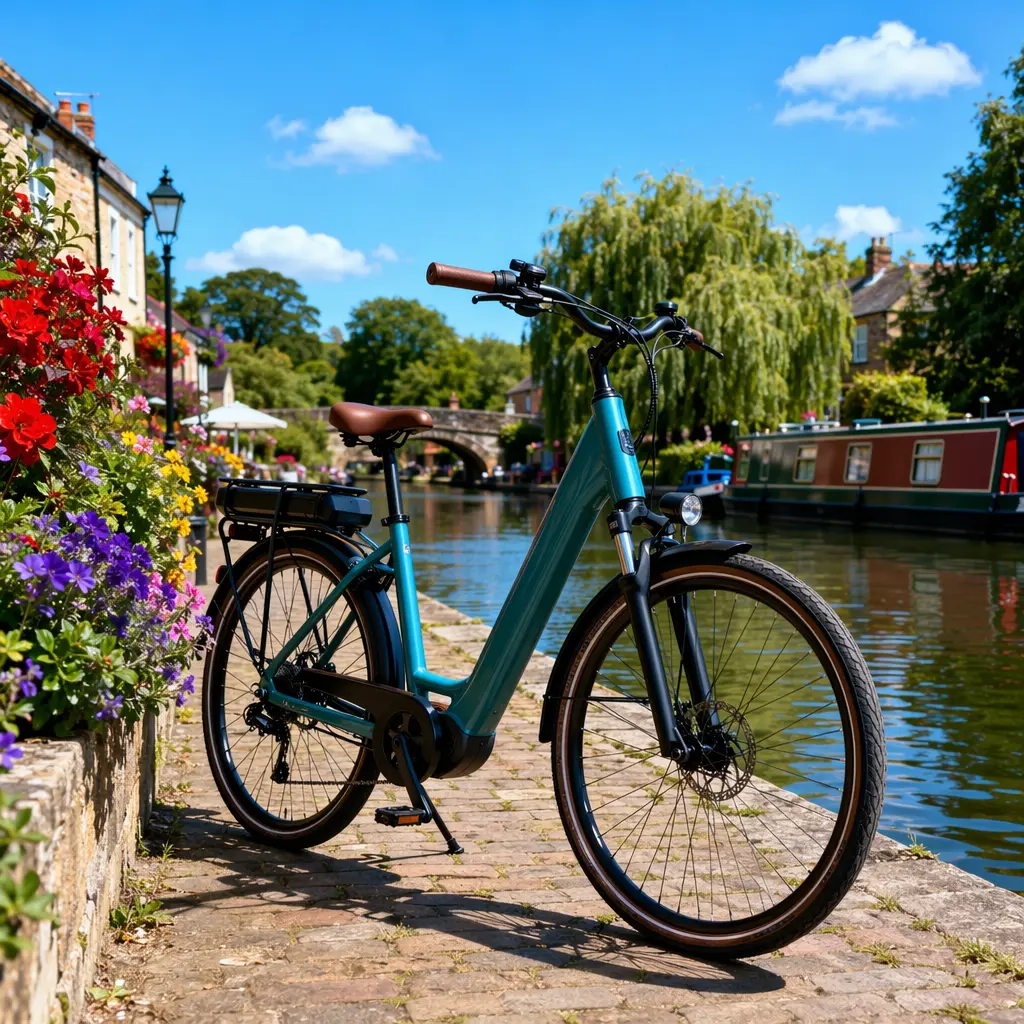
Where it came from
Raleigh has long been a household name in Britain, and the Centros family sits firmly in that tradition of practical transport. Rather than chasing extremes, Raleigh positioned the Centros as an everyday electric bike for people who simply wanted cycling to be easier. Step‑through frames, familiar components and conservative styling made it feel approachable at a time when e‑bikes were still novel.
Sold through UK bike shops and mainstream retailers, the Centros benefitted from Raleigh’s distribution and aftersales support. That mattered: assisted bikes are only as confidence‑inspiring as the help available when something needs adjusting or updating. The family grew steadily, with small evolutions rather than radical reinventions, reinforcing its reputation as a dependable choice.
Why it works
At heart, the Centros works because it behaves like a good city bike first and an e‑bike second. The geometry is upright and stable, encouraging clear visibility in traffic and easy balance at low speeds. Step‑through frames lower the barrier to entry, whether that’s formal workwear, limited flexibility, or simply a preference for easy mounting.
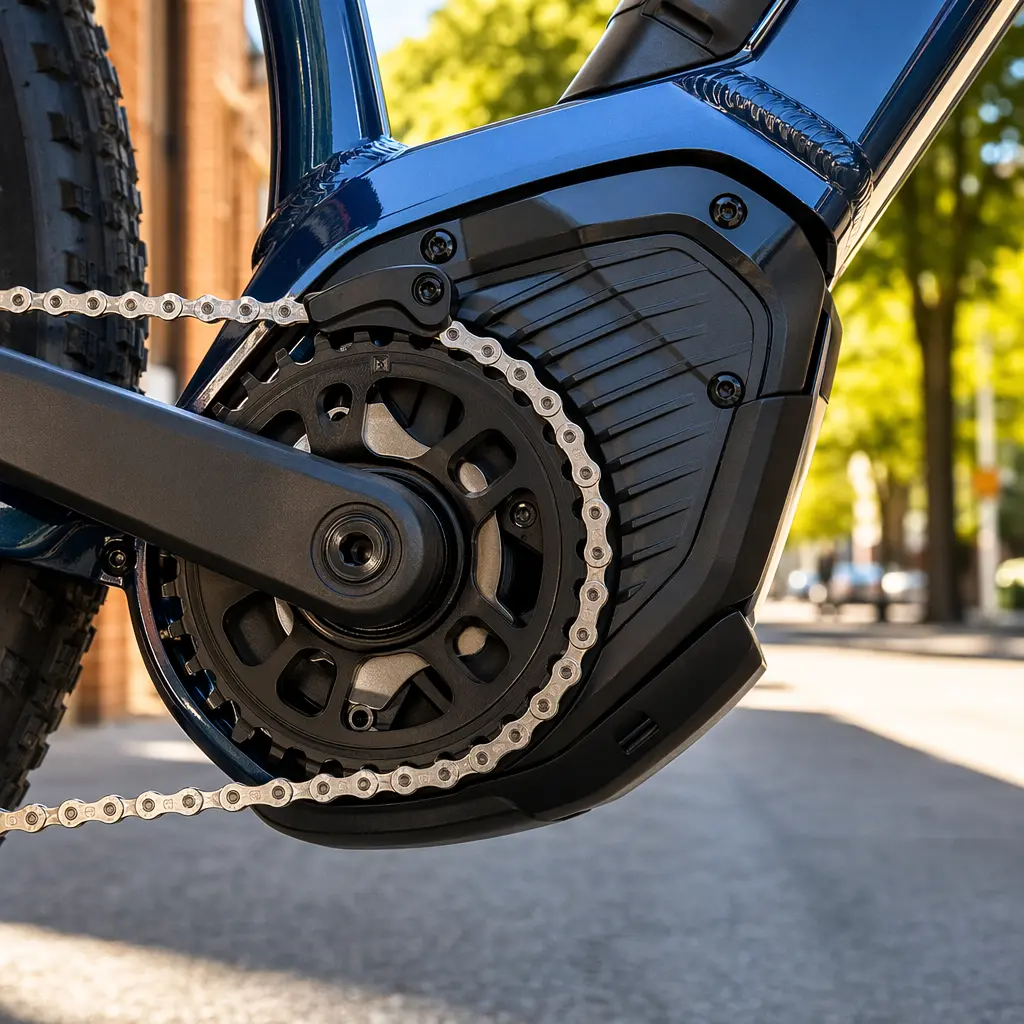
Typical builds focus on durability over flash. Expect mid‑drive assistance that feels natural rather than punchy, paired with gearing aimed at getting away cleanly from junctions and coping with modest hills. Finishing kit is chosen for daily use: mudguards for British weather, integrated lights, racks ready for panniers, and tyres that trade outright speed for puncture resistance.
- Step‑through and low‑standover frames for easy access
- Upright riding position suited to traffic and longer days
- Integrated lights and mudguards as standard
- Mid‑drive assistance tuned for steady, predictable support
- Rack compatibility for shopping or work bags
Who it’s for
The Centros is aimed squarely at everyday riders: commuters who want to arrive without breaking a sweat, riders returning to cycling after a break, or anyone replacing short car journeys with pedal power. It’s not built for off‑road thrills or high‑speed sport riding, but for reliability and comfort over repeated use. Budget‑wise, the family has typically sat in the mid‑range for electric bikes, often around £2,000–£3,000 new depending on specification, with used examples offering a more accessible entry point.
Variants and what to look for today
Across the Centros family, differences tend to be about comfort and convenience rather than outright performance. Entry versions usually keep things simple with basic gearing and displays, while higher trims add smoother shifting, plusher forks or more refined controls. Some variants lean towards classic city styling, others towards a slightly sportier hybrid feel, but the core recipe remains the same.
If you’re looking second‑hand, condition matters more than trim level. Check battery health and charging behaviour, listen for unusual noises from the motor, and inspect wear items like chains and brake pads. Replacement batteries and servicing support are widely available in the UK, which is one reason the Centros has held its value better than some lesser‑known e‑bikes.
Frequently asked questions
Is the Raleigh Centros suitable for hilly commutes?
Yes, within reason. The assistance is designed for steady climbing rather than aggressive acceleration, which suits typical UK hills and loaded commuting. Extremely steep or prolonged climbs may feel slower than sport‑oriented e‑bikes, but the trade‑off is smoother, more predictable support.
Can it handle year‑round riding?
The Centros is well set up for British conditions. Mudguards, corrosion‑resistant components and conservative tyre choices make it a sensible year‑round option, provided it’s maintained and cleaned regularly through winter.
Is it heavy compared to non‑electric bikes?
Like most mid‑drive e‑bikes, the Centros is heavier than a standard hybrid. That weight is noticeable when lifting or carrying, but on the move the assistance masks it effectively, especially in stop‑start traffic.
Does the step‑through frame compromise stability?
Not in everyday use. The frames are designed around the motor and battery placement to keep handling calm and predictable. For commuting speeds and loads, stability remains a strong point.
As a family, the Raleigh Centros didn’t shout about innovation; it normalised electric assistance for ordinary journeys. That quiet competence is why it remains a familiar sight on UK streets and cycle paths — a reminder that the most influential bikes are often the ones that simply get on with the job.
Find these on Amazon
As an Amazon Associate, CheapBikes earns from qualifying purchases.