Gravel bikes under £1,000: fit and tyre clearance
Buying a gravel bike on a £500–£1,000 budget? This guide explains fit, tyre clearance and key specs to prioritise for mixed-surface riding without overspending.
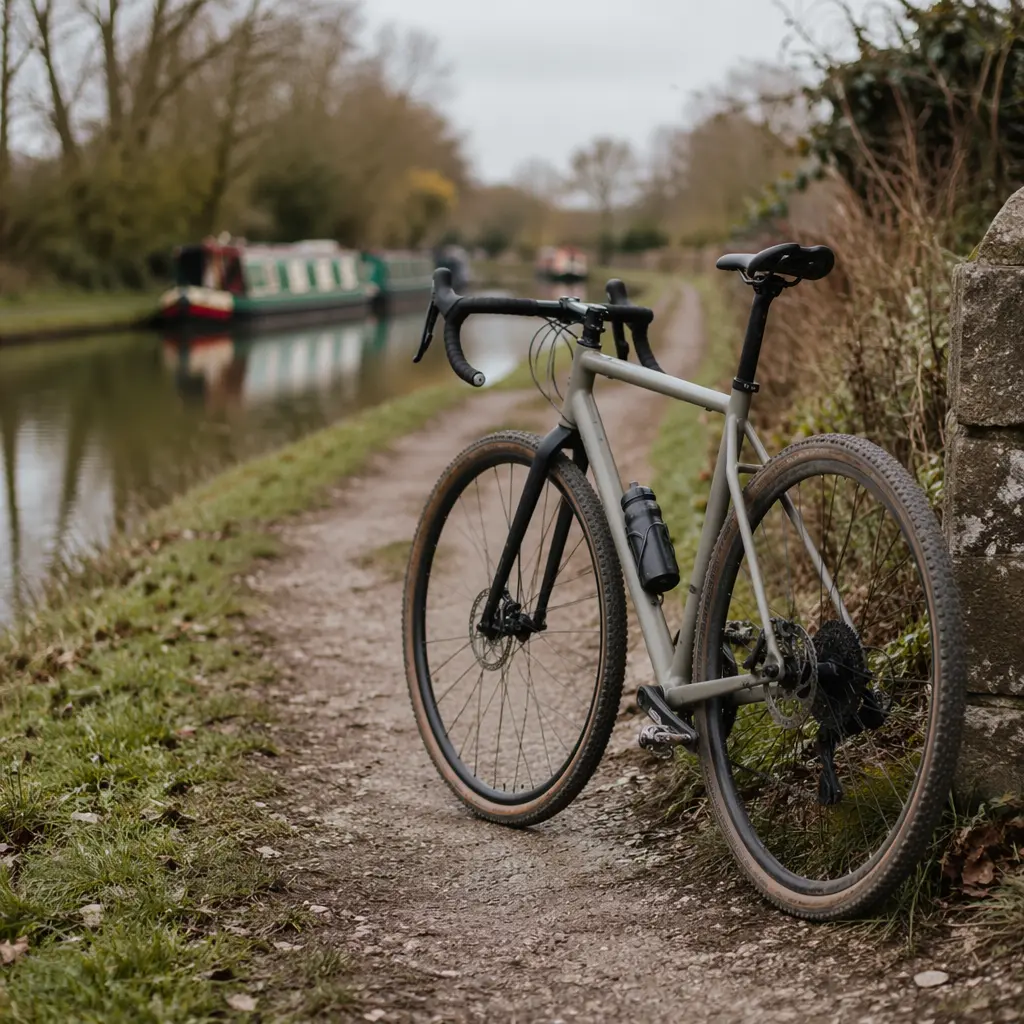
Gravel bikes promise one-bike flexibility: tarmac commutes, bridleways, towpaths and the odd rough track. Under £1,000, that promise is achievable, but choices matter. Fit and tyre clearance will shape comfort, confidence and future upgrades far more than chasing headline specs.
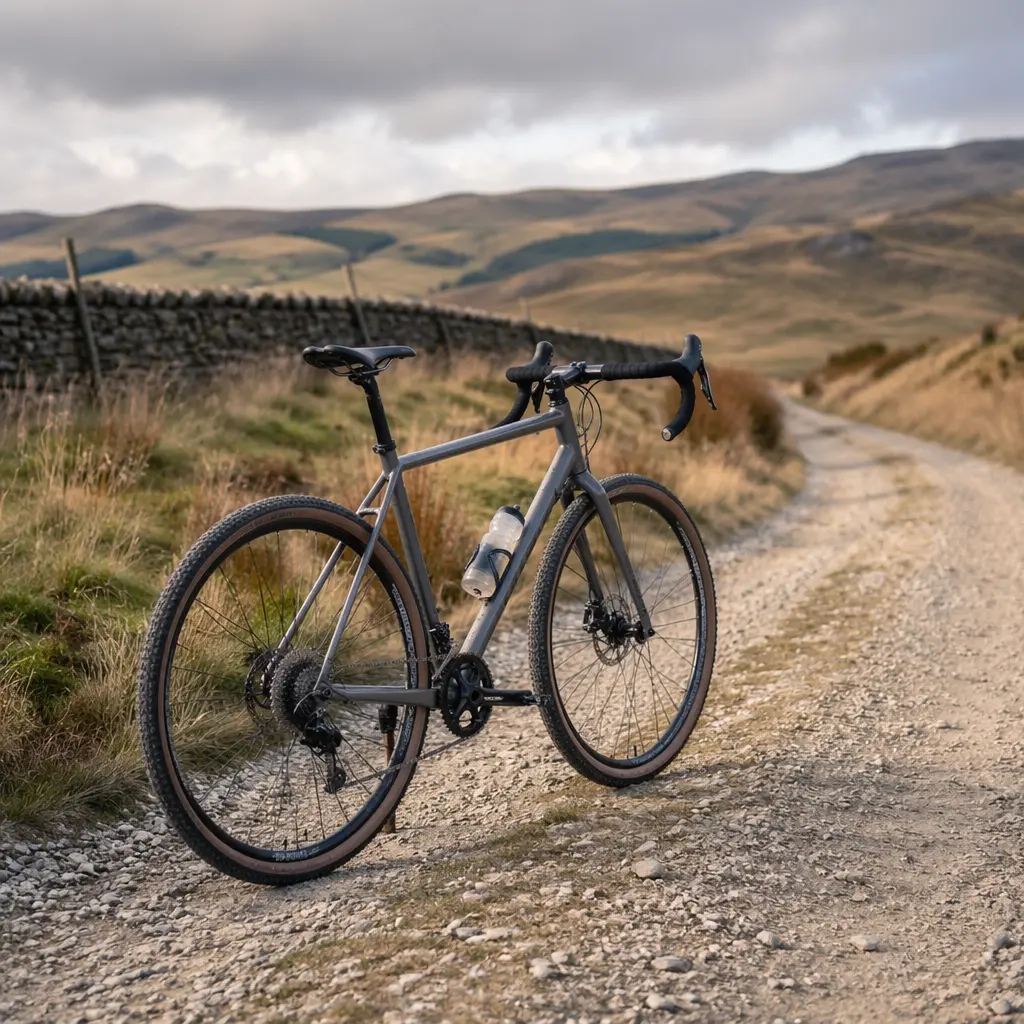
What to look for
At this price band, sensible priorities beat flashy components. Focus on a frame that fits, clearance for wider tyres, and dependable parts that are easy to service. Here’s what matters most for mixed-surface riding.
- Gearing: Wide-range gearing helps on loose climbs. Look for lower bottom gears rather than close road-style ratios.
- Frame material: Aluminium is common and good value; steel appears occasionally and can add comfort but weight varies.
- Brake type: Mechanical disc brakes are typical and fine if well set up; hydraulic discs are a bonus but not guaranteed.
- Geometry: A slightly longer wheelbase and taller front end add stability on rough ground compared with road bikes.
- Fit: Stack and reach should allow a relaxed position; aggressive race fits are less forgiving off-road.
- Weight: Expect heavier builds than road bikes; reliability matters more than shaving grams.
- Included accessories: Mounts for mudguards, racks and extra bottles add year-round usefulness.
Budget and what you're getting
Between £500 and £1,000, gravel bikes are built to a price. Frames are usually aluminium with carbon forks appearing towards the top end. Drivetrains tend to be entry-level but durable, and wheels may be basic. The upside is strong value and easy upgrades later; the trade-off is extra weight and fewer premium touches.
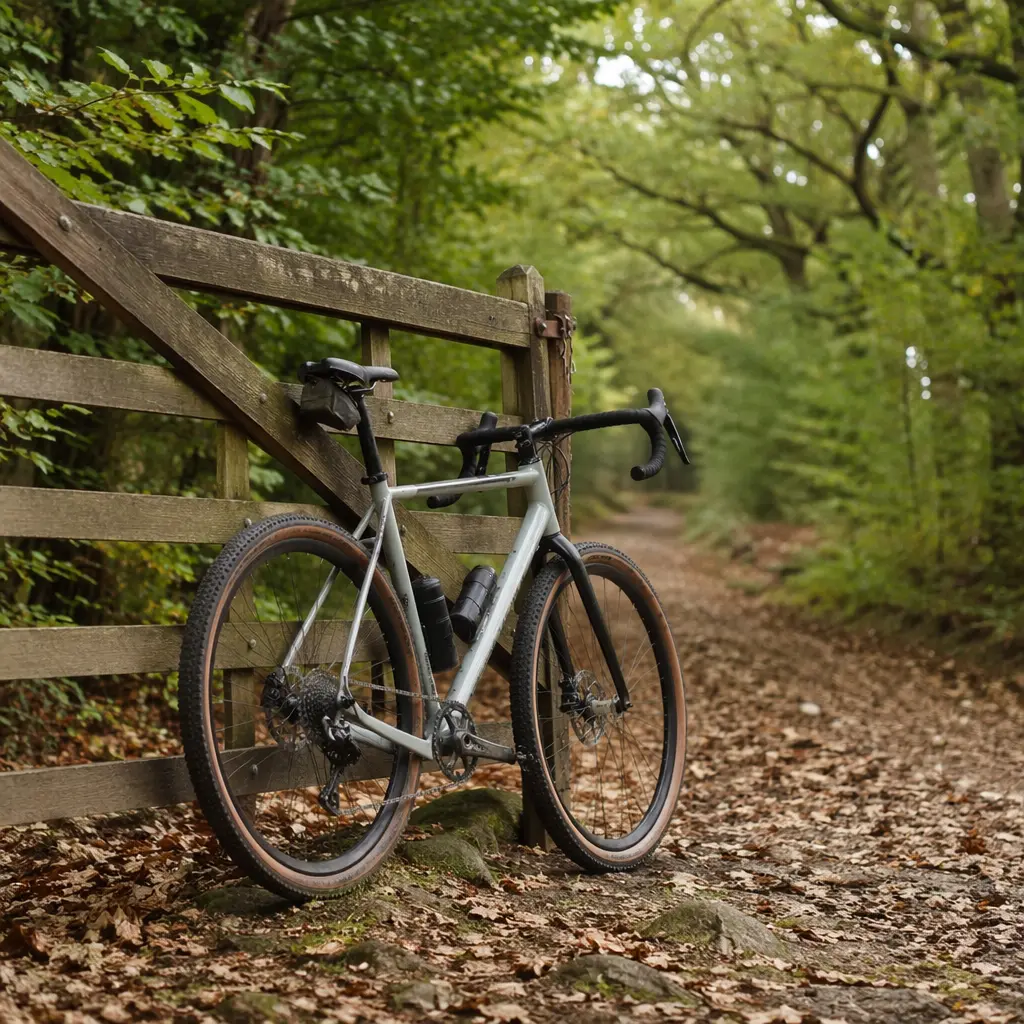
Standout categories or types
Not all gravel bikes under £1,000 ride the same. Small design choices change how they feel on mixed terrain and how adaptable they are over time.
- Endurance-leaning gravel: More upright fit, often closer to a relaxed road bike with extra clearance. Good for commuting and light trails.
- Adventure-focused gravel: Longer wheelbase and slacker angles for stability, usually with more mounts for bags and racks.
- Clearance-first frames: Bikes designed to take wider tyres (40–45mm) even if sold with narrower rubber give room to grow.
Frequently asked questions
How much tyre clearance do I need?
For typical UK gravel—towpaths, bridleways and forestry tracks—38–40mm tyres are a practical minimum. Clearance up to 45mm adds comfort and grip, especially in winter, and keeps options open.
Can I use a gravel bike for commuting?
Yes. Look for mounts for mudguards and a rear rack. Fit slick or semi-slick tyres and you’ll have a fast, comfortable all-weather commuter.
Are mechanical disc brakes good enough?
Well-adjusted mechanical discs offer plenty of power for gravel riding and are simple to maintain. Hydraulic brakes feel better but aren’t essential at this budget.
Should I choose 1x or 2x gearing?
1x setups are simpler and quieter off-road, while 2x offers closer steps for road riding. Both work; prioritise having a low enough gear for climbs.
Is aluminium too harsh for gravel?
Modern aluminium frames can be comfortable when paired with wider tyres and a carbon fork. Tyre volume makes a bigger difference than frame material.
A sub-£1,000 gravel bike can handle real mixed-surface riding if you prioritise fit and tyre clearance. Choose a frame that suits your body and routes, accept sensible compromises, and you’ll have a versatile bike that grows with you.
Find these on Amazon
As an Amazon Associate, CheapBikes earns from qualifying purchases.