Gravel bikes under £500: compromises to expect
Shopping for a gravel bike on a £300–£500 budget? Here’s what to expect on frame materials, brakes, gearing and tyre clearance — and how to choose sensibly at entry level.
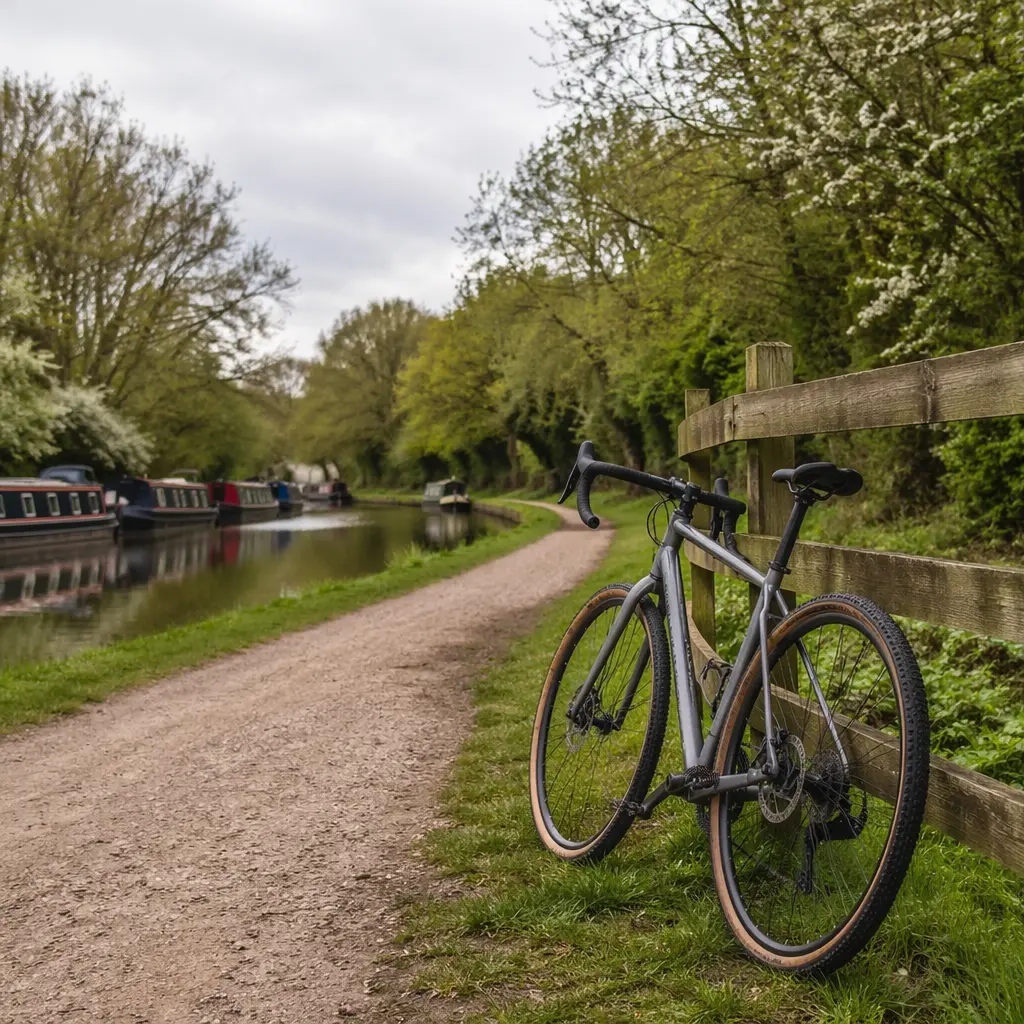
Gravel bikes promise one bike for roads, lanes and tracks — but keeping the price under £500 means choosing carefully. At this level, you’re balancing versatility against simpler components and heavier frames. This guide explains the main compromises to expect, and which features matter most for UK riding.
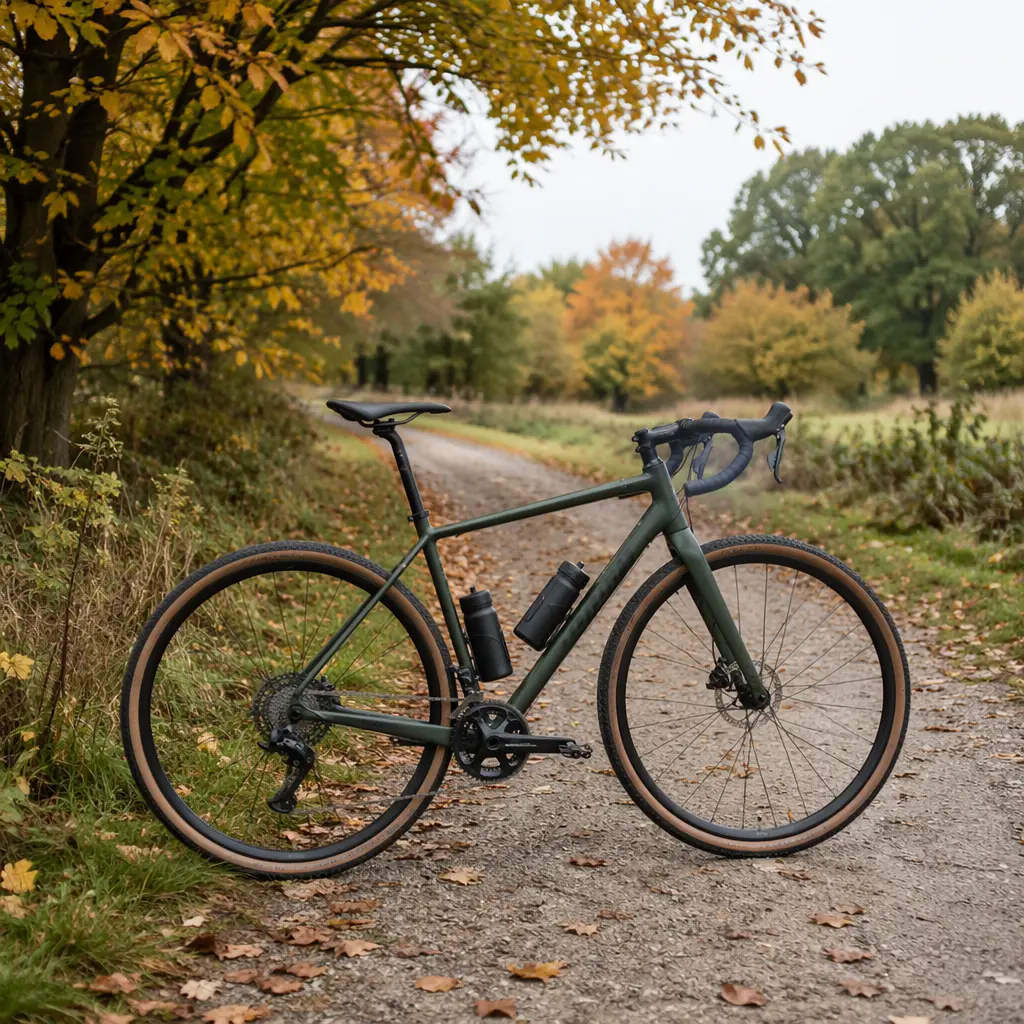
What to look for
Under £500, you won’t get everything, so prioritise the basics that affect comfort, control and durability. The details below make the biggest difference on entry-level gravel bikes.
- Gearing: Expect wide-range gearing using budget road or MTB parts. A double chainset is common; 1x systems are rarer at this price.
- Frame material: Aluminium dominates for lower weight and lower cost. Steel appears occasionally and can feel more forgiving but is usually heavier.
- Brake type: Mechanical disc brakes are standard. They offer reliable stopping in the wet but less power and feel than hydraulics.
- Geometry: Entry-level gravel geometry tends to be more upright and stable, closer to an endurance road bike than a race gravel bike.
- Fit: Limited sizes may be available, so check reach and stack figures rather than relying on labels like S or M.
- Weight: Expect a complete bike to feel heavier, especially with steel forks or budget wheelsets.
- Included accessories: Mudguard and rack mounts are common and worth having for year-round UK use.
Budget and what you're getting
In the £300–£500 range, most of your money goes on the frame and basic components. Wheels, tyres and finishing kit are typically the biggest cost-cutting areas. That’s not a deal-breaker — these parts can be upgraded later — but it explains why entry-level gravel bikes may feel slower or harsher out of the box. You’re paying for versatility rather than outright performance, and that’s a fair trade for mixed-surface riding and commuting.
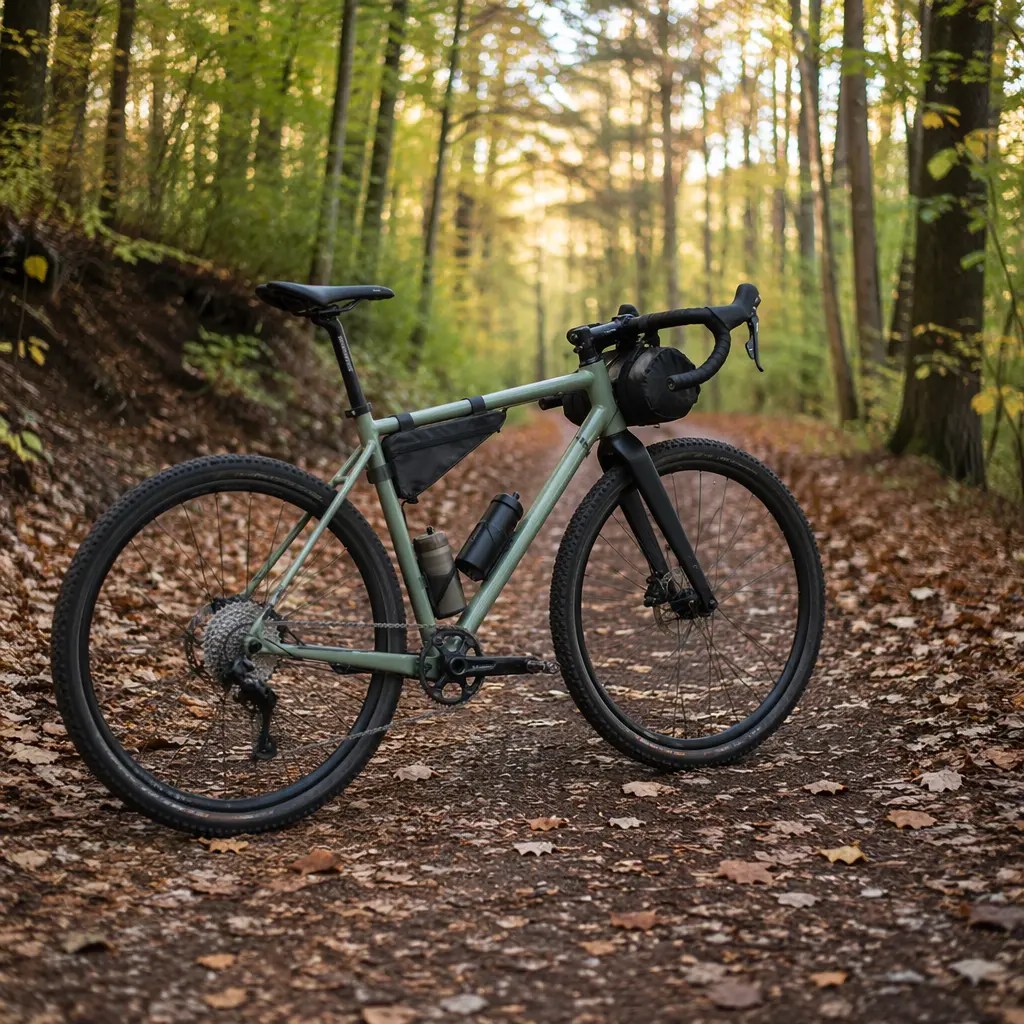
Standout categories or types
Not all budget gravel bikes aim to do the same job. Knowing the common sub-types helps you match the bike to how you’ll actually ride.
- Road-leaning gravel bikes: Narrower tyre clearance and racier geometry. Better on tarmac and light gravel, less confidence on rough tracks.
- Utility-focused gravel bikes: Extra mounts for racks and mudguards, relaxed handling and tougher wheels. Heavier, but practical for commuting and touring.
- Rigid-only builds: Suspension forks are almost never worth it at this price. Rigid forks are lighter, simpler and more reliable.
Frequently asked questions
Is £500 enough for a proper gravel bike?
Yes, as long as expectations are realistic. You’ll get a capable all-rounder with basic components rather than a lightweight or race-ready machine. For UK lanes, towpaths and commuting, that’s often enough.
What tyre clearance should I expect?
Many entry-level frames clear tyres around 35–40mm. That’s fine for hardpack gravel and rough roads. Wider clearance is a bonus but less common under £500.
Are mechanical disc brakes good enough?
For most riders, yes. They work reliably in wet UK conditions and are easy to maintain. They lack the power and modulation of hydraulic discs but are a sensible compromise at this price.
Can I upgrade later?
Wheels, tyres and contact points are common upgrade paths. Just check the frame and hubs use standard fittings so you’re not locked into proprietary parts.
A gravel bike under £500 won’t be perfect, but it can be genuinely useful. Focus on fit, sensible gearing and practical features, and you’ll end up with a bike that handles UK roads and tracks without stretching your budget.
Find these on Amazon
As an Amazon Associate, CheapBikes earns from qualifying purchases.