Best Gravel Bikes £500–£1,000 for UK Lanes and Bridleways
A practical buyer’s guide to gravel bikes priced £500–£1,000. Learn what to prioritise in fit, gearing, brakes and tyre clearance for UK lanes, towpaths and bridleways.
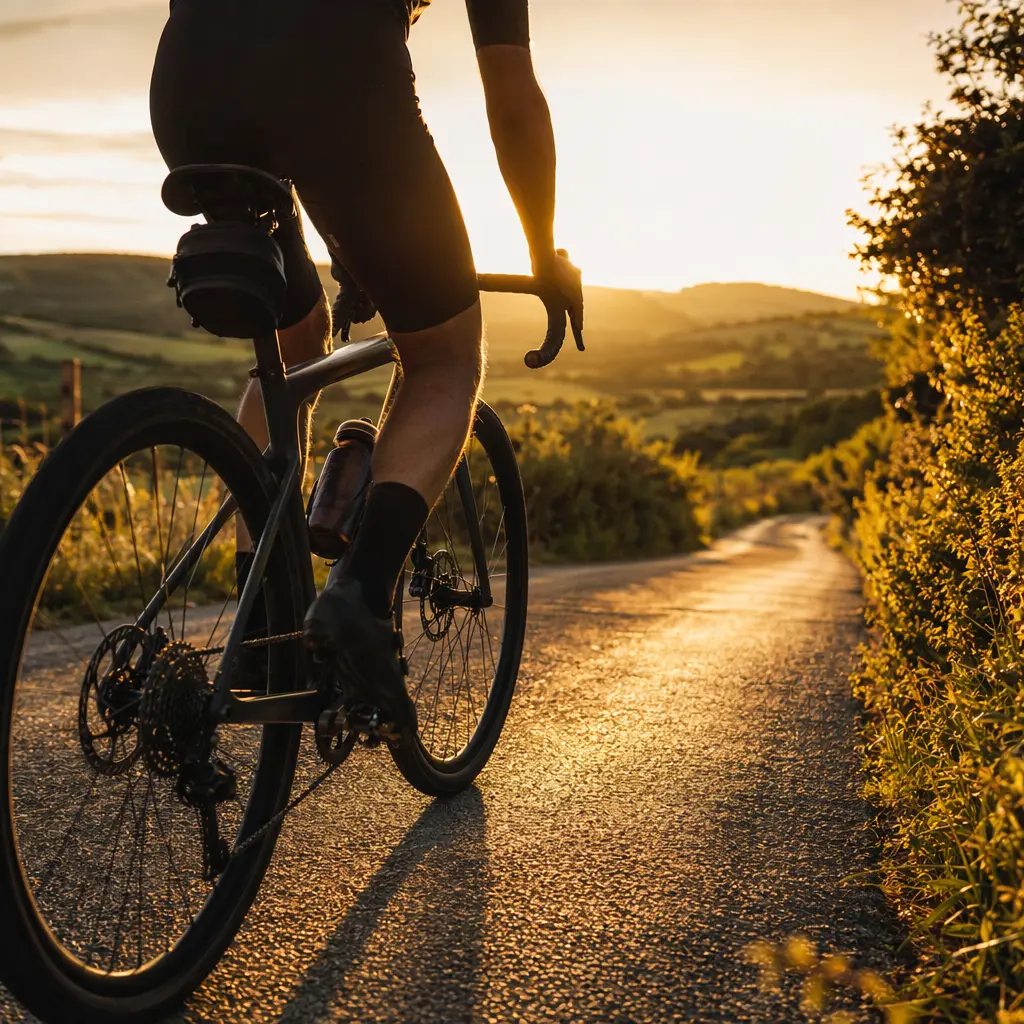
Gravel bikes in the £500–£1,000 bracket sit at a sweet spot for UK riders who want one bike for quiet lanes, canal towpaths and bridleways. At this price you can expect a capable, versatile bike, but choices around fit, gearing and tyres matter more than chasing headline specs.
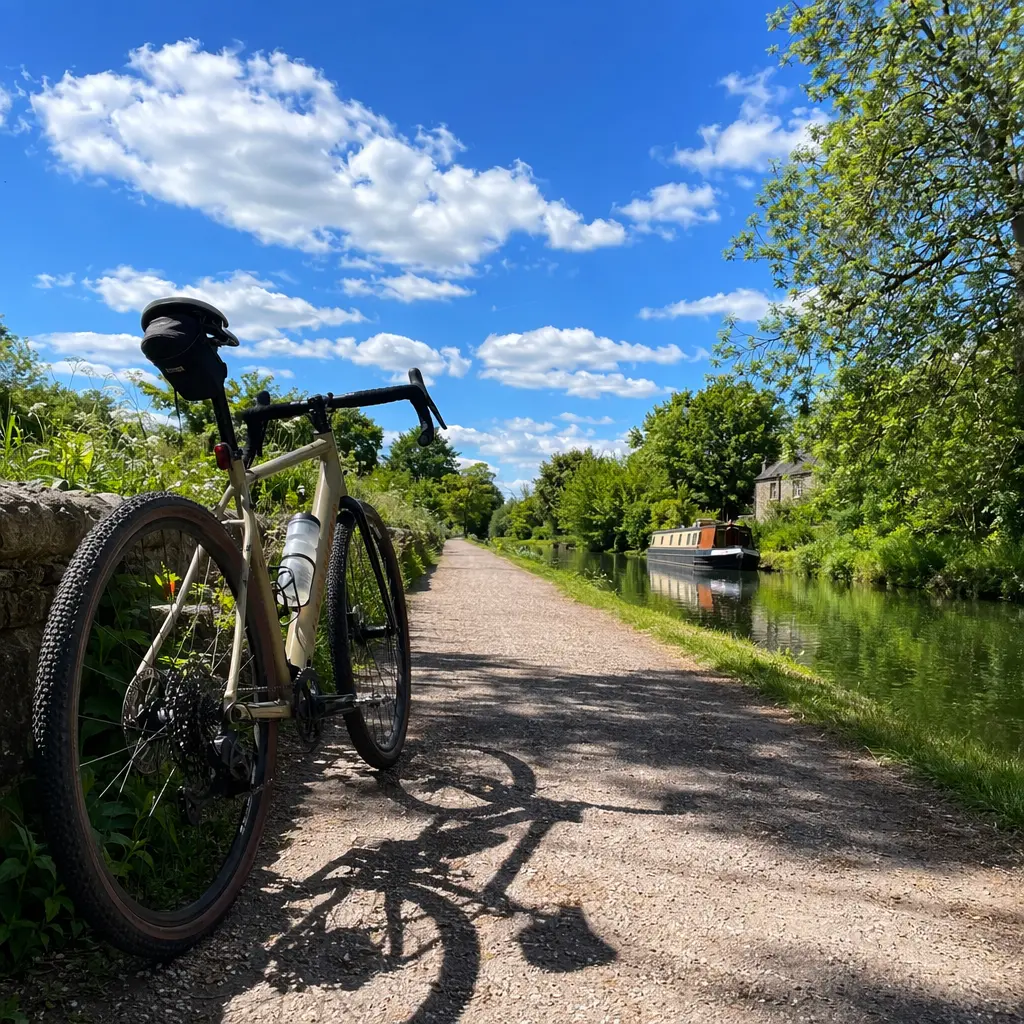
What to look for
Gravel bikes cover a wide range of riding styles. Focusing on a few core features will help you pick a bike that feels comfortable on the road and confident once the tarmac ends.
- Gearing: Look for low gears for climbing rough tracks and steep UK lanes. Wide-range cassettes or sub-compact chainsets make long days easier.
- Frame material: Aluminium is most common at this price, offering good value and low weight. Steel appears occasionally and can add comfort, but is often heavier.
- Brake type: Mechanical disc brakes are common and easier to maintain. Some bikes stretch to entry-level hydraulic discs, which offer stronger braking in wet conditions.
- Geometry: A slightly more upright position than a road bike improves control on loose surfaces and reduces strain on longer rides.
- Fit: Correct frame size matters more than components. Reach, stack and standover height should suit your body and riding style.
- Weight: Expect something sturdy rather than ultra-light. A few extra kilos are normal and rarely noticeable on mixed terrain.
- Included accessories: Mounts for mudguards, panniers and multiple bottle cages add year-round usefulness.
Budget and what you're getting
Between £500 and £1,000, manufacturers balance cost with durability. Frames and wheels are usually solid rather than flashy, while drivetrains may mix components from different tiers. You may see mechanical disc brakes instead of hydraulics, and heavier wheelsets, but the payoff is reliability and easier servicing. Spending toward the top of the range often brings smoother shifting, lighter parts and better tyre clearance, rather than a dramatic leap in speed.
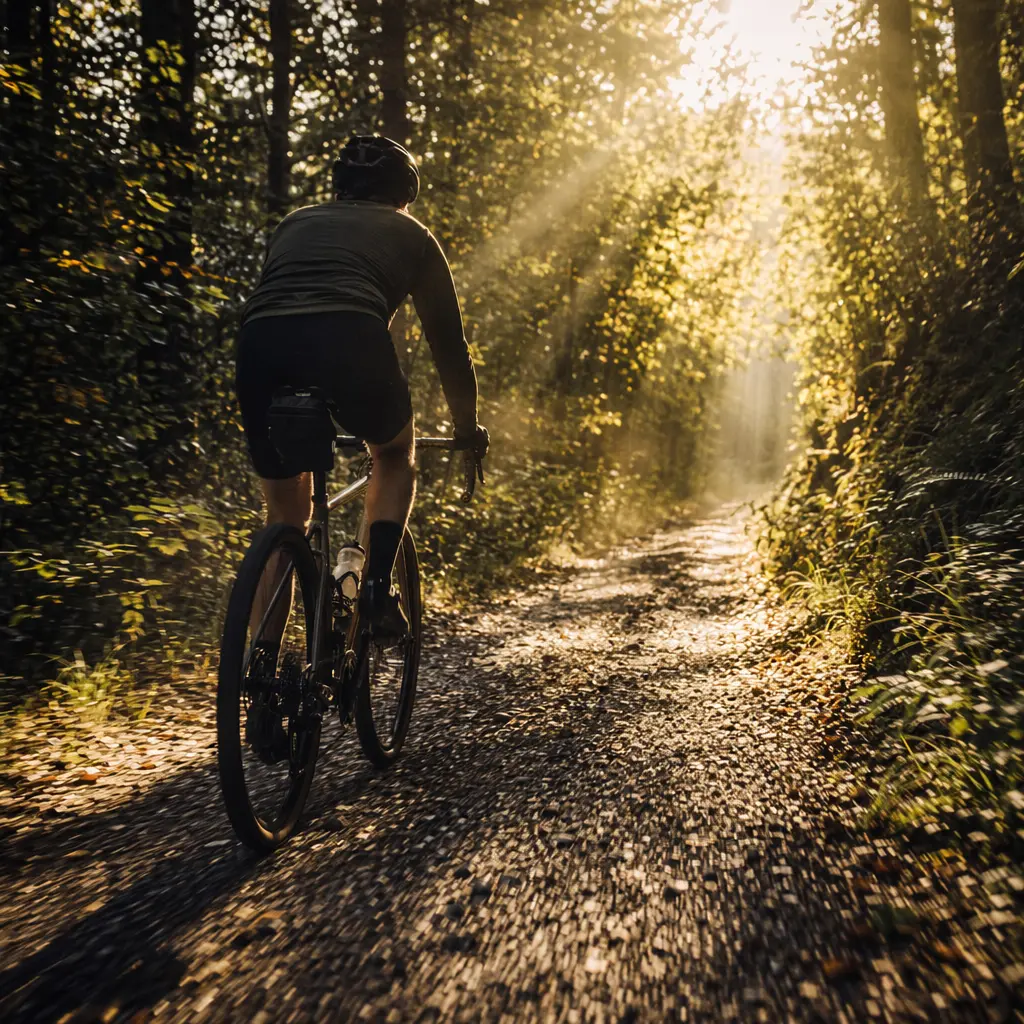
Standout categories or types
Not all gravel bikes in this price band aim to do the same job. Understanding the main styles helps narrow your search.
- Road-leaning gravel bikes: Faster on tarmac, with narrower bars and racier geometry. Best if most riding is on lanes with occasional light gravel.
- Adventure-focused gravel bikes: Slacker geometry, wider tyre clearance and more mounting points. Better for bridleways, bikepacking and rougher tracks.
- Rigid forks vs suspension forks: Most gravel bikes here use rigid forks, which are lighter and simpler. Entry-level suspension forks add comfort off-road but also weight and maintenance.
Frequently asked questions
How wide should gravel tyres be?
For UK conditions, tyres between 35mm and 45mm work well. Narrower tyres roll faster on the road, while wider options add grip and comfort on bridleways and towpaths.
Are gravel bikes suitable for commuting?
Yes. Many have mounts for mudguards and panniers, making them practical year-round commuters that can also handle weekend adventures.
Do I need hydraulic disc brakes?
Hydraulic brakes offer stronger and more consistent braking, especially in the wet. Mechanical discs are simpler and cheaper to maintain, and are perfectly adequate for most riders.
Can one gravel bike replace a road bike and a mountain bike?
A gravel bike can cover a lot of ground, but it won’t match a road bike’s speed or a mountain bike’s capability on technical trails. Think of it as a versatile all-rounder.
Choosing a gravel bike in the £500–£1,000 range is about prioritising fit, sensible gearing and tyre clearance over flashy extras. Get those right, and you’ll have a bike that feels at home on UK lanes, bridleways and everything in between.
Find these on Amazon
As an Amazon Associate, CheapBikes earns from qualifying purchases.