What Makes a Good Folding Bike for Daily Train Commuting?
A buyer-focused guide to choosing a folding bike for train commutes, covering fold speed, wheel size, carry weight, comfort and real-world trade-offs—without brand hype.
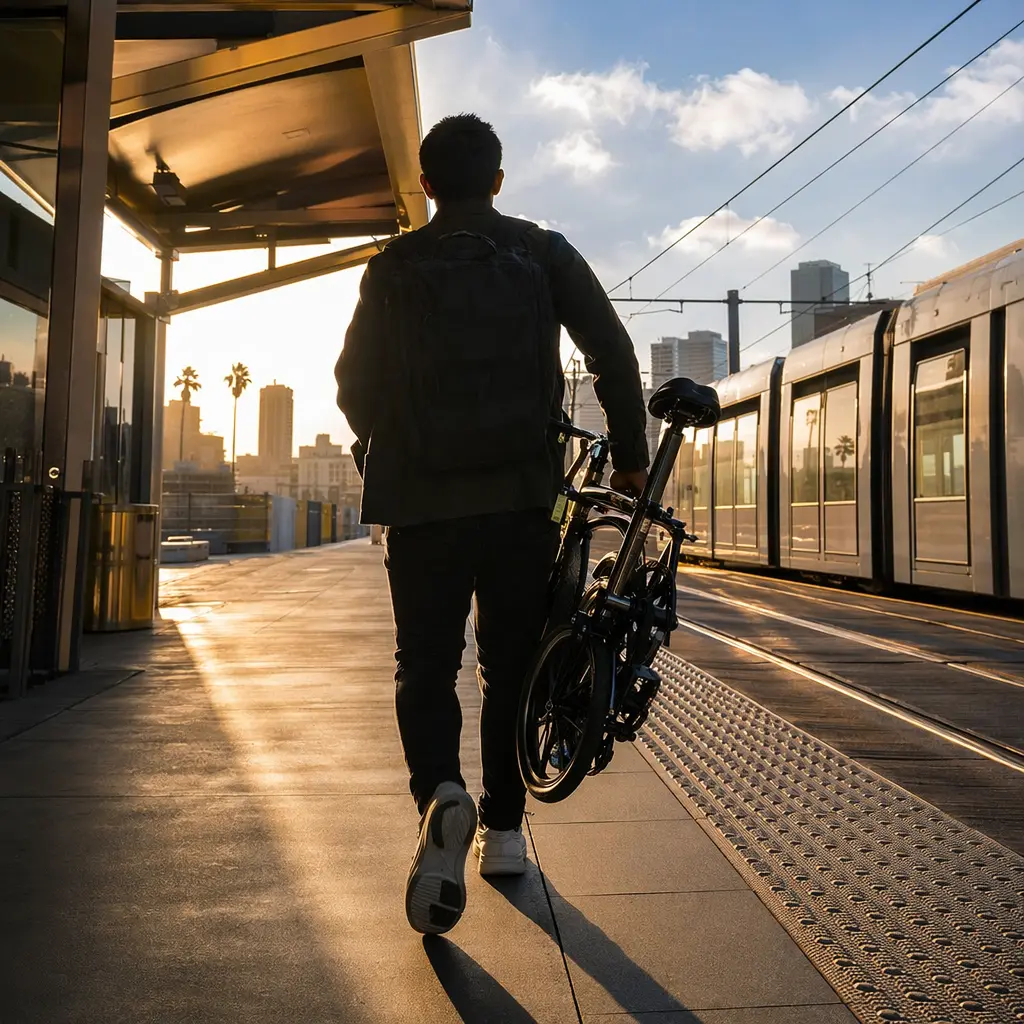
For daily train commuting, a folding bike has to work smoothly as both a bike and a piece of luggage. It needs to fold quickly at busy platforms, roll or carry easily through stations, and still feel stable and comfortable on the ride. Budgets vary widely—from entry-level options to premium designs—but the same core features matter whatever you spend.
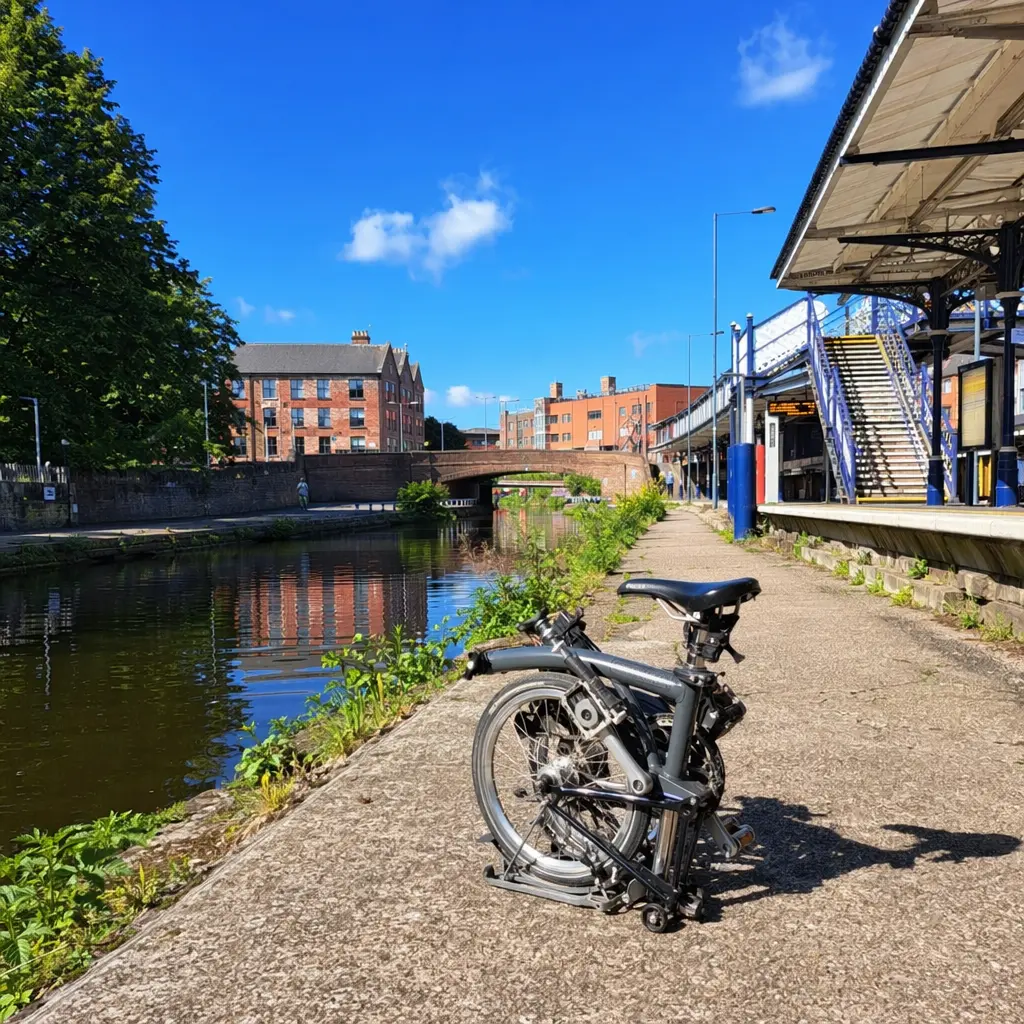
What to look for
Daily routines expose weaknesses quickly. When choosing a folding bike for trains, focus on features that save time, reduce effort and keep the ride predictable rather than chasing novelty.
- Gearing: Enough range for stop-start city riding and short hills; hub gears are low-maintenance, while derailleur systems are lighter and cheaper.
- Frame material: Aluminium is common for lower weight; steel adds durability and ride comfort but increases carry weight.
- Brake type: Rim brakes keep costs down and are easy to maintain; mechanical discs offer better wet-weather performance at a weight and price penalty.
- Geometry: Short wheelbases help compact folds, but look for a design that still feels stable at commuting speeds.
- Fit: Adjustable seatposts and stems matter—folding bikes are often one-size, so adjustment range is key.
- Weight: Lighter bikes are easier on stairs and footbridges; anything heavy will be felt every single day.
- Included accessories: Mudguards and a rear rack save money later and make wet-weather commuting far more practical.
Budget and what you're getting
At lower price points, expect heavier frames, simpler hinges and fewer gears. These bikes can still commute reliably, but carrying them through stations takes more effort. Mid-range options usually improve fold speed, weight and component quality. Premium folding bikes justify their cost with very fast, intuitive folds, excellent rolling when folded and long-term durability—but the gains are about convenience rather than raw speed.
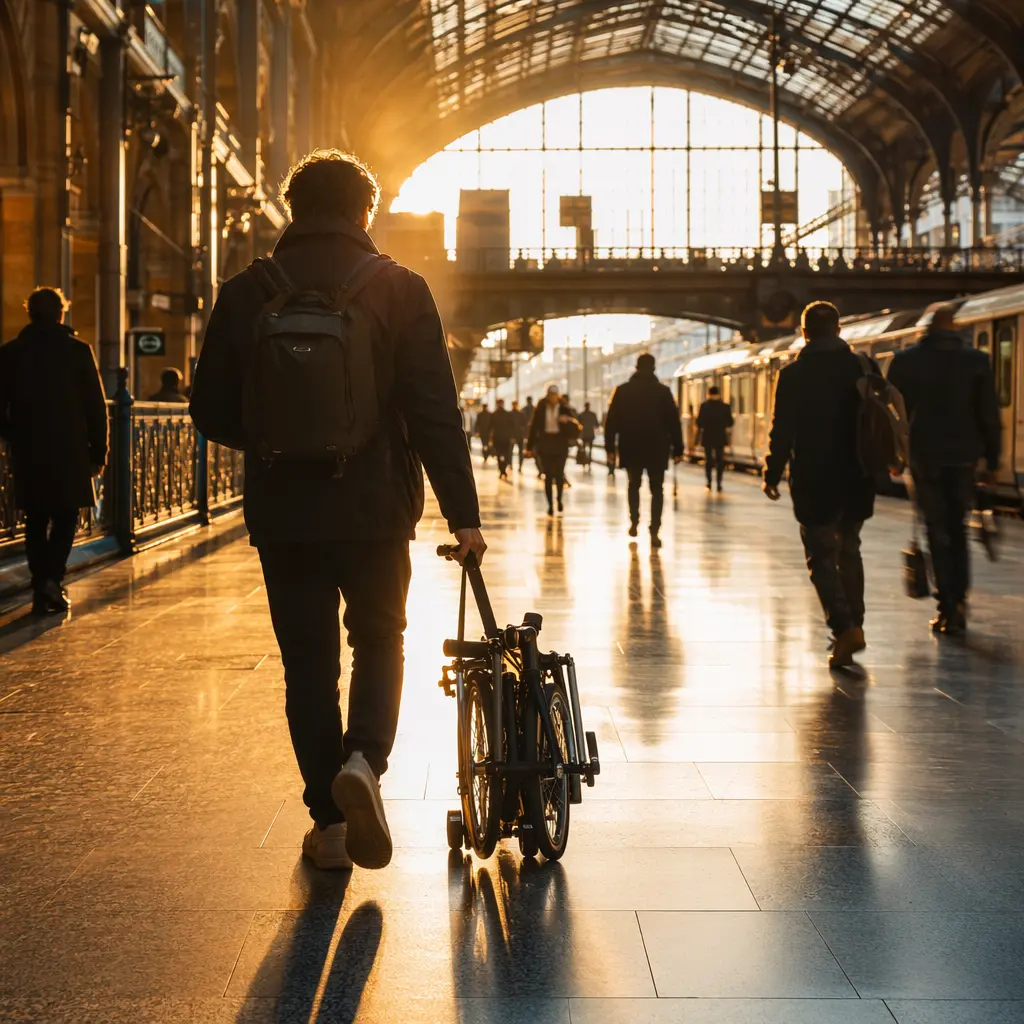
Standout categories or types
Folding bikes tend to cluster into a few practical types. Understanding these helps narrow down what suits your commute rather than getting distracted by marketing.
- Small-wheel folders (around 16 inch): Extremely compact folds and easy carrying, ideal for crowded trains, but a firmer ride on rough roads.
- Mid-size wheel folders (around 20 inch): A balance between compactness and comfort, rolling better on longer rides while still fitting train rules.
- Ultra-fast folding designs: Prioritise speed and simplicity, often with clever latches and magnets, but usually cost more.
- Utility-focused folders: Slightly bulkier when folded but include racks, mudguards and stronger wheels for everyday loads.
Frequently asked questions
How fast should a folding bike fold for train use?
Ideally under 20 seconds once practised. Faster folds reduce stress when trains arrive and help you clear gates and aisles without blocking others.
Is wheel size or fold size more important?
For busy routes, fold size usually matters more. Smaller wheels help achieve a compact package, but 20-inch wheels are often a good compromise for longer rides.
Are folding bikes allowed on all UK trains?
Most UK operators allow folding bikes at any time if they are folded. Unfolded bikes often face peak-time restrictions, so folding capability adds flexibility.
Do heavier folding bikes become a problem?
Yes, especially where stairs are involved. Even an extra couple of kilos is noticeable when lifting daily, so weight should be taken seriously.
A good folding bike for daily train commuting fits smoothly into your routine. Prioritise fold speed, manageable weight and practical accessories, and you’ll gain a reliable link between rail and road that saves time rather than adding hassle.
Find these on Amazon
As an Amazon Associate, CheapBikes earns from qualifying purchases.