What to look for in a £500–£1,000 folding bike
A practical buyer’s guide to £500–£1,000 folding bikes for UK city riding, covering hinges, wheel sizes, gearing, brakes, fit and the real trade-offs at this price.
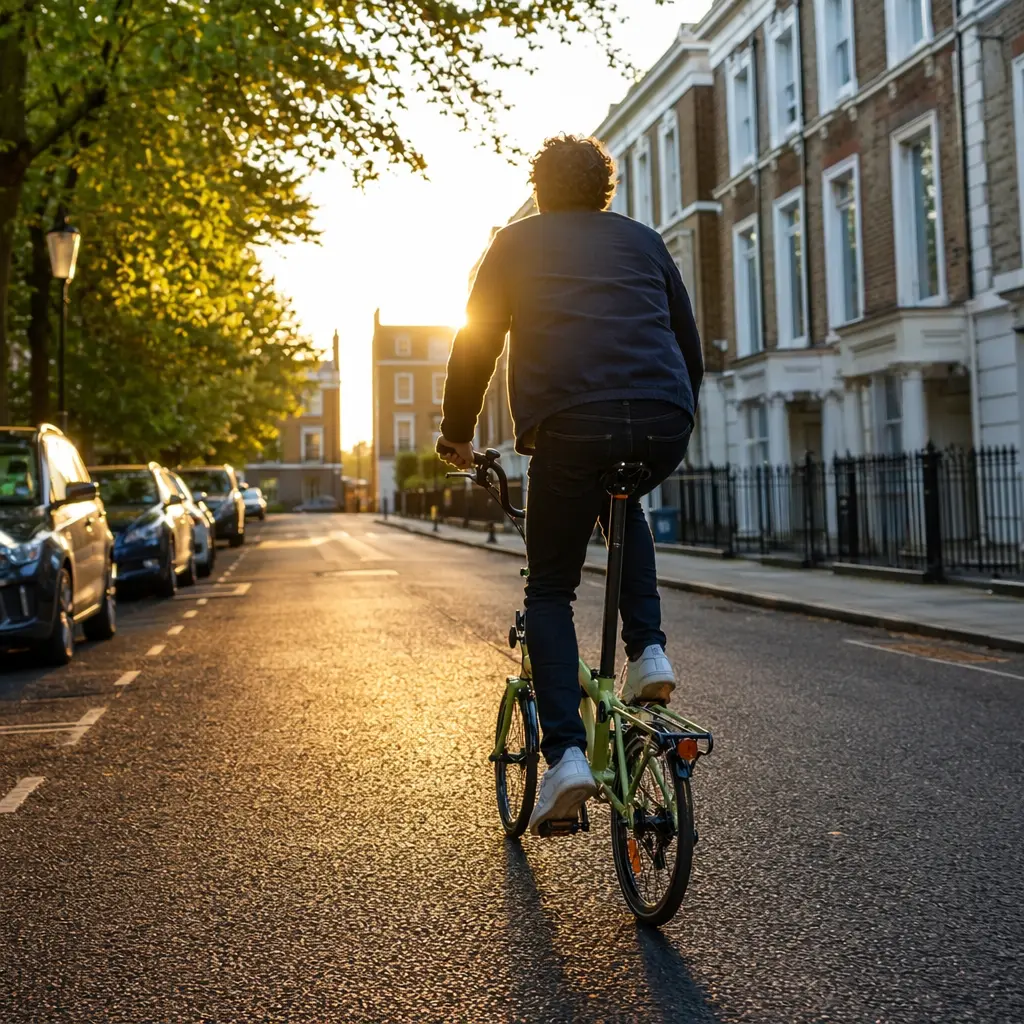
Folding bikes make sense for mixed journeys: train plus bike, bus plus bike, or simply saving space at home or work. In the £500–£1,000 range, you’re paying for better hinges, smoother folding and a ride that feels closer to a full-size bike, without jumping into premium pricing. This guide explains what matters most at this budget, so you can choose a folding bike that works for everyday city use rather than just looking clever when folded.
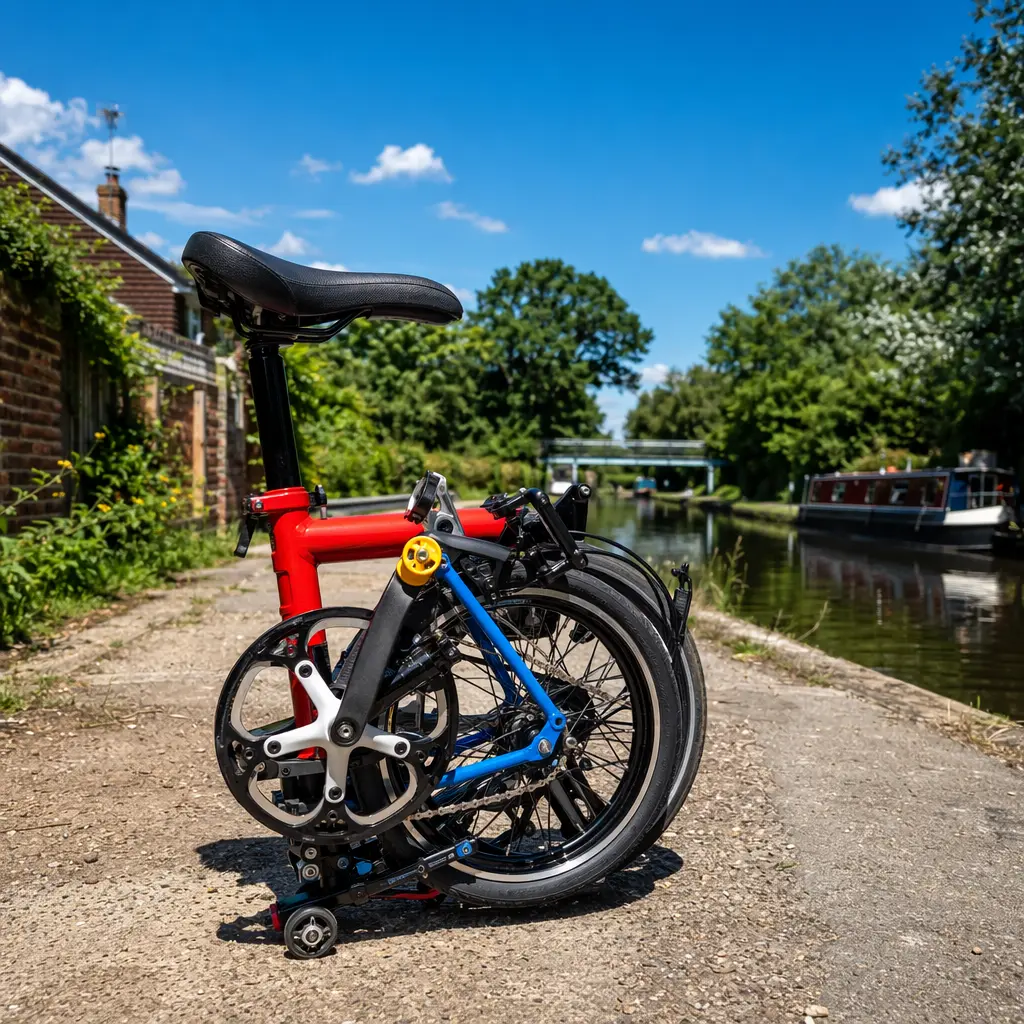
What to look for
At this price, folding bikes vary more in feel than standard hybrids. Small design choices have a big impact on comfort, durability and how pleasant the bike is to live with day to day.
- Hinges and locks: The main frame hinge and handlebar stem hinge should feel solid with no play. Look for chunky clamps and clear safety catches; sloppy hinges can creak and affect steering.
- Wheel size: Common options are 16in, 18in and 20in wheels. Smaller wheels fold more compactly; larger wheels ride more smoothly over rough roads.
- Gearing: Many bikes use hub gears for low maintenance, while others use derailleur systems for wider range. For city riding, a modest gear range is usually enough.
- Brake type: Rim brakes are light and simple; mechanical disc brakes offer stronger braking in the wet but add weight and complexity.
- Geometry and ride position: A more upright position suits stop-start traffic, while a slightly longer, lower setup feels more stable at speed.
- Fit and adjustability: Folding bikes rely on long seatposts and adjustable stems. Check the stated rider height range carefully.
- Weight: Expect around 11–14kg. Lighter bikes are nicer to carry on stairs or platforms, but often cost more.
- Included accessories: Mudguards, luggage racks and lights add value and save money later if you plan to commute year-round.
Budget and what you're getting
Spending £500–£1,000 usually gets you a well-made aluminium frame, reliable components and a folding system you can trust for daily use. Compared with cheaper options, the bike should fold faster, feel stiffer when riding and last longer under regular commuting. The trade-off is that you won’t get ultra-light weight or the most compact fold available on the market. Finishes may be simpler, and some parts (like tyres or grips) may be basic, but the core bike should be sound.
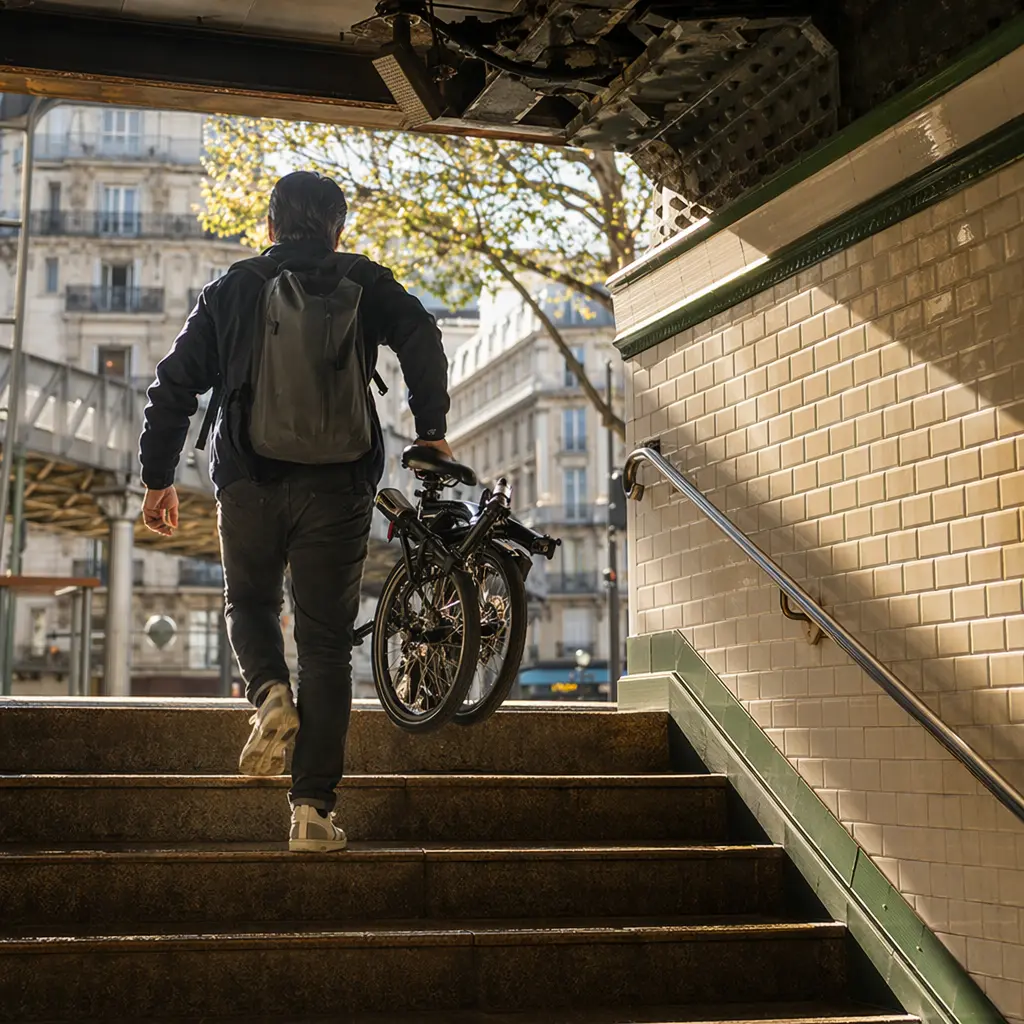
Standout categories or types
Within this budget, folding bikes tend to fall into a few broad types, each with strengths for different city riders.
- Compact urban folders: Smaller wheels and tighter folds suit train commuters and small flats, but the ride can feel lively on rough roads.
- Comfort-focused folders: Often with 20in wheels, wider tyres and a longer wheelbase for stability and confidence on longer rides.
- Low-maintenance designs: Hub gears and enclosed chains reduce upkeep, ideal for all-weather commuting.
- Sportier folders: Lighter frames and derailleur gears feel quicker, but may need more regular cleaning and adjustment.
Frequently asked questions
Are folding bikes comfortable enough for daily commuting?
Yes, especially in this price range. With sensible tyre widths and a well-designed frame, most riders find them comfortable for typical city distances of 3–10 miles.
Do small wheels make riding unsafe?
Not inherently. Smaller wheels accelerate quickly and handle well in traffic, but they are more sensitive to potholes. Good tyres and careful riding matter more than wheel size alone.
How small do these bikes actually fold?
Most fold compactly enough for trains, offices and car boots, but sizes vary. Check folded dimensions if storage space is tight or if your train operator has limits.
Are folding bikes slower than normal bikes?
In stop-start city riding, the difference is small. Larger-wheel folders in particular can keep up with hybrids on urban routes.
A £500–£1,000 folding bike can be a smart, long-term solution for urban travel if you focus on build quality and real-world usability. Prioritise a solid fold, the right wheel size for your routes and practical extras you’ll actually use, and you’ll end up with a bike that fits city life rather than fighting it.
Find these on Amazon
As an Amazon Associate, CheapBikes earns from qualifying purchases.