Is an e-bike worth it for hilly suburban commuting?
For hilly suburban commutes, an e-bike can cut journey times and sweat, not just add weight. Here’s when electric assistance genuinely pays off, what you get for the money, and the trade-offs to expect.
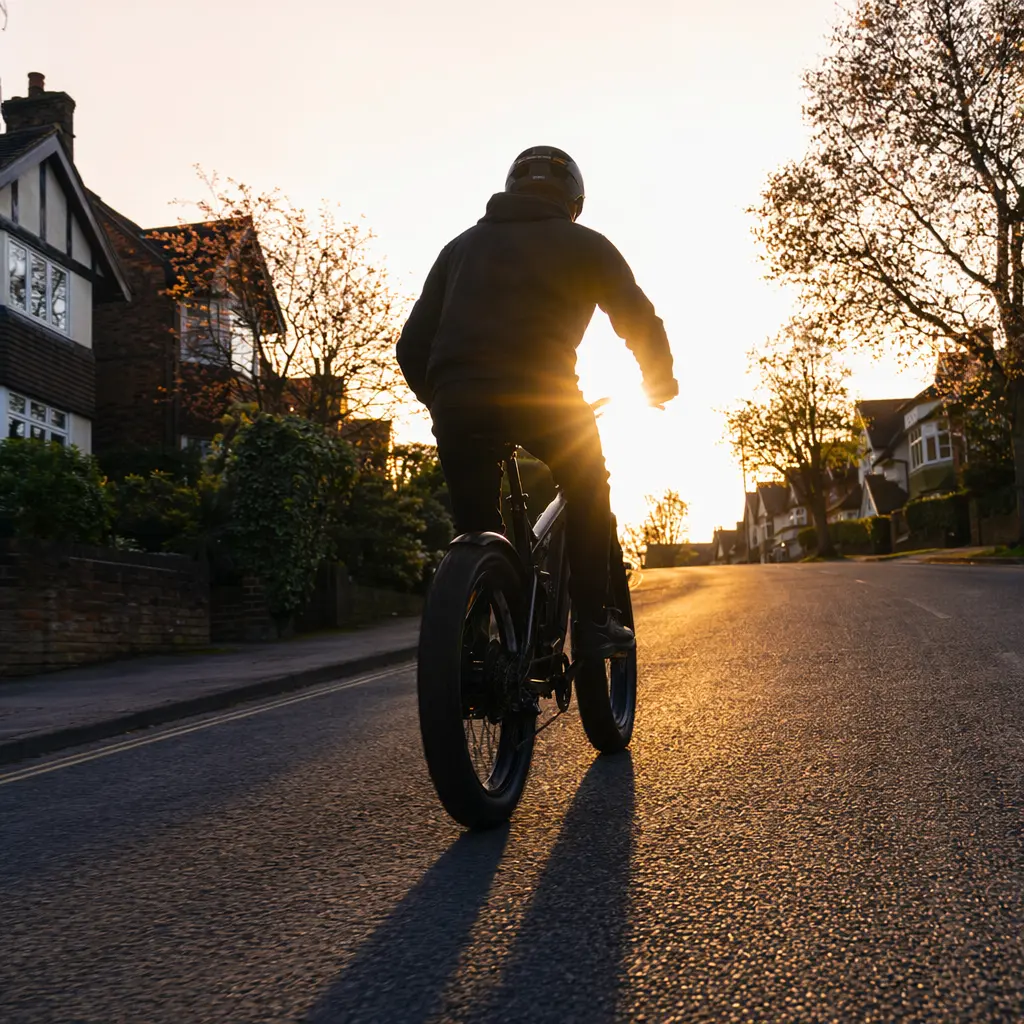
For many suburban riders, the daily commute is short on miles but long on climbs. Steep hills, stop-start junctions and carrying work kit can turn a simple ride into a sweaty slog. That’s where e-bikes promise more than novelty: arriving faster, fresher and more consistently. The key question is whether the motor genuinely saves time and effort — or just adds cost and weight to a journey you could already manage.
What you actually get at this price
Most commuter e-bikes aimed at suburban riding sit well above the price of a basic pedal bike, but the extra spend buys more than a motor. At entry to mid-level pricing, the focus is on reliability and practicality rather than cutting-edge tech. Assistance is designed to smooth out hills and headwinds, not turn the bike into a motorbike.
On the road, that translates into steady support up climbs, quicker getaways from traffic lights and a more predictable arrival time — especially useful if your route includes multiple short, punchy hills rather than one long ascent.
- Motor system: hub motors are common at lower prices; mid-drive motors cost more but feel more natural on hills
- Battery: typically 400–500Wh, enough for several days of short commutes if charged sensibly
- Brakes: mechanical or entry-level hydraulic discs; adequate for urban speeds but not lightweight
- Frame: aluminium frames prioritising strength over low weight
- Gearing: wide-range gearing to work with the motor on climbs
- Extras: many come with mudguards, rack mounts and integrated lights for year-round commuting
How to choose
For hilly suburban routes, the way assistance is delivered matters more than outright top speed. A bike that feels calm and controlled on a climb is more useful than one that surges aggressively. Mid-drive systems tend to excel here, using the bike’s gears to keep the motor in an efficient range, though hub motors can still cope well with moderate gradients.
Fit and geometry are just as important. An upright, stable position suits stop-start traffic and gives confidence on descents. Step-through frames are popular for commuting, especially when carrying panniers. Consider where you’ll store and charge the bike too — e-bikes are heavier, and lifting one up stairs quickly removes the convenience.
What to look out for
- Weight: many commuter e-bikes are 22–26kg, which is noticeable if the battery runs flat
- Basic displays: cheaper screens can be hard to read in bright sunlight
- Limited battery removal: awkward charging if you can’t bring the bike indoors
- Budget tyres: often swapped early for better puncture protection
- Few gears paired with hub motors, making very steep hills harder than expected
Worth spending more on
If budget allows, spending a little extra in the right places can make an e-bike far more enjoyable for daily use. Brakes are a good example: hydraulic discs offer better control on long descents and in wet weather, which matters on hilly routes. A higher-quality battery can also mean slower degradation over time, keeping real-world range usable after a couple of winters.
Beyond the bike itself, comfort upgrades punch above their weight. Better tyres with puncture protection reduce roadside delays, while a supportive saddle and ergonomic grips make longer commutes less tiring — even with assistance.
Frequently asked questions
Will an e-bike actually save time on a hilly commute?
On routes with repeated climbs and junctions, yes. Assistance helps you maintain a steadier average speed and reduces recovery time after hills, often making journeys more predictable than on a regular bike.
Do you still get exercise on an e-bike?
You do. Most riders pedal throughout, just at a lower intensity on climbs. Many end up riding more often because hills are no longer a barrier.
What happens if the battery runs out?
The bike will still ride, but the extra weight is noticeable — especially uphill. Choosing a battery with realistic range for your commute avoids this becoming a regular issue.
Are e-bikes expensive to maintain?
Routine servicing costs are similar to a standard bike, though drivetrain parts can wear faster due to extra torque. Battery replacement is the biggest long-term cost, typically after several years.
For hilly suburban commuting, an e-bike can be genuinely transformative — turning hard work into steady progress. Choose with care, prioritise hill-friendly assistance and practical features, and the motor earns its keep rather than just adding weight.
Find these on Amazon
As an Amazon Associate, CheapBikes earns from qualifying purchases.