Best electric bikes under £900 in 2026
A clear-eyed look at what £900 buys in an e‑bike in 2026: who this budget suits, the compromises to expect, and how to choose a legal, usable electric bike without paying premium-brand prices.
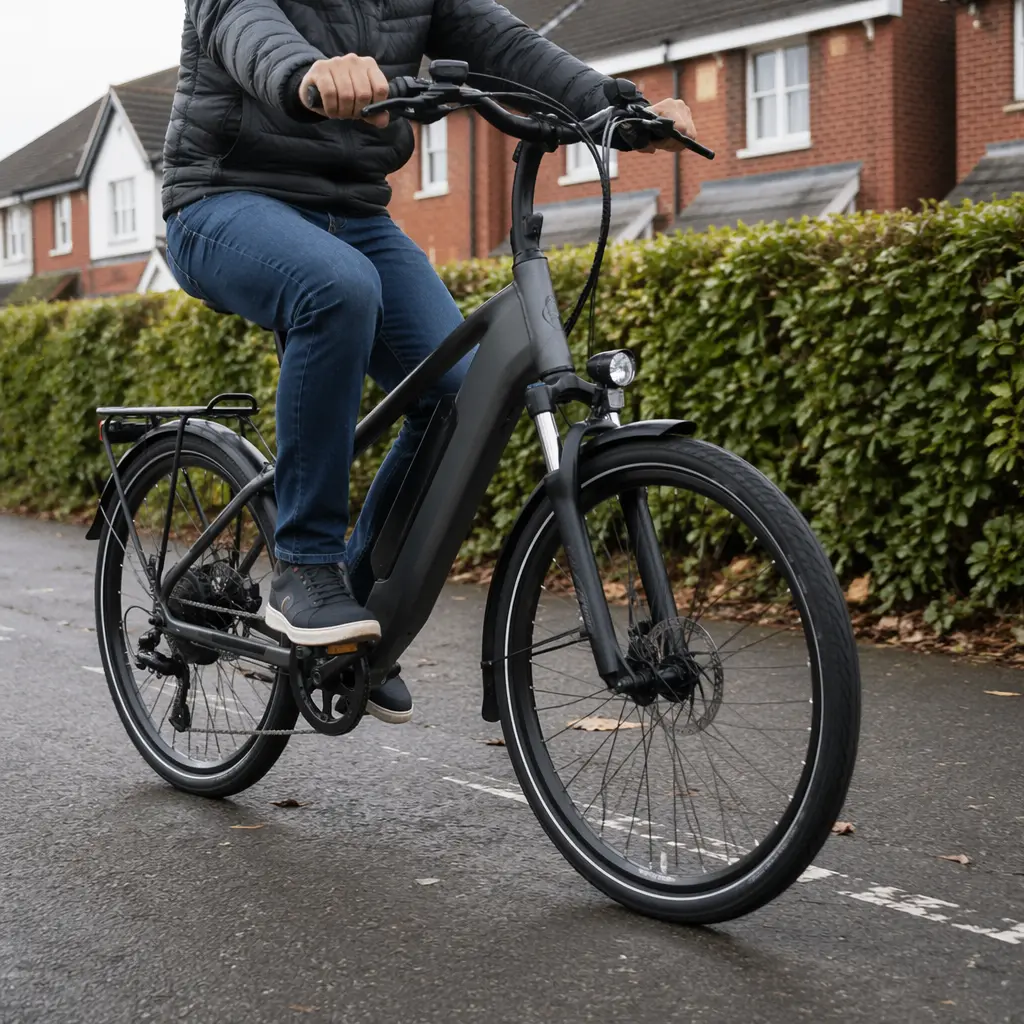
Electric bikes no longer start at four figures. In 2026, £900 is a realistic entry point for riders who want a legal, pedal‑assist e‑bike for commuting, errands or gentle leisure rides — without paying premium‑brand prices. This guide explains what that budget really buys, where corners are cut, and how to avoid the worst false economies.
What you actually get at this price
Under £900, e‑bikes are built to meet the UK’s legal minimums rather than push performance. That’s not a bad thing if expectations are realistic. These bikes are designed to flatten hills, reduce effort against headwinds and make everyday trips more accessible — not to replace a car or deliver sporty handling.
Most options share a similar formula: a hub motor, a modest battery and basic but functional components. Weight is higher than on pricier bikes, but running costs stay low and maintenance is straightforward.
- Motor: 250W rear or front hub motor, pedal‑assist only (UK legal limit)
- Sensor type: cadence sensor rather than torque sensing
- Battery: typically 7–10Ah (around 250–360Wh), often semi‑integrated
- Range: roughly 20–40 miles depending on assist level, rider weight and terrain
- Frame: aluminium, usually step‑through or traditional diamond
- Gears: 6–8 speed drivetrain with basic shifters
- Brakes: cable disc or rim brakes rather than hydraulics
- Extras: some bikes include mudguards, racks or lights, but rarely all three
How to choose
The most important decision is how you plan to use the bike. For short urban commutes and errands, a comfort‑focused frame with an upright position makes sense, especially in stop‑start traffic. Step‑through frames are easier for mixed clothing and frequent mounting, while diamond frames feel a little stiffer under load.
Fit matters more than motor brand at this level. Check sizing charts carefully and prioritise reach and standover height. A slightly heavier bike that fits properly will feel better to ride than a lighter one that doesn’t. Also consider storage: many budget e‑bikes have non‑removable batteries, which can be inconvenient if you can’t charge near where the bike is kept.
What to look out for
- Very heavy overall weight, especially if you need to carry the bike upstairs
- Poorly integrated wiring and exposed connectors that don’t like wet weather
- Low‑capacity batteries that claim optimistic range figures
- Basic tyres with little puncture protection
- Limited mounting points for racks or bottle cages
- Unbranded chargers or batteries with unclear warranty support
Worth spending more on
If the bike itself already stretches the budget, small upgrades can still make a big difference. Tyres are the standout: swapping to puncture‑resistant rubber improves reliability immediately and reduces roadside hassle. A better saddle is another low‑cost win, as stock saddles are often chosen to hit a price point rather than comfort.
Security is non‑negotiable. Budget e‑bikes are attractive to thieves, and many ship with only basic wheel locks or none at all. A solid D‑lock or chain rated for e‑bikes is money well spent, as is a decent helmet if one isn’t already owned.
Frequently asked questions
Are e-bikes under £900 legal in the UK?
Yes, provided they meet EAPC rules: a 250W motor, pedal‑assist only, and assistance cutting out at 15.5mph. Reputable UK sellers should clearly state compliance.
Will a cheap e-bike cope with hills?
Moderate hills, yes. Steep or prolonged climbs will be slower and may drain the battery quickly, especially with a cadence sensor that delivers power in a more on‑off way.
How long will the battery last?
Expect two to four years of useful life with regular use. Replacement batteries can be costly, so check availability and pricing before buying.
Is buying used a better option?
Used can offer better components for the money, but battery condition is critical. Without proof of age and charge cycles, a new budget bike can be the safer bet.
In short, £900 buys a functional, legal electric bike that makes everyday cycling easier — as long as expectations are realistic. Choose carefully, budget for essentials, and it can be a smart way into assisted cycling.
Find these on Amazon
As an Amazon Associate, CheapBikes earns from qualifying purchases.