Are £2,000+ e-bikes worth it for UK commuters?
A plain-English guide to whether a £2,000+ e‑bike makes sense for UK commuting, comparing motor quality, battery life, running costs and long‑term value against cheaper options.

For UK commuters, e‑bikes promise faster journeys, less sweat and the confidence to tackle hills and headwinds. But once prices climb beyond £2,000, many riders wonder what they’re actually paying for — and whether a cheaper e‑bike would do the same job. This guide looks at motor quality, battery life and long‑term ownership value to help decide if a £2,000+ e‑bike is worth it for daily commuting.
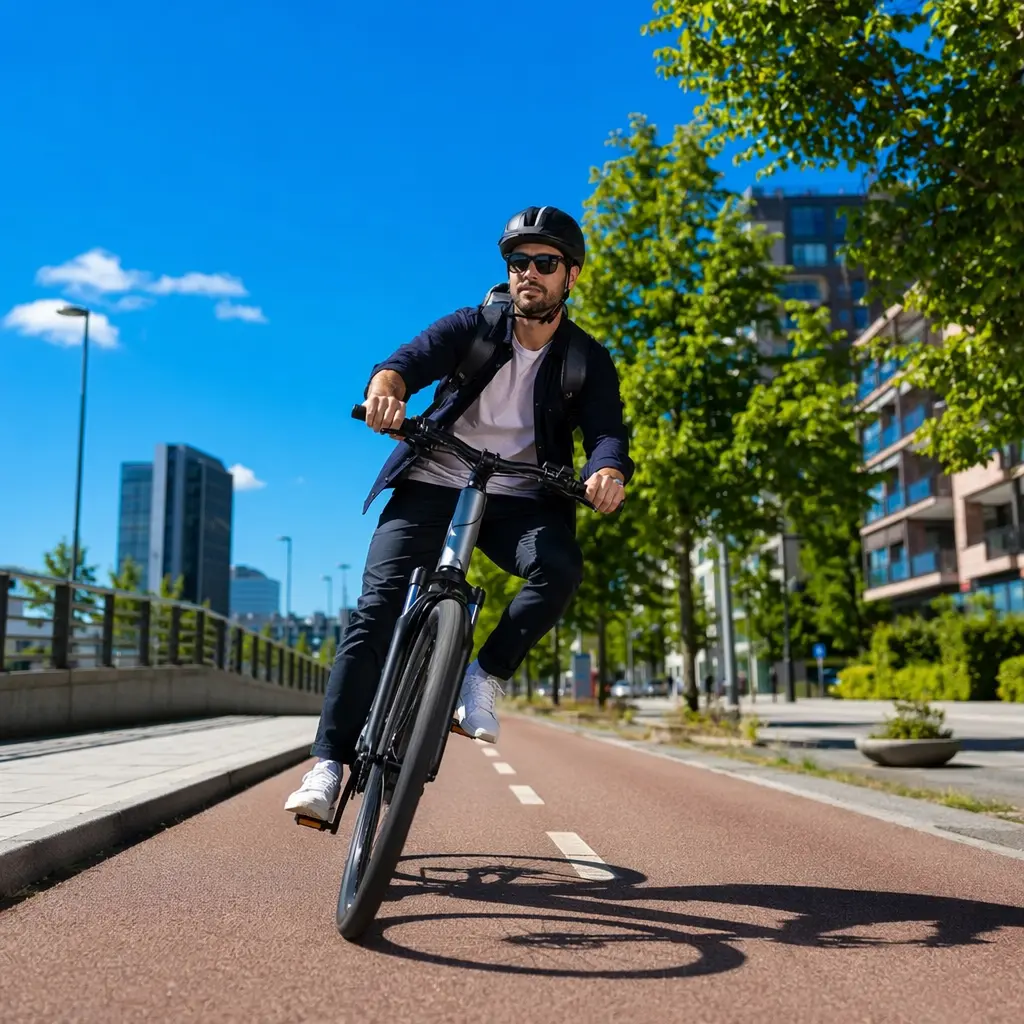
What to look for
Above £2,000, e‑bikes tend to focus less on raw speed and more on refinement, durability and support. These are the areas where pricier commuter e‑bikes usually justify their cost.
- Motor quality: Mid‑drive motors are common at this level, offering smoother assistance, better hill climbing and more natural pedalling than basic hub motors.
- Battery capacity and efficiency: Expect larger batteries or more efficient systems that deliver realistic all‑day commuting range, even in winter.
- Frame material and finish: Hydroformed aluminium or steel frames with neat welds, internal cable routing and long‑term corrosion resistance.
- Brakes: Hydraulic disc brakes are standard, giving stronger and more consistent stopping power in wet UK conditions.
- Geometry and comfort: Upright, stable handling with room for wider tyres to cope with potholes, towpaths and rough tarmac.
- Weight and balance: Better weight distribution from frame‑mounted batteries and motors, making the bike easier to handle off the bike.
- Included accessories: Integrated lights, full mudguards, chain guards and rear racks designed to work with panniers.
Budget and what you're getting
Spending £2,000+ doesn’t usually buy higher top speeds — UK e‑bikes are still limited to assisted pedalling up to 15.5mph. Instead, the extra money goes into how the bike feels over months and years of commuting. Cheaper e‑bikes can be perfectly usable, but may rely on less refined motors, smaller batteries and basic components that wear faster. At the higher price point, you’re paying for smoother power delivery, longer service intervals, better weatherproofing and stronger dealer support. The trade‑off is clear: higher upfront cost, but potentially fewer frustrations and lower maintenance spend over time.
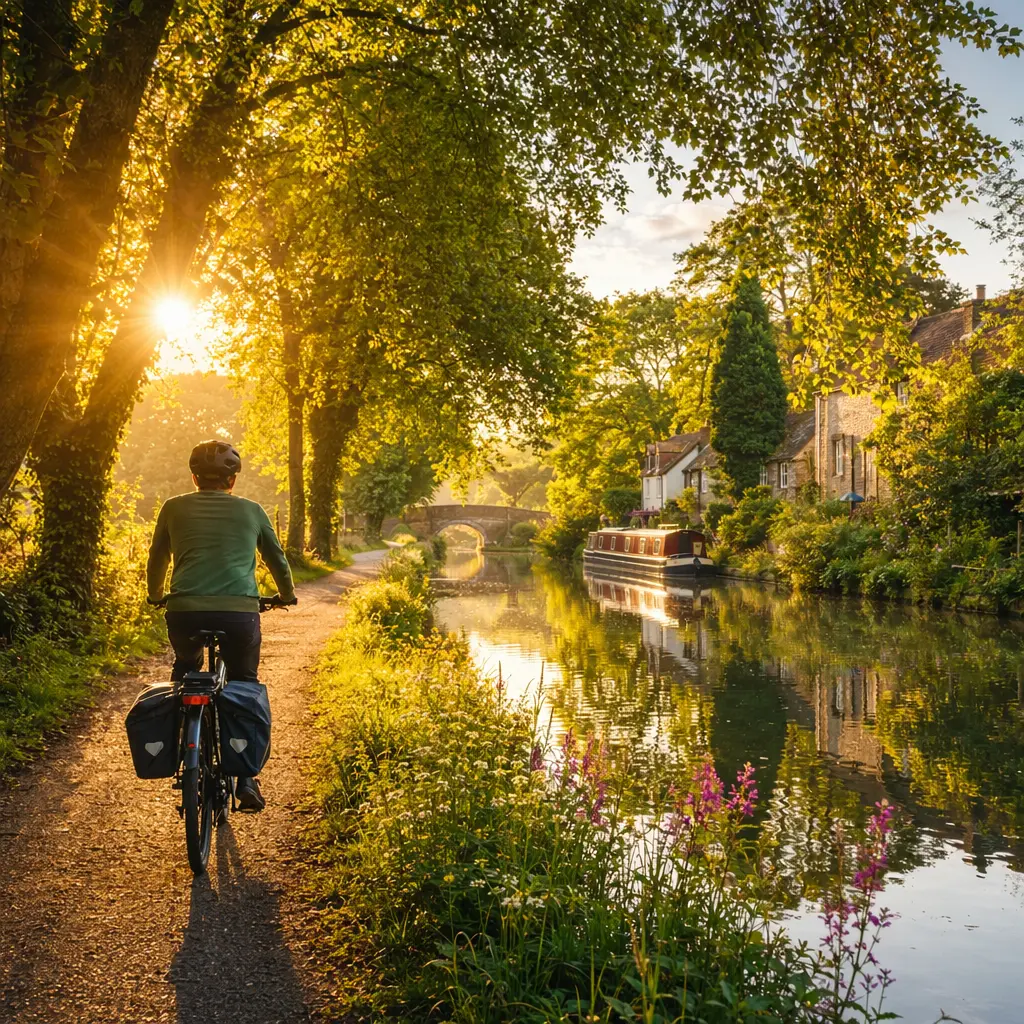
Standout categories or types
Not all £2,000+ commuter e‑bikes are built the same. Understanding the main categories helps narrow down what actually adds value for your journey.
- Mid‑drive commuter e‑bikes: These prioritise balanced handling and efficient climbing, making them well suited to hilly routes and longer distances.
- Hub‑drive comfort commuters: Still found at this price, but usually paired with higher‑capacity batteries and better controllers for smoother assistance.
- Low‑maintenance builds: Belt drives and internal gear hubs cost more upfront but reduce cleaning and servicing for year‑round commuting.
- Fully equipped commuters: Designed to be ridden straight from the shop, with lights, mudguards and racks integrated into the frame.
Frequently asked questions
Will a £2,000+ e‑bike get me to work faster?
Not necessarily in terms of top speed, but it can be faster in practice. Smoother assistance, better gearing and confident braking can reduce stop‑start fatigue and make average speeds easier to maintain.
Is battery life really better on more expensive e‑bikes?
Higher‑end systems tend to use more efficient motors and smarter power management. That means more usable range from each charge and less noticeable battery degradation over time.
Are maintenance costs lower?
Often, yes. Better components last longer, and higher‑quality motors are less likely to develop faults. However, servicing can be more specialised, so using a local e‑bike‑friendly shop matters.
What about security for an expensive e‑bike?
A higher‑value bike needs better locks and careful parking choices. Some premium commuters include built‑in locks or tracking options, but budgeting for quality locks is essential.
Is it worth it for short commutes?
For journeys under a few miles on flat ground, a cheaper e‑bike — or even a non‑electric bike — may be better value. The benefits of £2,000+ models show more clearly on longer or hillier routes.
In the end, a £2,000+ e‑bike can be worth it for UK commuters who ride frequently, face hills or poor weather, and want a dependable, low‑stress way to get to work. The value lies less in headline specs and more in day‑to‑day reliability, comfort and support.
Find these on Amazon
As an Amazon Associate, CheapBikes earns from qualifying purchases.