Scott Metrix: the flat-bar commuter with road-bike pace
Scott’s Metrix blends road-bike efficiency with flat-bar control, making it a strong fit for fast UK commuting, fitness rides and everyday urban miles.

The Scott Metrix sits in that increasingly popular gap between a traditional hybrid and a drop-bar road bike. It is built for riders who want speed and efficiency on tarmac, but without the stretched riding position or twitchier feel that can put newer commuters off a full road setup. In the UK market, that makes it especially relevant: long cycle-lane commutes, canal towpaths, patchy side roads and stop-start traffic all reward a bike that feels quick yet manageable. The Metrix has become one of the more polished examples of the flat-bar fitness bike, aimed at riders who value pace but still need practicality.
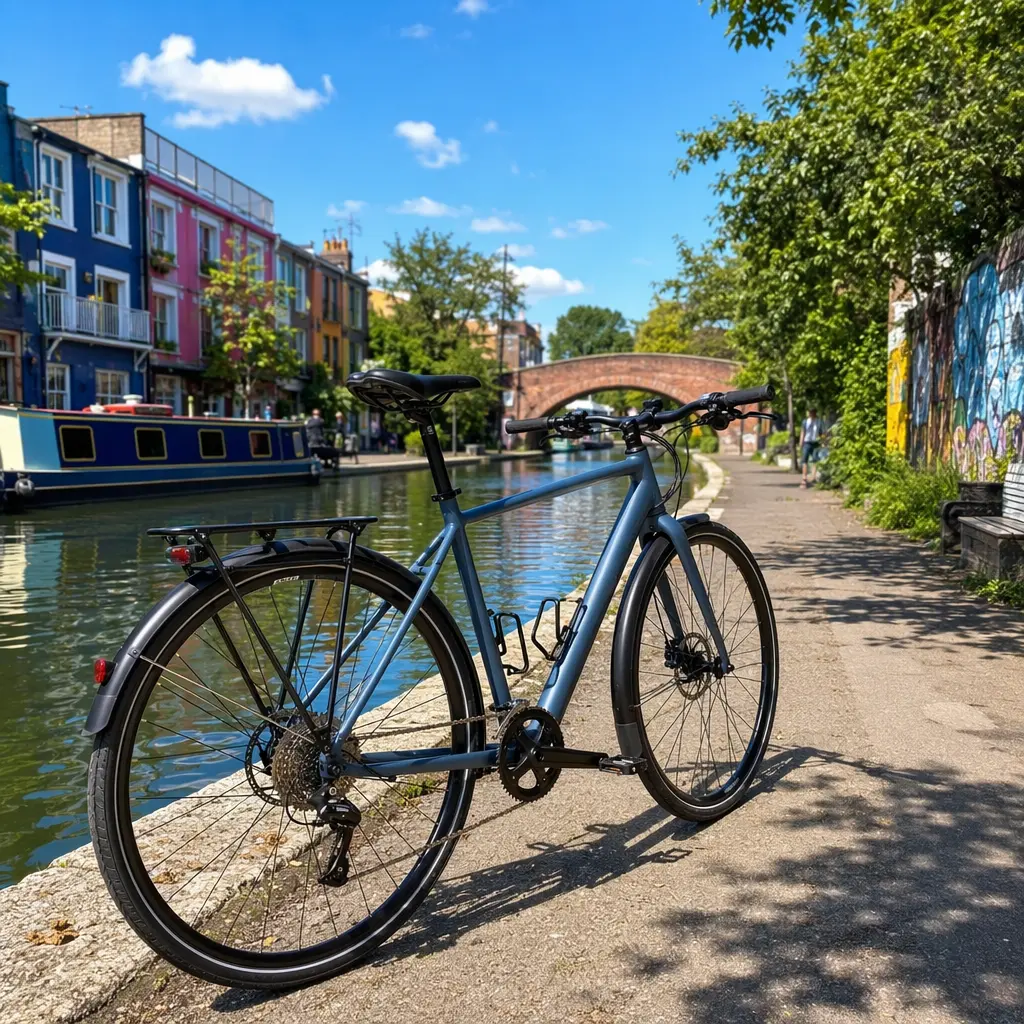
Where it came from
Scott has long been associated with performance cycling, particularly mountain bikes and lightweight road machines, but the Metrix reflects a broader shift in urban cycling. As more riders began looking for bikes that could cover weekday commuting and weekend fitness rides equally well, manufacturers started combining road-bike geometry with upright controls and practical fittings. The Metrix emerged from that trend as Scott’s fast urban option.
In UK bike shops, the Metrix usually sits above entry-level hybrids but below dedicated carbon road bikes in both price and intensity. Most versions are sold through independent dealers rather than mass-market chains, giving the range a slightly more enthusiast-focused reputation. Even so, the appeal is fairly broad. Riders moving up from basic hybrids often see it as a first ‘proper’ fast commuter, while experienced cyclists sometimes use it as a winter road alternative or practical everyday bike.
Why it works
The Metrix works because it borrows heavily from endurance road-bike thinking without forcing riders into a pure road-bike experience. The riding position is typically more upright than a drop-bar machine, giving better visibility in traffic and less strain on wrists or shoulders during daily use. At the same time, the frames are usually relatively light and responsive compared with traditional hybrids, so the bike accelerates willingly and holds speed efficiently on smoother roads.
Another strength is versatility. Most Metrix bikes accept mudguards and often pannier racks, which matters for UK commuting where year-round practicality counts as much as speed. Tyre clearances are generally generous enough for wider road tyres, helping the bike cope with rough tarmac, kerb edges and occasional gravel sections without feeling fragile.
- Flat handlebars give confident steering in traffic
- Road-influenced frame geometry keeps the ride quick and efficient
- Usually lighter than traditional commuter hybrids
- Mounts for mudguards and luggage improve year-round usability
- Disc brakes are common across the range for wet-weather control
- Wider tyres help comfort on poor UK road surfaces
Component choices tend to favour reliability over outright racing performance. Aluminium frames dominate the range, with carbon forks appearing on higher trims to reduce vibration through the front end. Drivetrains vary from straightforward commuter-focused setups to sportier gearing aimed at longer rides, but most versions prioritise smooth shifting and manageable maintenance costs rather than ultra-lightweight parts.
Who it’s for
The Metrix suits riders covering medium to long urban commutes who want something noticeably quicker than a comfort hybrid but less demanding than a road bike. It also works well for fitness riding, weekend loops and mixed urban riding where speed matters but practicality still matters more. Riders coming back to cycling after a long break often appreciate the balance of familiarity and efficiency. Budget-wise, the family usually sits in the mid-range commuter category, with used examples commonly appearing around the price of a new entry-level hybrid and newer models climbing well beyond that depending on specification.
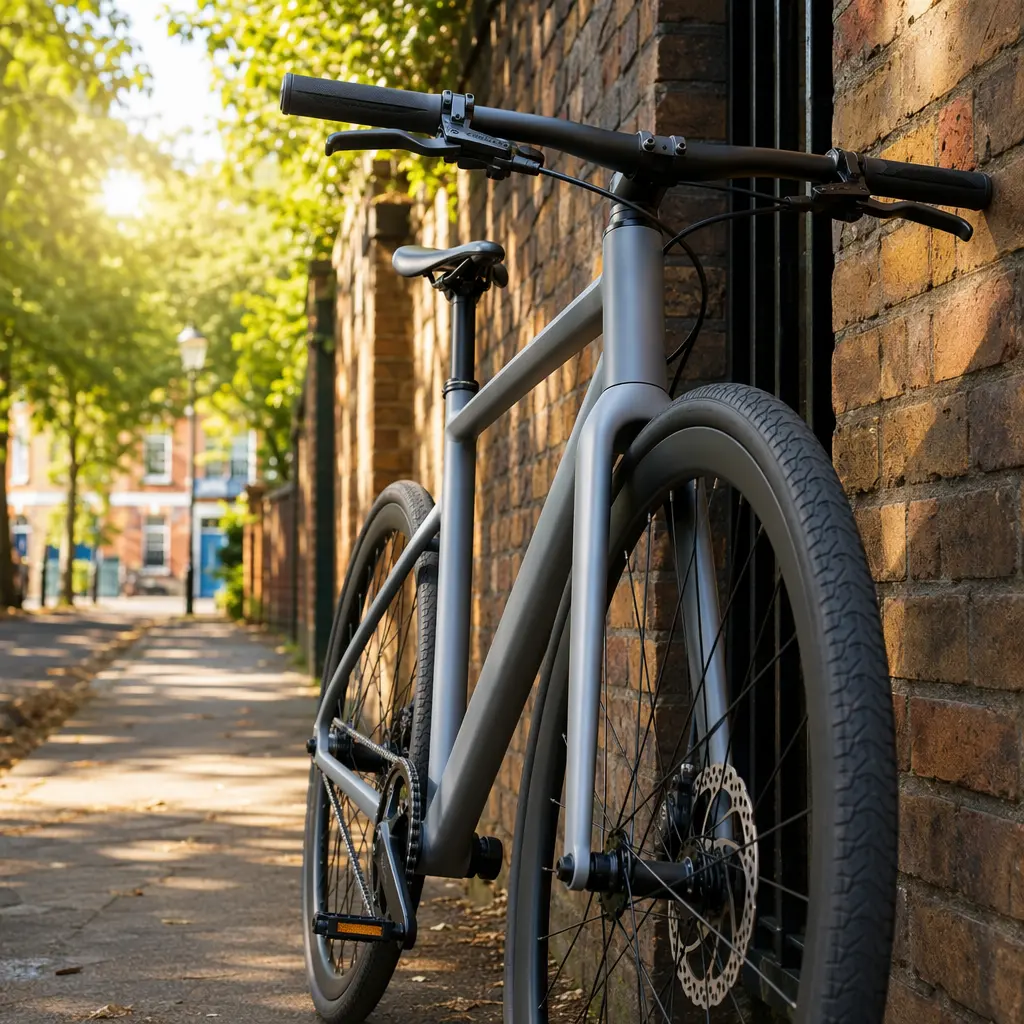
Variants and what to look for today
The Metrix range has typically been split into accessible entry versions, more refined mid-range models and lighter premium builds. Entry bikes usually focus on dependable aluminium frames and practical drivetrains suitable for daily commuting. Mid-level options often add lighter wheels, improved hydraulic disc brakes and better finishing kit, while higher-end versions can edge surprisingly close to endurance road-bike territory in weight and responsiveness.
When buying second-hand, condition matters more than trim level. A well-maintained mid-range Metrix is often a better buy than a neglected higher-spec model. Check carefully for worn drivetrains, especially on bikes used through multiple UK winters. Disc brake rub, corroded bolts and seized seatposts can appear on commuter bikes that have seen year-round weather. Tyres are another clue: heavily squared-off commuting tyres may indicate high mileage. Fortunately, most parts are standard and relatively straightforward to replace.
- Entry trims usually focus on value and durability
- Mid-range versions often hit the sweet spot for commuters
- Higher trims become lighter and more road-bike-like
- Check wheel condition if the bike has seen pothole-heavy commuting
- Inspect mudguard mounts and rack fittings for corrosion
- Look for signs of regular servicing rather than cosmetic upgrades
Frequently asked questions
Is the Scott Metrix a road bike or a hybrid?
It sits somewhere between the two. The frame and ride feel lean closer to a road bike, but the flat handlebars, practical fittings and more upright position give it hybrid-style usability.
Can the Metrix handle rough roads and towpaths?
Yes, within reason. Wider tyres and stable handling make it well suited to poor urban surfaces, canal paths and light gravel sections, though it is still primarily a tarmac-focused bike.
Is it suitable for year-round commuting?
That is one of the Metrix’s strongest uses. Disc brakes, mudguard compatibility and stable handling make it practical for wet-weather riding and darker winter conditions.
How does it compare with a traditional hybrid?
The Metrix generally feels faster and more responsive than comfort-focused hybrids. The trade-off is that the ride position is a bit sportier and less cushioned on longer leisurely rides.
The Scott Metrix has endured because it answers a very modern cycling problem: plenty of riders want road-bike efficiency without road-bike fuss. For UK commuting in particular, that combination of speed, flat-bar confidence and practical everyday usability makes a lot of sense. It is not the cheapest route into urban cycling, nor the most relaxed, but for riders who value covering ground quickly while still handling city streets comfortably, the formula remains convincing.
Find these on Amazon
As an Amazon Associate, CheapBikes earns from qualifying purchases.