The Marin Rift Zone: the trail bike seen all over UK trail centres
Marin’s Rift Zone has become a familiar sight on UK trail-centre loops by blending modern trail-bike geometry, sensible kit and realistic pricing into a capable full-suspension package.

The Marin Rift Zone sits in a part of the mountain-bike market that has become increasingly important in Britain: full-suspension trail bikes that feel modern and capable without climbing into superbike money. It is the kind of bike regularly spotted in trail-centre car parks from Afan to Glentress because it balances descending confidence with everyday practicality. Riders moving up from hardtails often land on a Rift Zone because it offers proper suspension travel, stable geometry and sensible specification at prices that usually stay within reach of ordinary weekend riders rather than race teams or bike-park specialists.
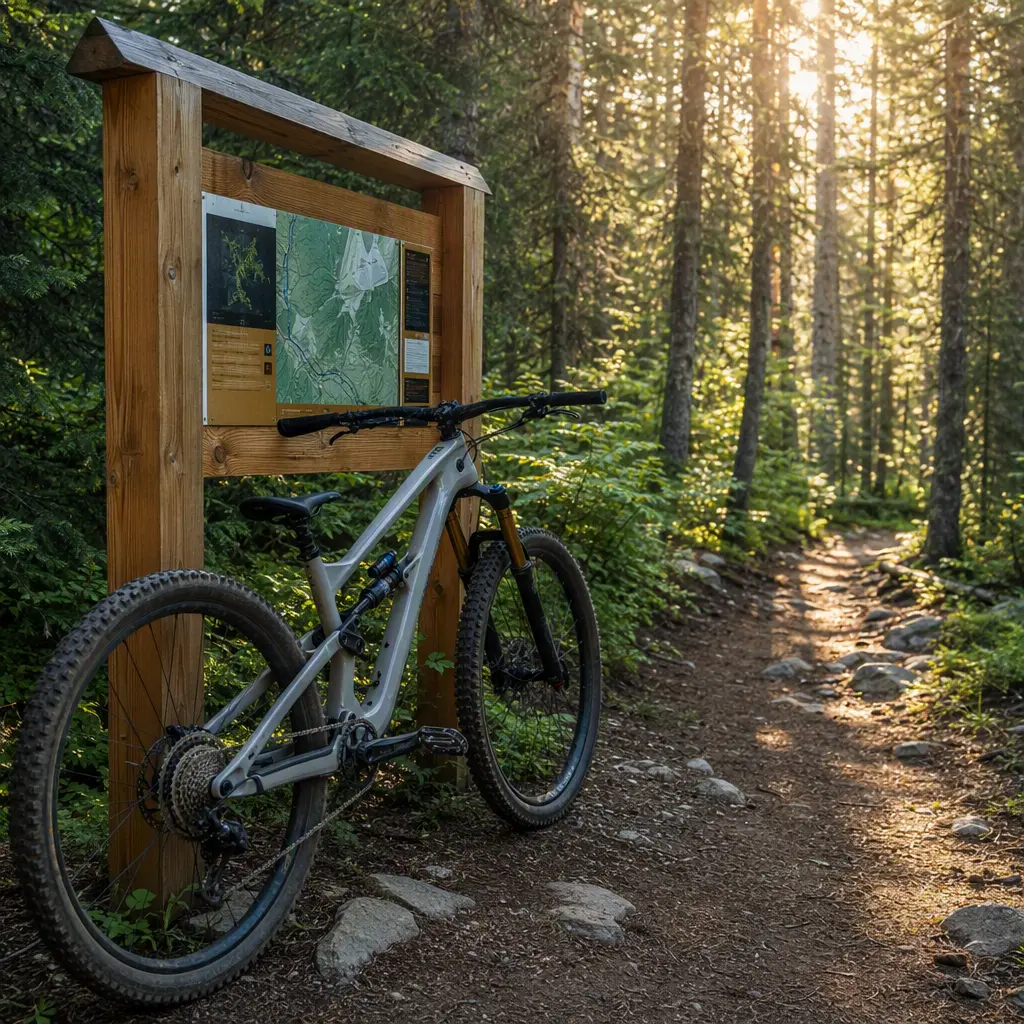
Where it came from
Marin has been building mountain bikes since the early days of Californian MTB culture, but the modern Rift Zone arrived in 2018 as part of the brand’s shift towards longer, lower and more capable trail bikes. Rather than chasing downhill-race extremes, Marin positioned the Rift Zone as an everyday trail machine for riders who wanted one bike that could handle trail-centre laps, natural singletrack and occasional uplift days without feeling excessive on calmer rides.
In the UK market, the Rift Zone quickly found space between entry-level full-suspension bikes and the more expensive carbon-heavy offerings from premium brands. Marin’s UK distribution and dealer presence helped, but the bigger draw was value. Buyers could get modern geometry, tubeless-ready wheels and respectable suspension packages for prices that typically undercut many rivals. The aluminium-framed versions became especially common because they delivered most of the performance people wanted without demanding £4,000-plus budgets.
Why it works
The Rift Zone’s appeal comes from how balanced it feels. Most versions use around 125mm of rear travel paired with a slightly longer-travel fork, placing the bike firmly in the trail category rather than pure enduro territory. That keeps it efficient enough for long climbs and flatter woodland routes while still giving enough cushioning and control for rough descents, roots and rocky trail-centre sections.
Geometry has played a major role in the bike’s rise. Modern Rift Zones use a slackened front end, longer reach and short stem arrangement that gives riders more stability on steeper descents without making slow-speed handling awkward. Marin also kept chainstays relatively compact, helping the bike feel lively rather than cumbersome. For UK riders dealing with mixed conditions, muddy winters and tight woodland turns, that agility matters just as much as outright downhill speed.
- Typically uses 29in wheels for rollover and stability on rough trails
- Aluminium models are common and generally easier on the wallet
- Trail-focused suspension travel suited to all-day riding
- Dropper posts fitted on many trims
- Tubeless-ready wheelsets on most modern versions
- Comfortable geometry for newer full-suspension riders
Component choices have usually stayed practical rather than flashy. Marin tends to prioritise dependable drivetrain and brake packages over boutique finishing kit, which suits riders who actually ride through British winters instead of only chasing dry-weather miles. The suspension platforms are designed to pedal efficiently enough for long fire-road climbs while still opening up properly on rough descents.
Who it’s for
The Rift Zone is aimed at riders who want one mountain bike that can do nearly everything reasonably well. It suits trail-centre regulars, weekend woodland riders and hardtail owners stepping into full suspension for the first time. It is not an ultra-light cross-country race bike, nor is it a downhill bruiser built purely for bike parks. Instead, it sits in the broad middle ground that many UK riders actually need. Budget-wise, second-hand examples often appear from around the low four figures depending on age and specification, while newer bikes typically sit in the mid-range trail-bike bracket rather than the premium end of the market.
Variants and what to look for today
The Rift Zone range has generally followed a familiar structure: accessible entry-level aluminium builds, mid-range models with upgraded suspension and drivetrains, and lighter or more premium versions higher up the range. Some models focus on outright value while others edge closer to aggressive trail or light enduro use with stronger wheelsets and more powerful brakes.
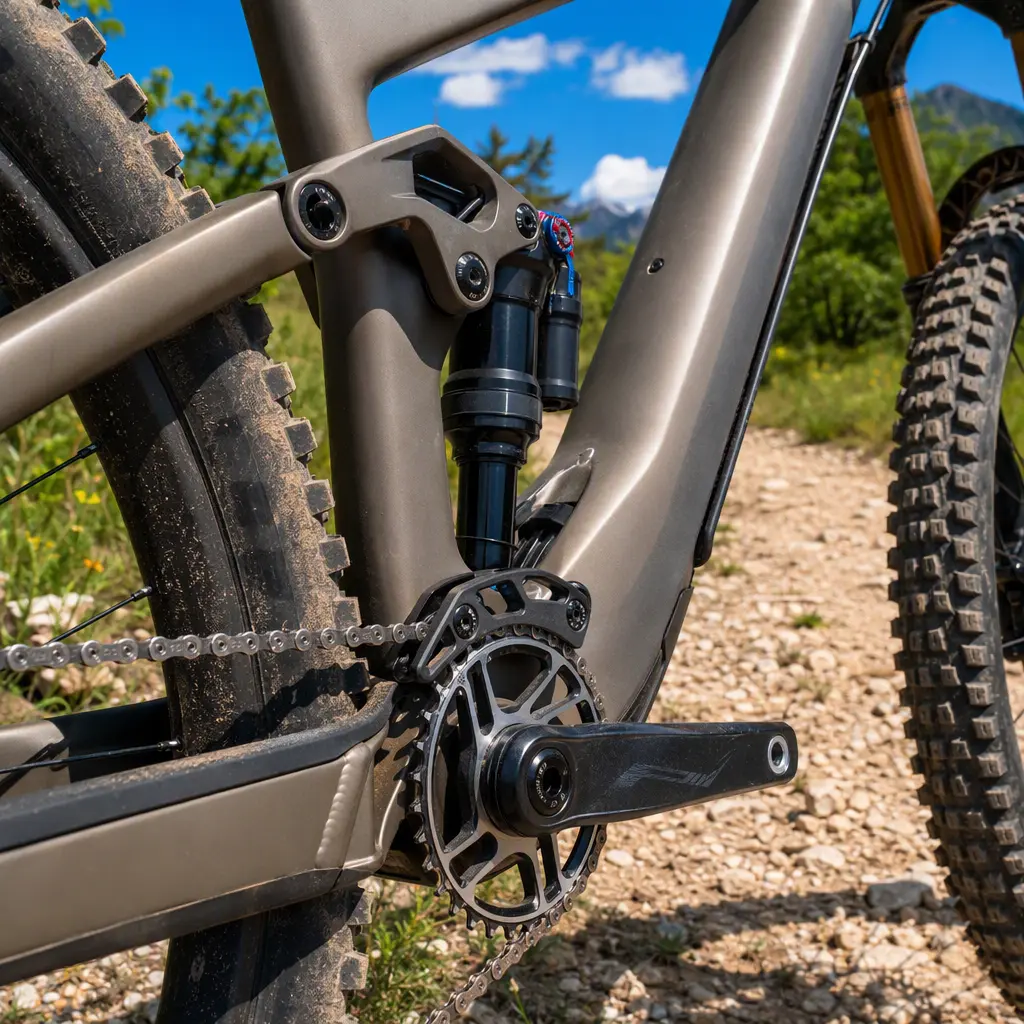
For used buyers, the frame condition matters more than flashy upgrades. Check suspension pivots for play, listen for creaks around the linkage and inspect the rear shock for neglected servicing. Trail bikes ridden through UK winters can hide worn bearings and tired drivetrains beneath fresh-looking paint. Wheel condition is also worth checking carefully because repeated rocky trail-centre use can leave dents or loose spokes.
- Entry-level trims usually prioritise value and dependable basics
- Mid-range versions often deliver the strongest value-for-money balance
- Higher trims may use lighter wheels, better dampers and stronger brakes
- Check dropper posts for smooth movement and excessive play
- Inspect chainstay protection areas for heavy wear or frame damage
Frequently asked questions
Is the Marin Rift Zone good for beginners?
Yes, particularly for riders moving from a hardtail to their first full-suspension bike. The geometry is stable without feeling intimidating, and the suspension travel is manageable for mixed trail riding.
Can the Rift Zone handle bike-park days?
It can cope with occasional uplift or bike-park riding, especially higher-spec versions, but it is fundamentally a trail bike. Riders spending most weekends on large jumps and repeated downhill runs may eventually prefer a longer-travel enduro machine.
Are aluminium Rift Zones heavy?
They are not the lightest bikes in the category, but many riders accept the extra weight in exchange for lower pricing and durability. On real UK trails, tyre choice and suspension setup often affect ride feel more than a small weight difference.
What wheel size does the Rift Zone use?
Modern versions are commonly built around 29in wheels, which suit rough UK trail conditions well by carrying speed smoothly over roots, rocks and braking bumps.
The Marin Rift Zone has endured because it delivers what many riders actually need rather than chasing extremes. It offers enough suspension and geometry progression to feel current on demanding trails while staying practical, versatile and comparatively attainable. In a market where full-suspension prices can quickly become intimidating, the Rift Zone remains one of the more visible examples of a trail bike built for regular riders and regular riding.
Find these on Amazon
As an Amazon Associate, CheapBikes earns from qualifying purchases.