The Dawes Kingpin: the compact British folder before the boom
Long before folding bikes became commuter status symbols, the Dawes Kingpin offered a compact, practical ride for caravanners, campers and everyday UK trips.
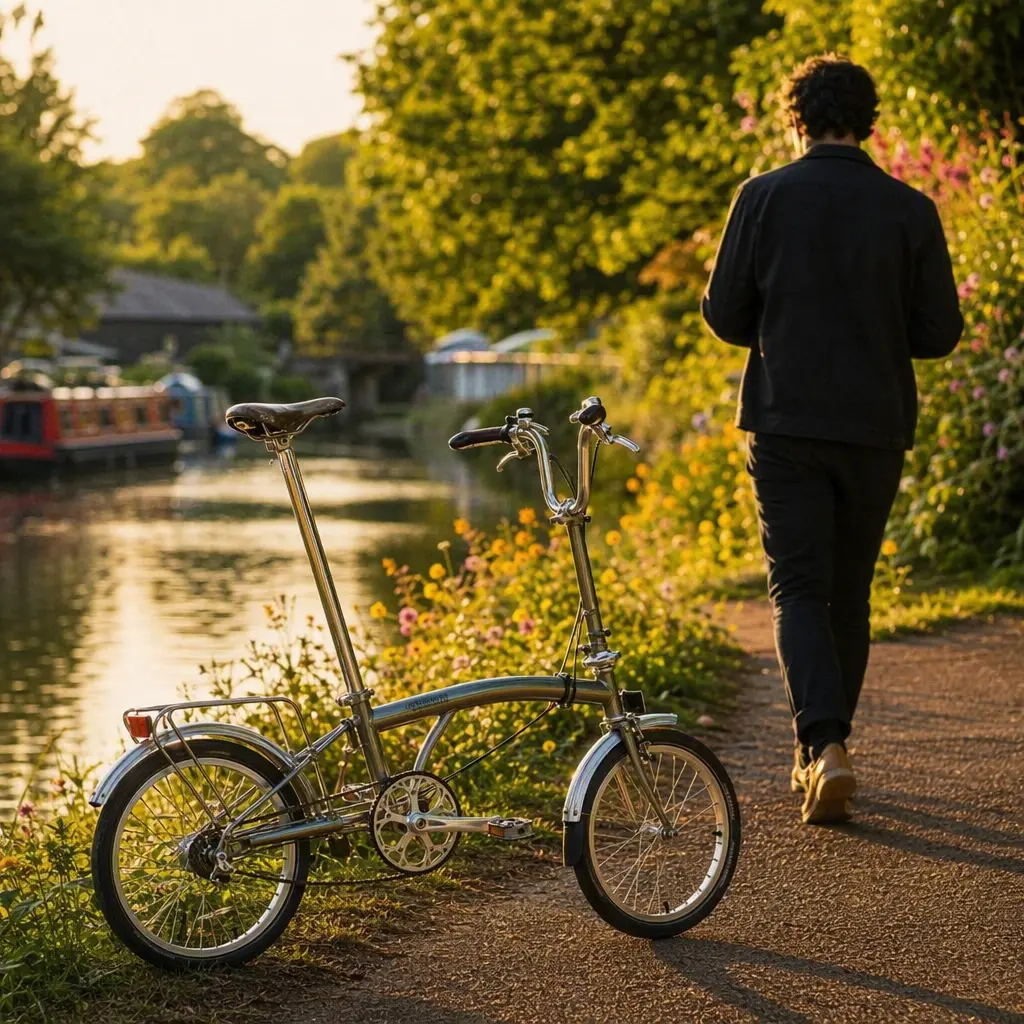
The Dawes Kingpin arrived decades before folding bikes became a familiar sight on packed commuter trains and city streets. Introduced in the mid-1960s, it was a small-wheeled British folder built around practicality rather than fashion, aimed at holidaymakers, caravan owners and riders wanting something easier to store than a full-sized roadster. Today, the Kingpin occupies an unusual place in UK cycling history: part nostalgic classic, part genuinely usable compact bike. It never chased high-performance claims, but its straightforward engineering and surprisingly stable ride helped it endure long after many rival folders disappeared.
Where it came from
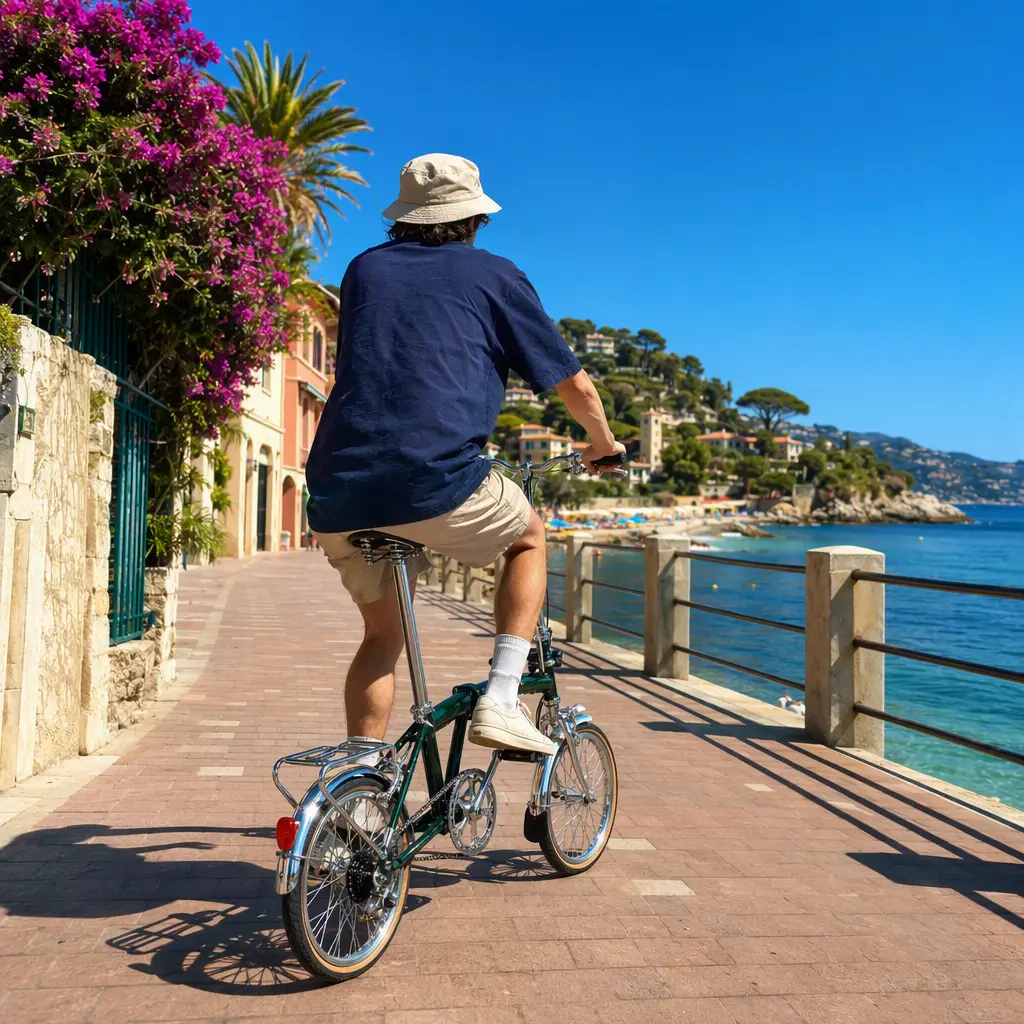
Dawes launched the Kingpin in 1965, during a period when British cycling still revolved around utility bikes, touring machines and practical transport. Folding bicycles already existed, but many were awkward, heavy or mechanically dubious. The Kingpin took a simpler route. Rather than chasing extreme compactness, it used a sturdy small-wheel frame with a central hinge and upright riding position that ordinary riders could understand immediately.
Built by Dawes, one of Britain's long-established bicycle makers, the Kingpin became especially popular with caravan and camping enthusiasts who needed a bike that could fit into tighter spaces without needing roof racks or large sheds. It also found a niche among boat owners and urban riders short on storage space. In the UK market, it sat below premium engineering-led folders and above many flimsy department-store alternatives, offering dependable transport at a relatively accessible price point for the era.
Why it works
A big part of the Kingpin's appeal is that it rides more like a normal bicycle than many older folding designs. Its small wheels give quick steering and easy manoeuvrability around kerbs, campsites and crowded streets, but the frame geometry remains fairly relaxed and upright. Riders sit comfortably rather than aggressively, making short utility trips feel natural rather than twitchy.
Most versions used simple steel construction, practical mudguards and easy-to-maintain drivetrain parts. The folding system itself was basic by modern standards, but that simplicity is part of why so many examples still survive. There were fewer exotic hinges, cables and proprietary mechanisms to wear out or become impossible to replace decades later.
- Compact folded size for flats, caravans and boats
- Stable upright riding position suited to slower urban riding
- Simple steel frame that is often repairable today
- Small wheels accelerate quickly in stop-start traffic
- Usually fitted with practical touches like mudguards and luggage racks
Who it's for
The Kingpin makes the most sense for riders who value charm, simplicity and compact practicality over outright speed. It suits shorter commutes, campsite errands, canal-path cruising and relaxed local journeys rather than long-distance fitness riding. Collectors also appreciate its place in British cycling history, especially as interest in retro utility bikes continues to grow. Prices vary widely depending on originality and condition, but usable examples often sit around the lower hundreds of pounds, while restored or particularly tidy bikes can climb higher.
Variants and what to look for today
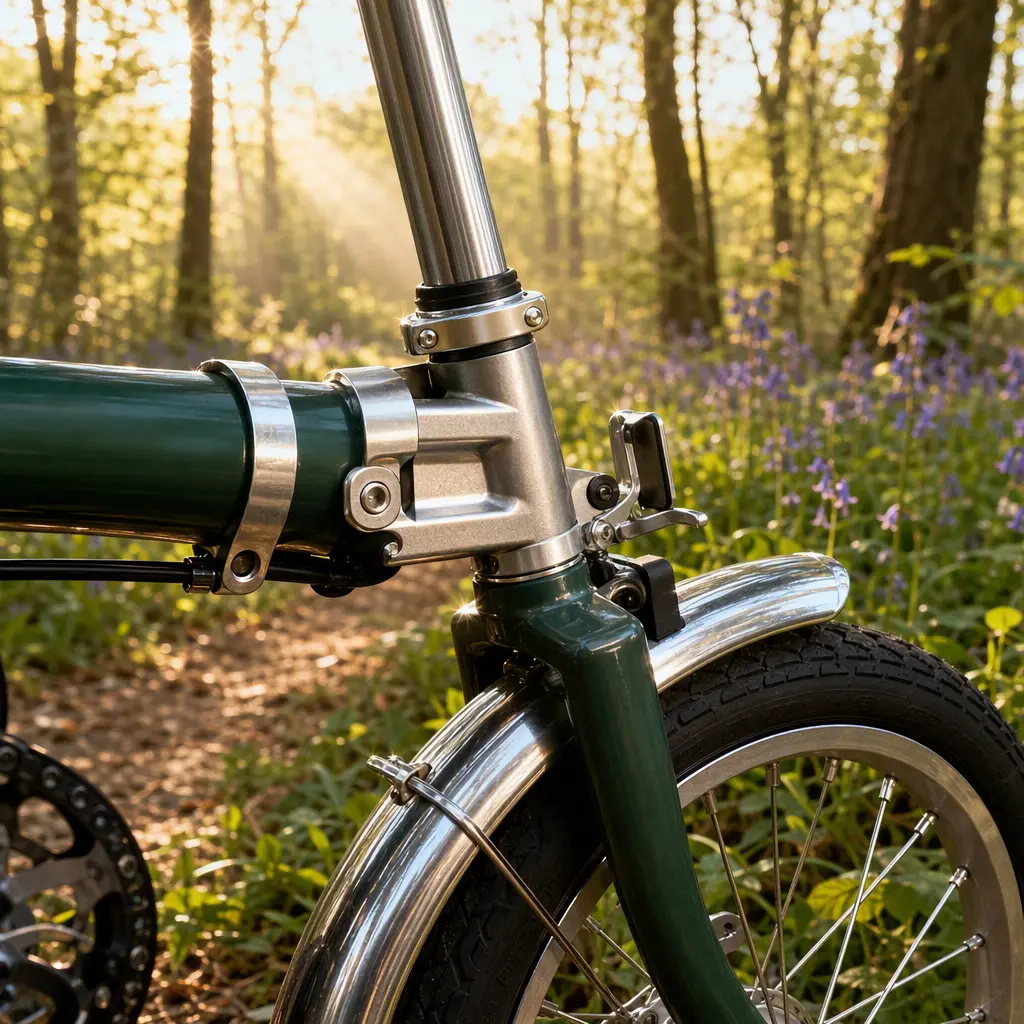
Over the years, the Kingpin appeared in several broadly similar forms rather than sharply defined modern-style trims. Earlier models often carried more chrome detailing and classic styling touches, while later versions leaned slightly more practical and cost-conscious. Some came with hub gears for low-maintenance riding, while others used straightforward derailleur setups. Equipment levels varied too, with racks, chaincases and lighting equipment appearing depending on the intended market.
Anyone buying second-hand should focus less on originality and more on condition. Steel frames can last extremely well if stored properly, but neglected examples may suffer from rust around hinges, bottom brackets and mudguard mounts. The folding mechanism should lock securely without excessive play, and small wheels deserve close inspection because replacement tyre sizes are not always as common as standard modern bike sizes.
- Check hinge security and frame alignment carefully
- Inspect rims for corrosion and worn braking surfaces
- Look for seized seatposts on long-stored bikes
- Confirm replacement tyres and tubes are still available
- Hub-geared models should shift smoothly without slipping
Frequently asked questions
Does the Dawes Kingpin fold as small as a modern commuter folder?
No. The Kingpin folds more simply and remains bulkier than modern compact commuter folders. It was designed mainly for easier storage and transport rather than carrying through stations every day.
Are Dawes Kingpins still practical to ride today?
Yes, within reason. They work well for short urban rides, campsite use and gentle leisure cycling. They are less suited to fast commuting or longer mixed-terrain rides compared with modern hybrids or advanced folders.
Are replacement parts difficult to find?
Most standard mechanical parts are still obtainable because the bikes used conventional components where possible. Tyres, some wheel parts and specific folding hardware may require more specialist searching through vintage bike suppliers.
Why do collectors still like the Kingpin?
It represents a practical chapter of British cycling history before folding bikes became premium urban products. Its simple styling, durability and recognisable small-wheel silhouette continue to attract enthusiasts of classic utility bicycles.
The Dawes Kingpin never tried to reinvent cycling, and that modesty is part of its appeal today. It solved a straightforward problem with durable engineering and approachable design, long before compact bikes became fashionable commuter accessories. For riders who appreciate classic British utility cycling — or simply want a compact retro bike with genuine everyday usefulness — the Kingpin still earns its place on UK roads and towpaths.
Find these on Amazon
As an Amazon Associate, CheapBikes earns from qualifying purchases.