£350 vs £650 commuter bikes: what eases daily rides?
Is a £650 commuter really easier to live with than a £350 one? This guide compares puncture protection, gearing range and time‑saving fittings that matter for everyday UK riding, rain or shine.
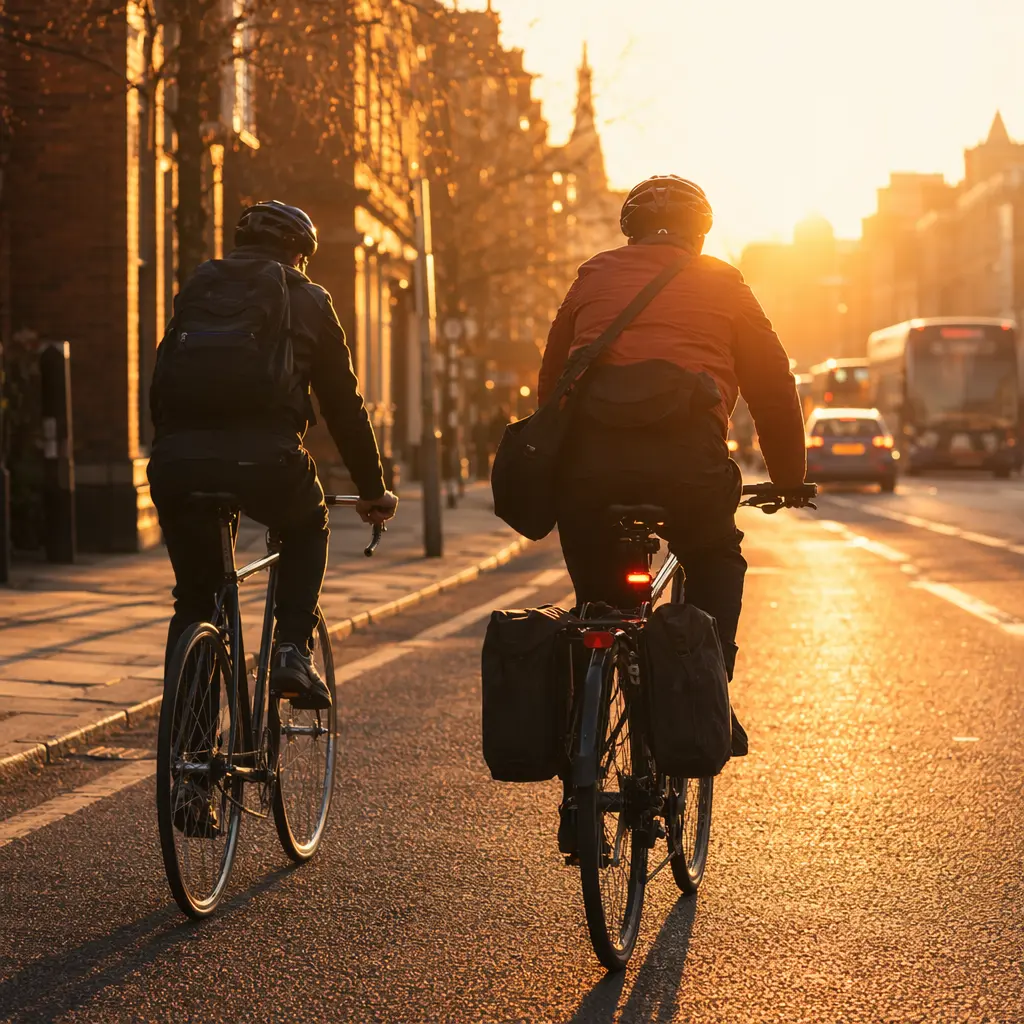
For many UK riders, a commuter bike is transport first and hobby second. The question isn’t how fast it is, but how little hassle it causes at 7:30am in the rain. At around £350, bikes promise basic, affordable mobility. At £650, they claim to save time, stress and maintenance. This comparison looks at what actually changes between those two price points — and whether it makes daily riding easier year‑round.
What you actually get at this price
At £350, commuter bikes are built to hit a number. Frames are usually aluminium with a basic steel fork, paired to entry‑level components designed to work acceptably rather than impress. At £650, you’re not buying luxury, but you are buying refinement — parts chosen to reduce everyday friction.
The biggest differences show up in tyres, gearing and fittings. These don’t look exciting on a spec sheet, but they determine how often you’re fixing punctures, adjusting gears or strapping on accessories.
- Gearing: £350 bikes usually use basic 7–8 speed drivetrains with a limited range; £650 bikes often stretch to wider‑range cassettes or hub gears that cope better with hills and stop‑start traffic.
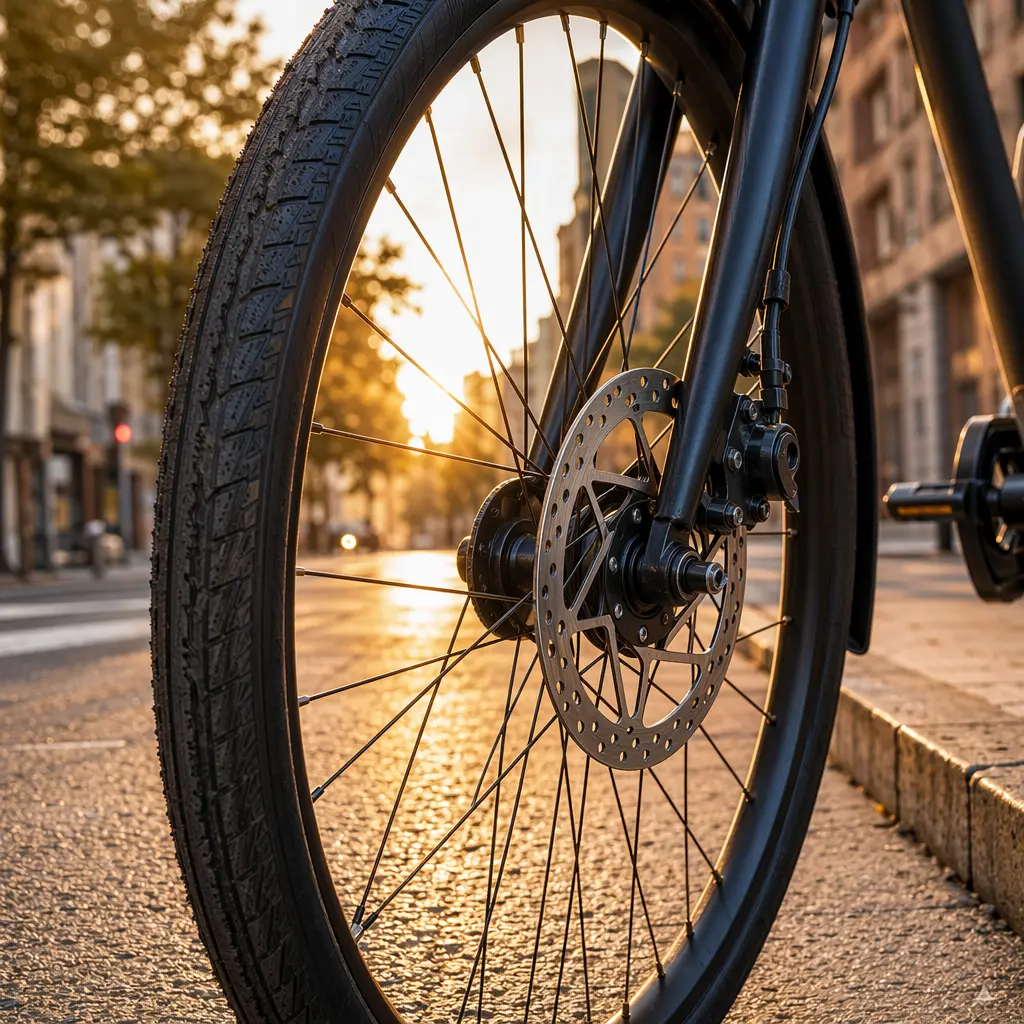
- Brakes: Mechanical disc or basic rim brakes at £350; more consistent mechanical discs or entry‑level hydraulics by £650.
- Tyres: Thin, fast‑rolling tyres with minimal puncture protection at £350; thicker casings and puncture belts more common at £650.
- Frame & fork: Aluminium frames at both prices, but £650 bikes more often include lighter forks or improved vibration damping.
- Fittings: £350 bikes may lack mudguard or rack mounts; £650 bikes are more likely to include full‑length mudguards, rear racks and dynamo lighting.
How to choose
Choosing between £350 and £650 isn’t about speed — it’s about how predictable your commute is. If rides are short, flat and occasional, the cheaper option can work. If cycling replaces the bus five days a week, small annoyances add up quickly.
Fit and geometry matter at both prices. An upright position improves visibility and comfort in traffic, while slightly longer wheelbases improve stability with panniers. A £650 bike won’t fit better by default, but brands at that level tend to offer more sizes and finer adjustments.
What to look out for
- Very narrow tyres that save pennies but puncture easily on winter roads.
- Limited gear range that struggles on bridges, ramps or loaded rides.
- No mudguard clearance, meaning wet legs for half the year.
- Cheap wheels with loose spokes that need frequent truing.
- Non‑standard parts that are hard to replace at local bike shops.
Worth spending more on
Some upgrades punch above their weight, especially on cheaper bikes. Tyres are the biggest one: swapping to puncture‑resistant rubber can halve roadside stops. Saddles are another — comfort issues rarely disappear on their own.
Security and visibility also matter. A decent lock and reliable lights aren’t optional for UK commuting, and bikes at £650 often include dynamo lighting that’s always ready, even on dark winter mornings.
Frequently asked questions
Is a £650 commuter bike more reliable?
Generally yes, but not because it’s indestructible. The components are better sealed, wear more slowly and stay in adjustment longer, which means fewer surprises during the working week.
Can a £350 bike be upgraded later?
Yes, but costs add up. Tyres, mudguards and racks are easy. Drivetrain or wheel upgrades often approach the price gap to a £650 bike.
What about hub gears?
Hub gears are more common closer to £650. They need less maintenance and work well in traffic, but usually add weight and upfront cost.
Is the cheaper bike fine for winter?
It can be, but expect more cleaning and adjustments. Lack of mudguards and cheaper bearings are the main pain points in wet, salty conditions.
In short, £350 gets you moving, while £650 buys convenience. For daily, all‑weather commuting, the extra spend mostly goes into saving time, staying dry and fixing fewer problems — which is often what makes cycling stick.
Find these on Amazon
As an Amazon Associate, CheapBikes earns from qualifying purchases.