£300 vs £600 commuter bikes: what really changes
Looking at £300 versus £600 commuter bikes through the lens of six months’ daily riding. The components, geometry and small details that affect reliability, comfort and running costs.

What you actually get at this price
- Frame: both usually aluminium, but £600 frames are stiffer around the bottom bracket and better finished, with more eyelets for racks and mudguards.
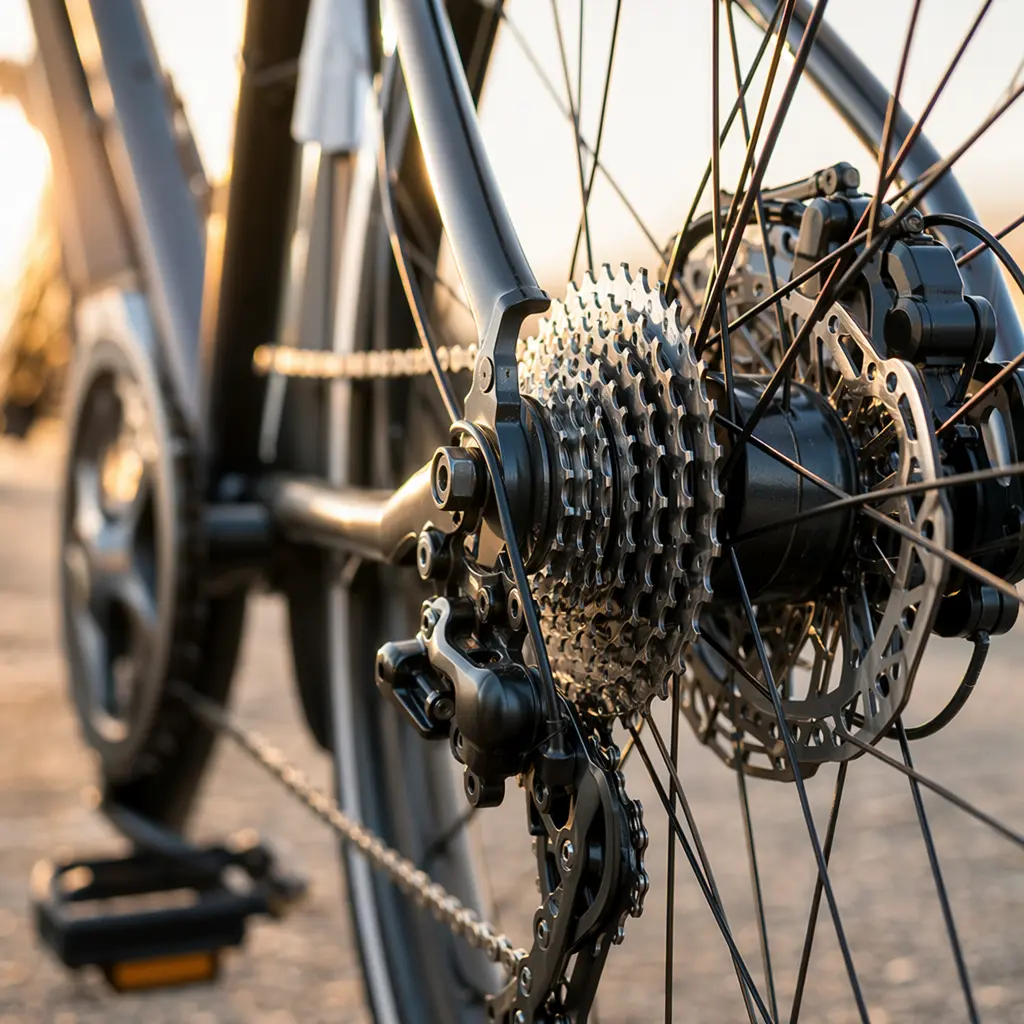
- Gearing: £300 bikes tend to use basic 7–8 speed drivetrains with limited range; £600 bikes move to 9–10 speed systems with smoother shifting and tougher chains.
- Brakes: expect basic rim brakes or entry-level mechanical discs at £300; stronger mechanical discs or entry hydraulic discs at £600 with better wet-weather control.
- Wheels: cheaper bikes use heavy rims and basic hubs; £600 bikes usually have better-sealed bearings that cope with winter grit.
- Tyres: budget wire-bead tyres at £300 versus puncture-resistant commuter tyres at £600.
- Extras: lights, mudguards and racks are often optional at £300, but commonly included or better integrated at £600.
How to choose
What to look out for
- Unsealed bottom brackets and hubs that grind after one winter.
- Very narrow tyres that feel skittish on wet roads or canal paths.
- Limited gear range that struggles on bridges and short, sharp climbs.
- Brake cables with poor routing that quickly fill with water.
- Lack of rack or mudguard mounts, limiting future upgrades.
Note
Worth spending more on
Frequently asked questions
Is a £300 bike a false economy?
Does £600 guarantee reliability?
What about buying used?
Find these on Amazon
As an Amazon Associate, CheapBikes earns from qualifying purchases.
buying guide
value
city bikes
commuter
reliability