BMX for Pump Tracks vs Skateparks: What £300–£500 Buys
Choosing a BMX under £500? Geometry and build matter. This guide explains how pump‑track and skatepark setups differ, what to prioritise, and where compromises sit in the £300–£500 range.
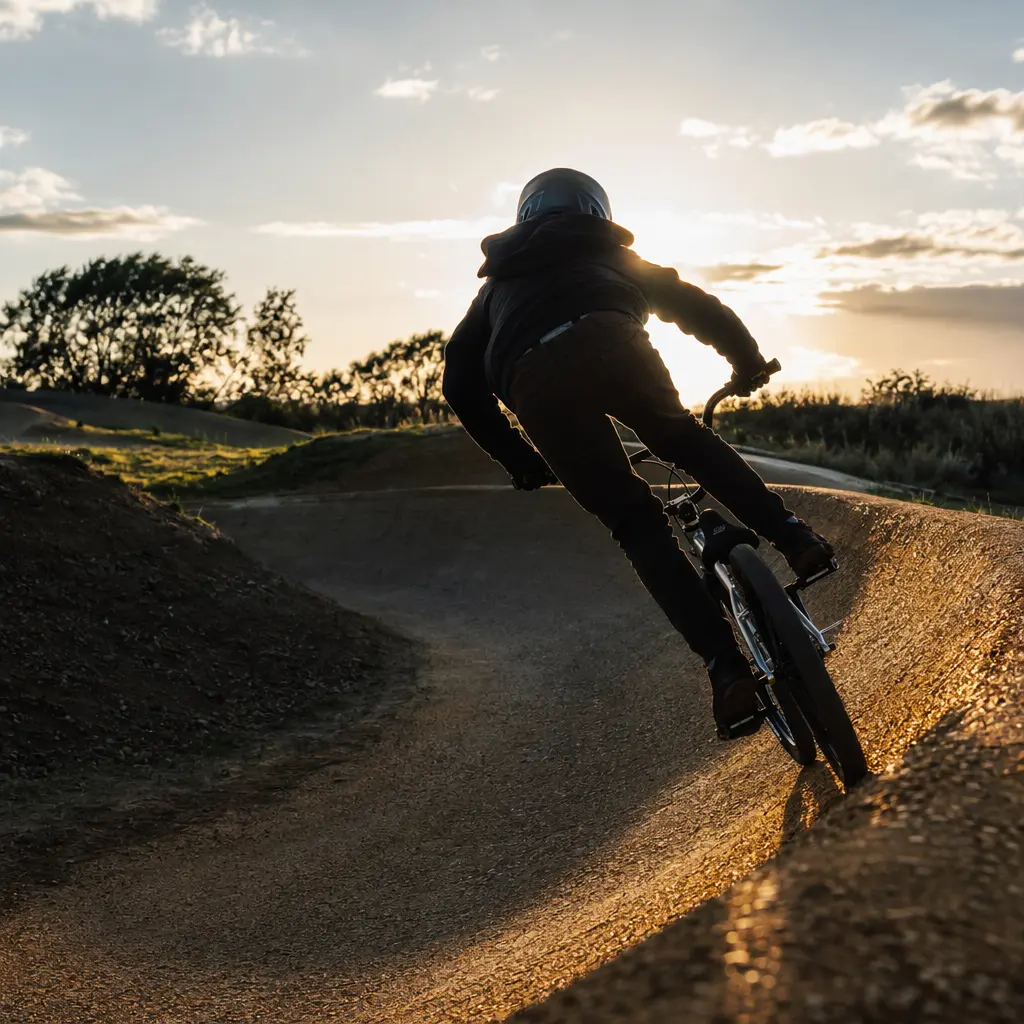
If you’re buying a BMX on a £300–£500 budget, where you plan to ride most matters more than paint colour or brand names. Pump tracks and skateparks ask different things from a bike, and the geometry and parts that feel perfect in one setting can feel awkward in the other. This guide explains the key differences so you can pick a BMX that suits how you actually ride.
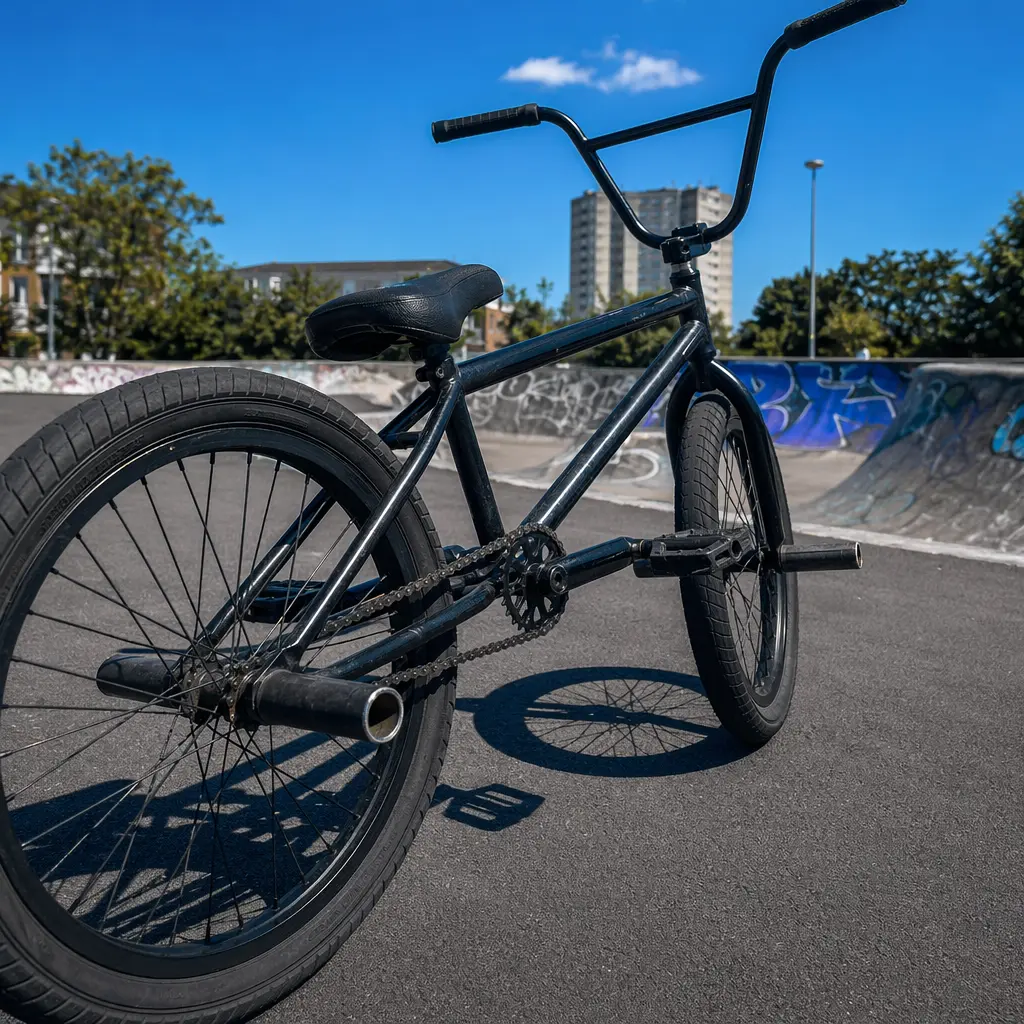
What to look for
At this price point, most BMX bikes share similar basics, but small differences add up. Focus on how the frame and parts support your main riding style rather than chasing the longest spec list.
- Gearing: BMX bikes are single‑speed. Pump‑track riders often prefer slightly taller gearing for carrying speed, while skatepark setups lean shorter for quicker acceleration out of transitions.
- Frame material: Hi‑ten steel is common under £500; it’s tough but heavier. Some bikes mix hi‑ten with chromoly in stress areas, which helps durability without pushing the price too high.
- Brake type: A rear U‑brake is standard. Many park riders run brakes for control and learning tricks; pump‑track riders sometimes choose lighter setups, but brakes are still useful for mixed riding.
- Geometry: Longer top tubes and rear ends feel stable and fast on pump tracks. Shorter, more compact frames spin and hop more easily in skateparks.
- Fit: Wheel size is usually 20in, but top tube length should match rider height. A poor fit will limit control more than any component choice.
- Weight: Lighter bikes accelerate and jump more easily, but ultra‑light builds aren’t realistic at this budget. Aim for sensible strength over chasing grams.
- Included accessories: Pegs, gyro tabs or removable brake mounts add flexibility if you plan to experiment with different riding styles.
Budget and what you're getting
In the £300–£500 range, you’re paying for a solid entry‑to‑mid level BMX that can take regular use. Expect durable wheels, basic sealed bearings in key areas, and reliable but unspectacular finishing kit. What you won’t get is a full chromoly frame or ultra‑light parts. The trade‑off is weight versus strength: these bikes are built to survive mistakes and learning, not to shave seconds off competition runs.
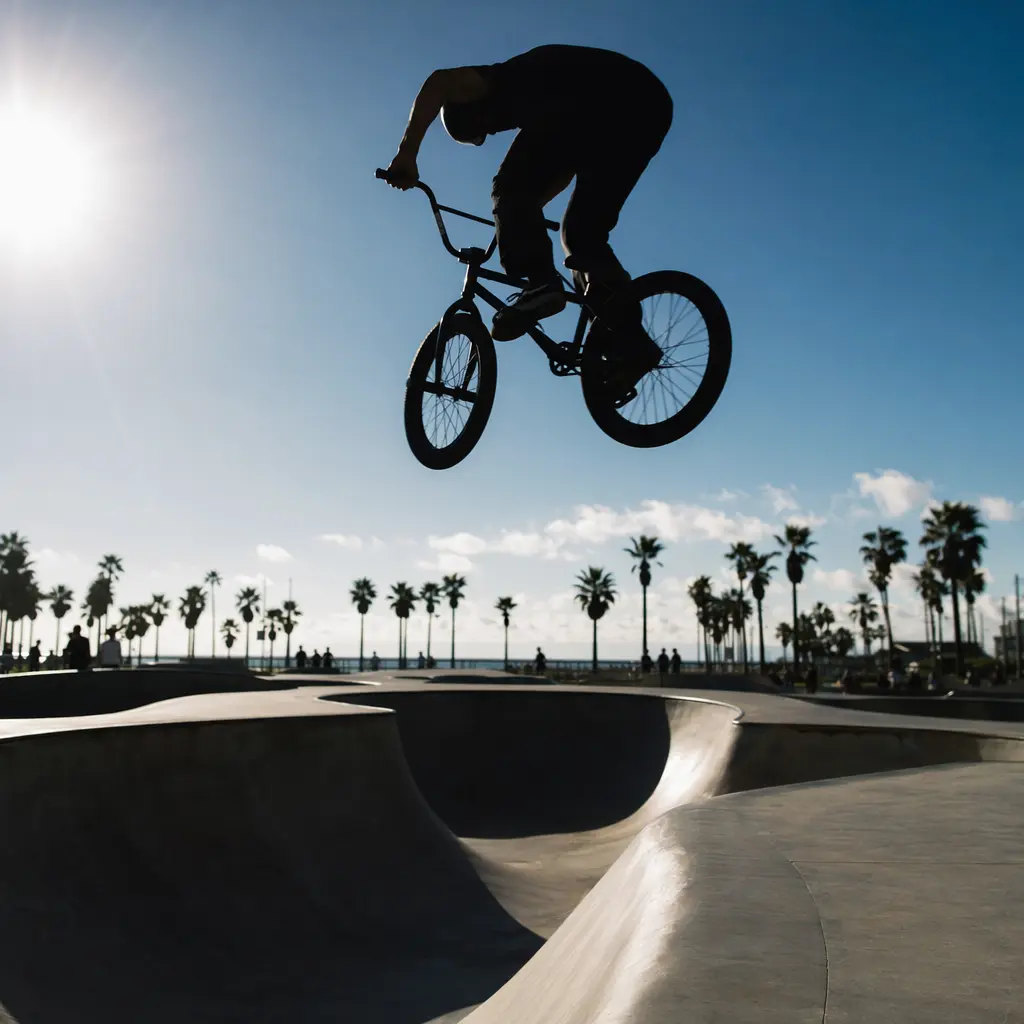
Standout categories or types
Most BMX bikes under £500 are sold as all‑rounders, but they usually lean one way or the other. Understanding those leanings helps match the bike to your riding.
- Pump‑track‑leaning BMX: Slightly longer frames, stable head angles and taller gearing. These feel calm at speed and reward smooth pumping through rollers and berms.
- Skatepark‑leaning BMX: Shorter rear ends and more compact reach. Easier to manual, spin and pop on ramps, but they can feel twitchy on fast, flowing tracks.
- Balanced all‑rounders: Middle‑ground geometry designed to cope with both. Ideal if you split time between pump tracks, parks and street riding.
If your riding is truly mixed, a balanced setup is usually the safest choice. You can later tweak feel with tyre choice or sprocket size without replacing the whole bike.
Frequently asked questions
Can one BMX work for both pump tracks and skateparks?
Yes. Many riders use a single BMX for both. A neutral geometry won’t be perfect everywhere, but it avoids the extremes and is more forgiving while skills develop.
Is wheel size always 20in?
For adults and teens, 20in is standard and offers the widest choice. Smaller or larger wheels exist, but they’re less common under £500 and mainly suit specific heights.
Do I need pegs for skatepark riding?
Not at first. Pegs are useful for certain tricks, but many beginners learn ramps and transitions without them. Some bikes include pegs or mounts so you can add them later.
Are BMX bikes under £500 heavy?
They’re heavier than high‑end builds, but still manageable. The extra weight often comes from tougher steel, which is a benefit when learning and crashing is part of progress.
Choosing between pump‑track and skatepark BMX bikes under £500 is about priorities. Decide where you’ll ride most, pick geometry that supports that style, and focus on fit. A well‑chosen mid‑budget BMX can handle years of learning across both settings.
Find these on Amazon
As an Amazon Associate, CheapBikes earns from qualifying purchases.