Choosing a BMX Bike Under £500: Strength vs Weight
A practical guide to buying a BMX bike between £300 and £500, covering frame strength, weight, geometry and the trade-offs that matter for street, park and beginner tricks.
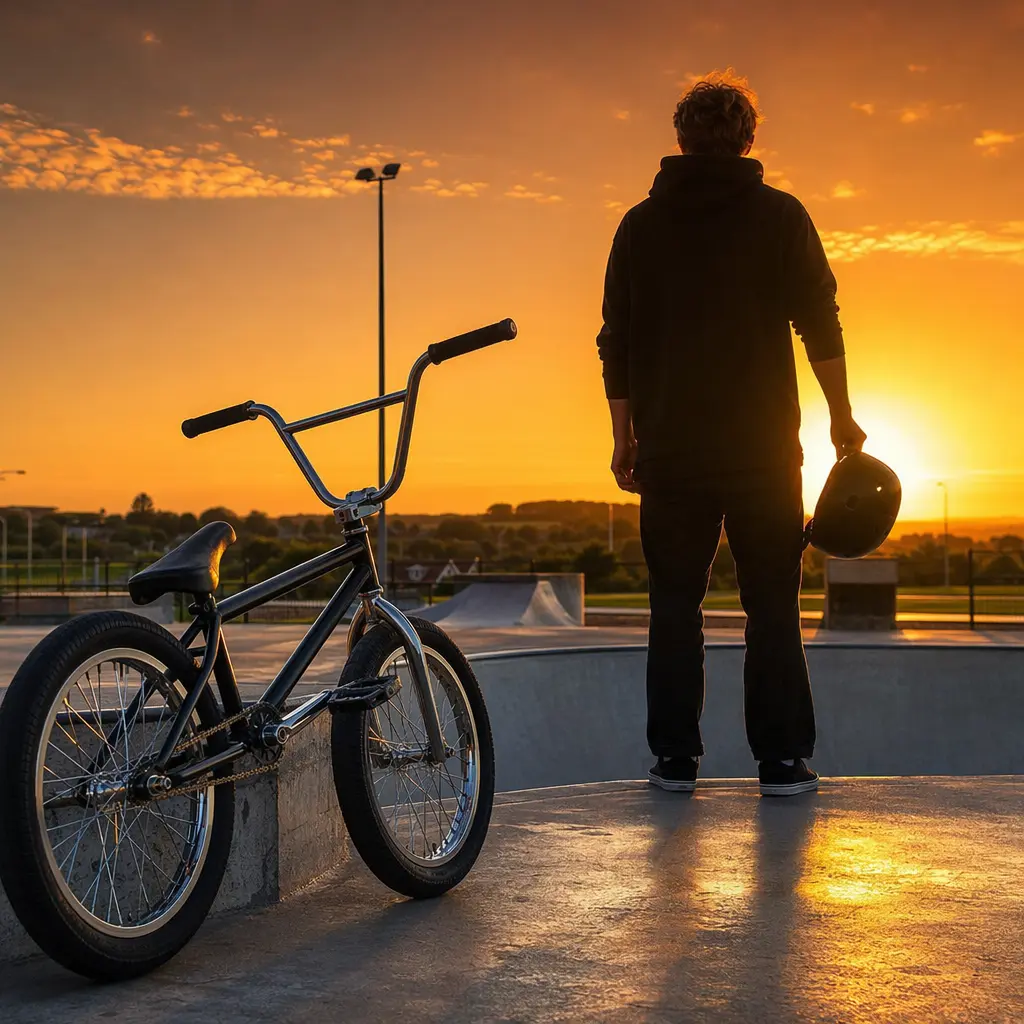
Buying a BMX bike under £500 usually means balancing two things that pull in opposite directions: strength and weight. Heavier bikes can feel solid and cope better with hard landings, missed tricks and everyday abuse, while lighter bikes are easier to lift, spin and progress on at the skatepark. In the £300–£500 range, buyers can find complete BMX bikes that are suitable for beginners and improving riders without stepping into high-end custom territory. The key is understanding where the weight comes from and which parts matter most for durability.
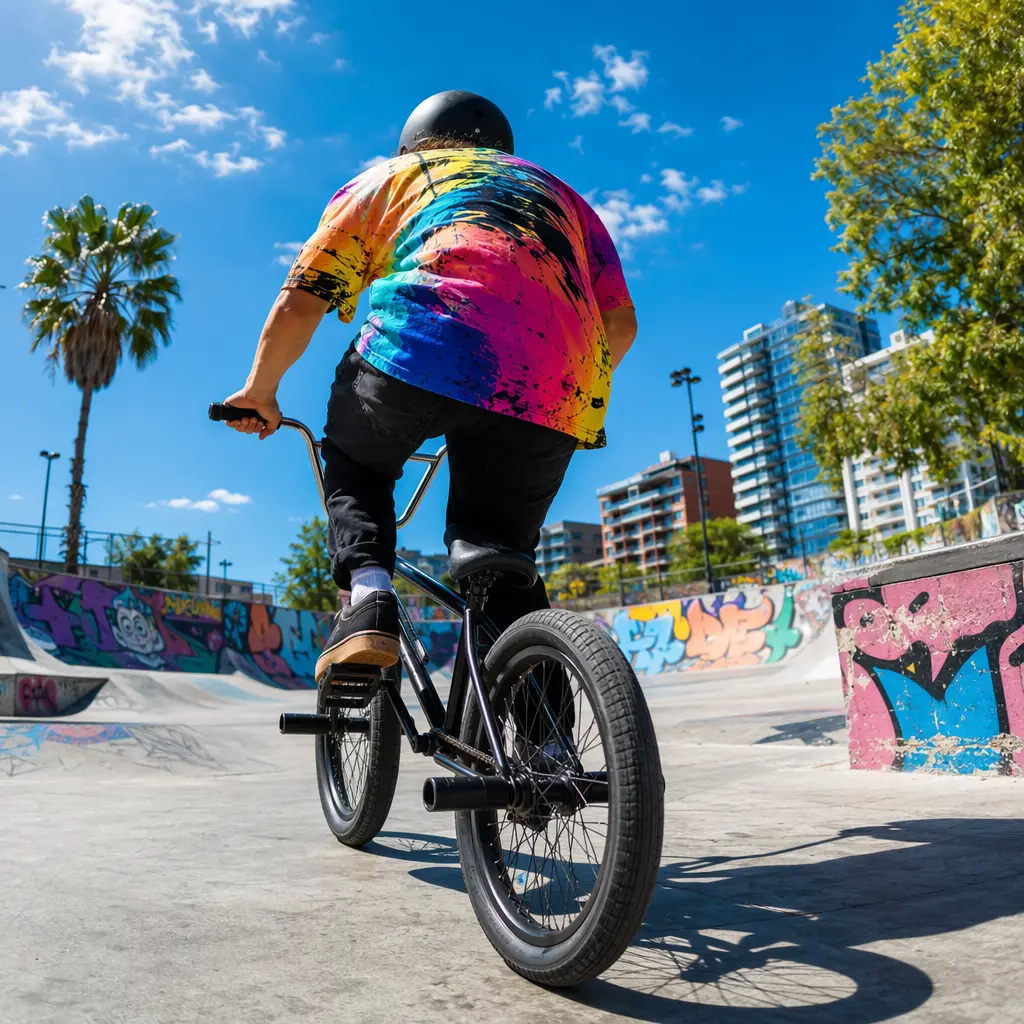
What to look for
A good BMX bike in this price range should feel sturdy without becoming unnecessarily heavy. Frame material is one of the biggest factors. Hi-tensile steel is cheaper and strong enough for casual riding, but chromoly steel is lighter and generally more durable under repeated impacts. Many bikes around £400–£500 use chromoly in key stress areas such as the front triangle, forks or bars rather than across the whole frame. Geometry also matters. Shorter chainstays and compact frames feel more responsive for spins and manuals, while slightly longer bikes can feel more stable for ramps and cruising. Wheel size is almost always 20 inch for freestyle BMX, but top tube length should match rider height for comfort and control.
- Chromoly tubing in high-stress areas improves durability without adding excessive weight
- Double-wall rims are worth prioritising for harder landings and repeated skatepark use
- Sealed bearings in the hubs and bottom bracket usually last longer and need less maintenance
- Cassette hubs are more common on modern freestyle BMX bikes and feel more responsive than older freecoaster styles for beginners
- Brake choice matters less than tyre grip and frame geometry for most new riders, though removable brakes are common for park-focused setups
- Shorter geometry feels lively for tricks, while longer frames offer more stability
- Lighter bikes are easier to spin and hop, but very low weight at this budget can mean cheaper components elsewhere
- Included pegs can add value if street riding is a priority, though they also increase weight slightly
Budget and what you're getting
Between £300 and £500, complete BMX bikes are usually built to survive real-world riding rather than compete with premium custom builds. That means sensible compromises. Buyers may see heavier cranks, partial chromoly frames instead of full chromoly, or slightly heavier wheelsets than those found on expensive setups. The upside is that many bikes in this range are genuinely capable for learning hops, manuals, pump track riding, skatepark sessions and basic street tricks. Spending closer to £500 often improves long-term durability more than outright performance, especially in the wheels, bearings and frame construction. Riders focused on progression tend to benefit more from reliable components than from chasing the lightest possible complete bike.
Standout categories or types
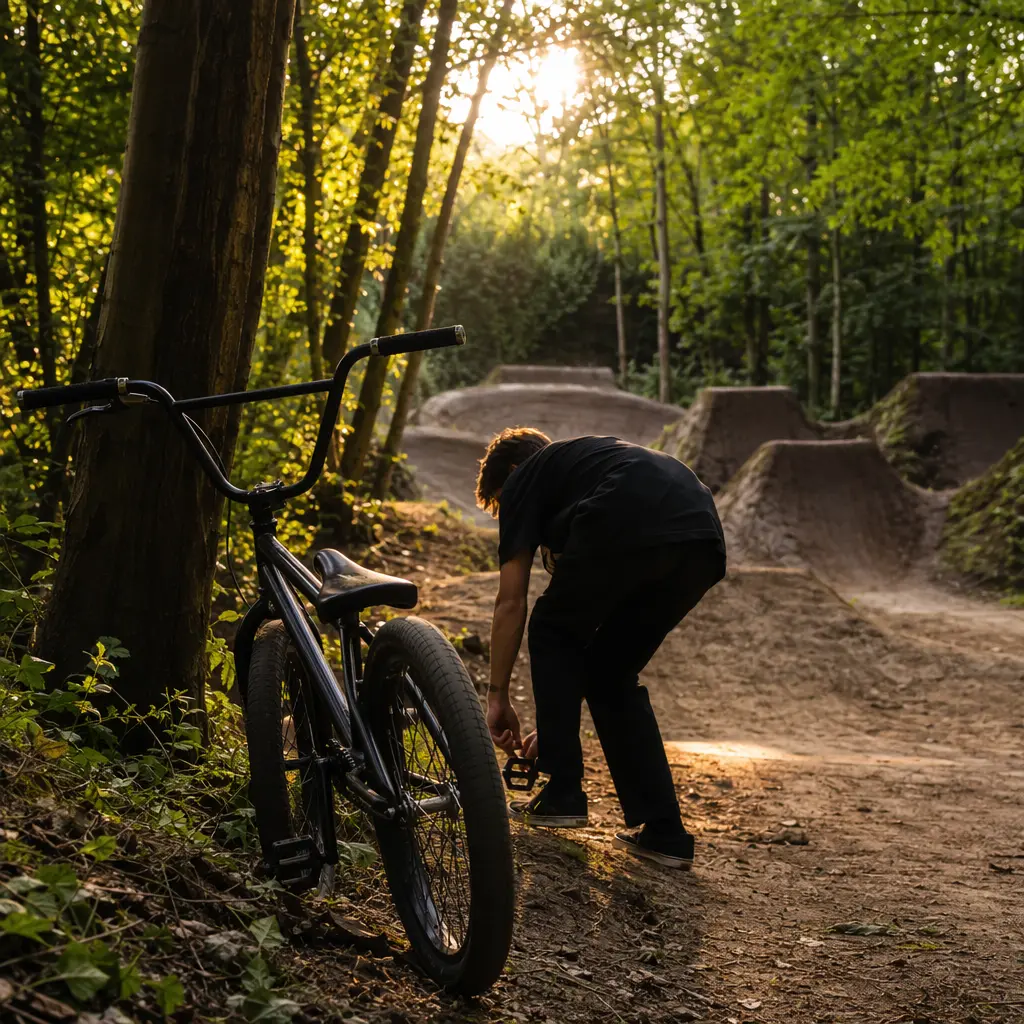
Most BMX bikes under £500 fall into freestyle territory, but there are still differences in focus. Street-oriented BMX bikes often use stronger wheels, shorter rear ends and pegs for grinds. These setups can feel heavier but cope better with repeated impacts on concrete ledges and stairs. Park-focused bikes usually aim for lower weight and quicker handling, making spins and aerial tricks easier to learn at skateparks.
Some riders shopping in this price range also look at dirt jump-style BMX or larger-wheel alternatives. Traditional 20 inch BMX bikes remain the best option for technical freestyle riding, but dirt jump bikes with larger wheels can feel more stable on pump tracks and jumps. For buyers mainly interested in skateparks, manuals and urban tricks, a classic freestyle BMX is normally the more versatile choice.
- Street BMX bikes prioritise strength and stability for grinds and hard impacts
- Park BMX bikes aim for lower weight and faster handling
- Full chromoly frames are uncommon below £500 but partial chromoly is realistic
- Heavier wheelsets can actually benefit newer riders by improving durability
- Tyre width affects comfort and grip, especially on rough skatepark surfaces
Frequently asked questions
Is a lighter BMX always better?
Not necessarily. A lighter bike is easier to lift and spin, but durability matters more for many beginners. A slightly heavier BMX with stronger wheels and better frame construction can survive mistakes and rough landings more comfortably.
What weight should a BMX bike be under £500?
Many complete BMX bikes in this range sit around the low-to-mid 20-pound mark. Exact weight varies depending on frame size, wheel strength, pegs and brake setup. Chasing the lowest possible number is usually less important than overall build quality.
Are sealed bearings worth paying extra for?
Yes. Sealed bearings in hubs, headsets and bottom brackets tend to last longer in wet UK conditions and require less maintenance than loose-ball alternatives. They are especially useful for riders using skateparks or riding regularly.
Should beginners buy a full chromoly BMX?
A full chromoly frame is desirable, but not essential for every new rider. Partial chromoly bikes with reinforced stress areas can still offer a good balance of strength, weight and affordability within this budget.
Can a BMX under £500 handle skatepark and street riding?
Yes. Many BMX bikes in this range are designed specifically for mixed freestyle riding. Strong rims, reliable cranks and decent geometry matter more than expensive upgrades when starting out.
A BMX bike under £500 can provide a strong starting point for years of progression if the core parts are chosen carefully. Prioritising frame quality, durable wheels and sensible geometry usually delivers better value than focusing only on weight figures. For most riders, the sweet spot is a bike that feels solid enough for confidence while still remaining responsive for learning new tricks.
Find these on Amazon
As an Amazon Associate, CheapBikes earns from qualifying purchases.