BMX bikes over £1,000: durability or diminishing returns?
A buyer-focused guide to £1,000+ BMX bikes: who benefits from high-end frames and parts, where the money goes, and when extra spend stops adding real durability.
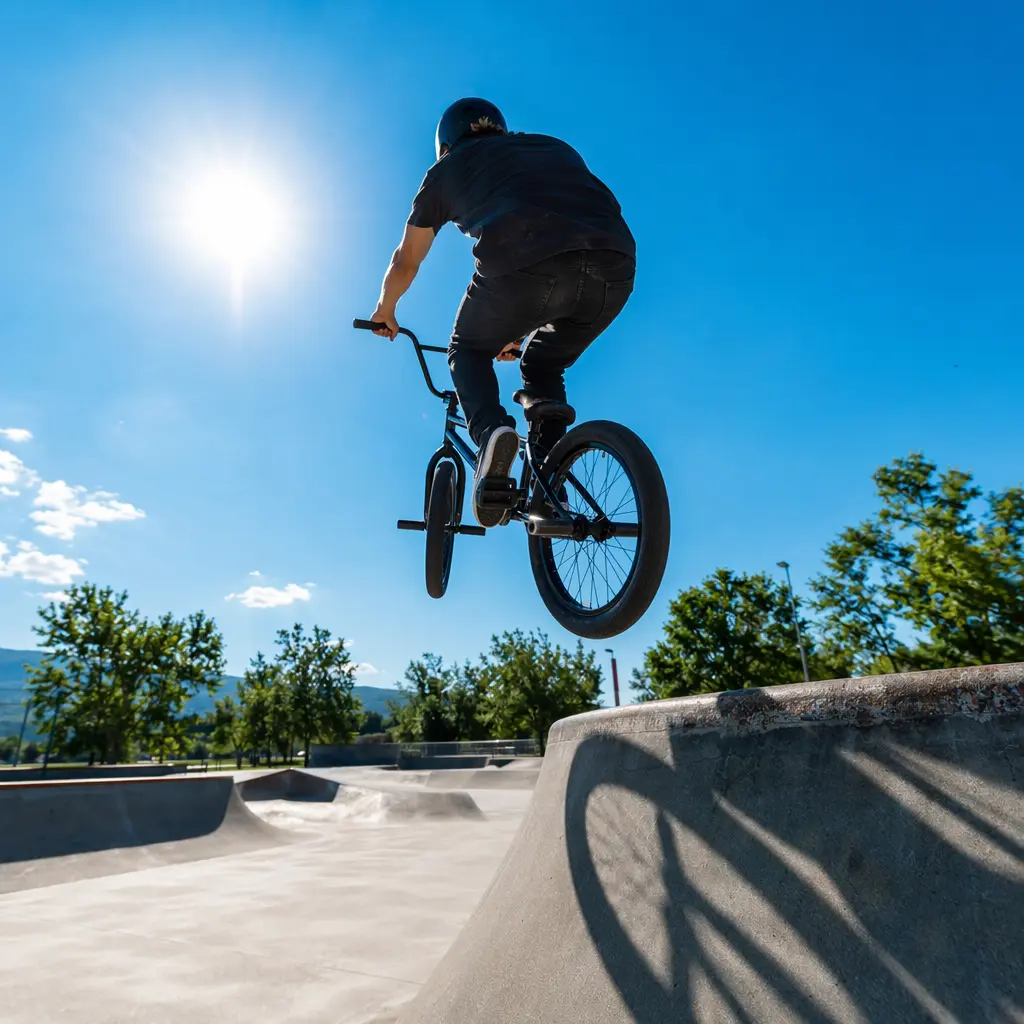
Spending over £1,000 on a BMX raises a fair question: are you paying for genuine strength and performance, or just smaller gains that only a few riders will feel? At this end of the market, bikes promise tougher frames, lighter parts and smoother hubs — but not every rider needs them. This guide breaks down who really benefits from high-end BMX builds, and where the returns start to level off.
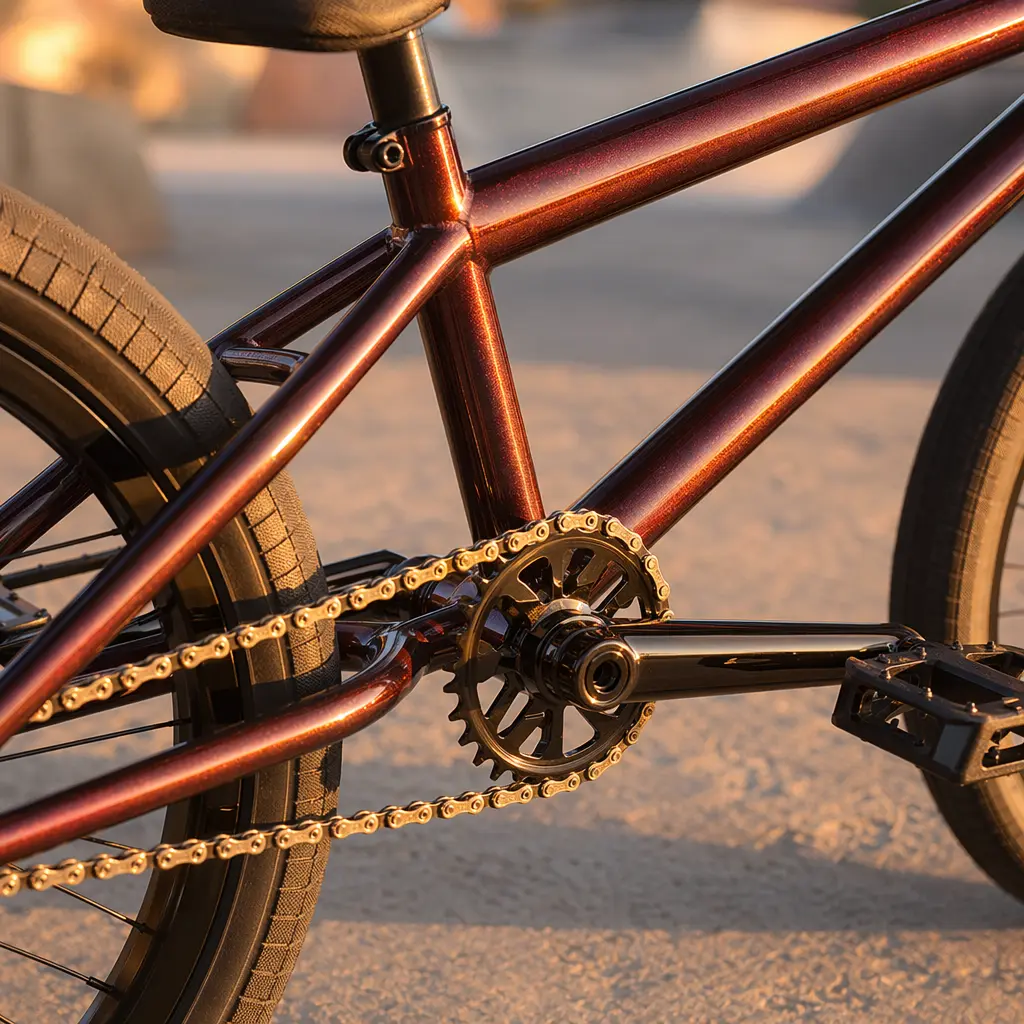
What to look for
Above £1,000, most BMX bikes move beyond entry compromises. The key is understanding which upgrades affect durability and ride feel, and which are mainly about weight or finish.
- Frame material: Full chromoly frames and forks are the norm at this level, offering better fatigue resistance than mixed-steel builds.
- Weld quality and heat treatment: Clean welds and post-weld heat treatment matter more for strength than flashy paint.
- Drivetrain: Higher-end cranks, bottom brackets and sprockets use stronger alloys and tighter tolerances for fewer failures under hard landings.
- Hubs and engagement: Premium cassette hubs often have faster engagement and tougher driver materials, useful for street and park riders.
- Weight: Savings usually come from rims, bars and cranks; lighter can feel livelier, but not if it sacrifices toughness.
- Geometry and sizing: Subtle changes to top tube length or rear-end length can affect stability and spin tricks more than any component swap.
- Included parts: Better tyres, sealed bearings throughout and higher-quality pedals reduce immediate upgrade needs.
Budget and what you're getting
Between £1,000 and around £1,500, the biggest gains are durability and consistency. Frames are designed to take repeated heavy impacts, and components last longer before developing play or rough bearings. Push beyond that, towards £2,000 and up, and the improvements become narrower: lighter rims, more refined hubs, premium finishes and tighter quality control. These are real upgrades, but they don’t double the strength of the bike. For many riders, the sweet spot is where reliability improves without paying heavily for marginal weight savings.
Standout categories or types
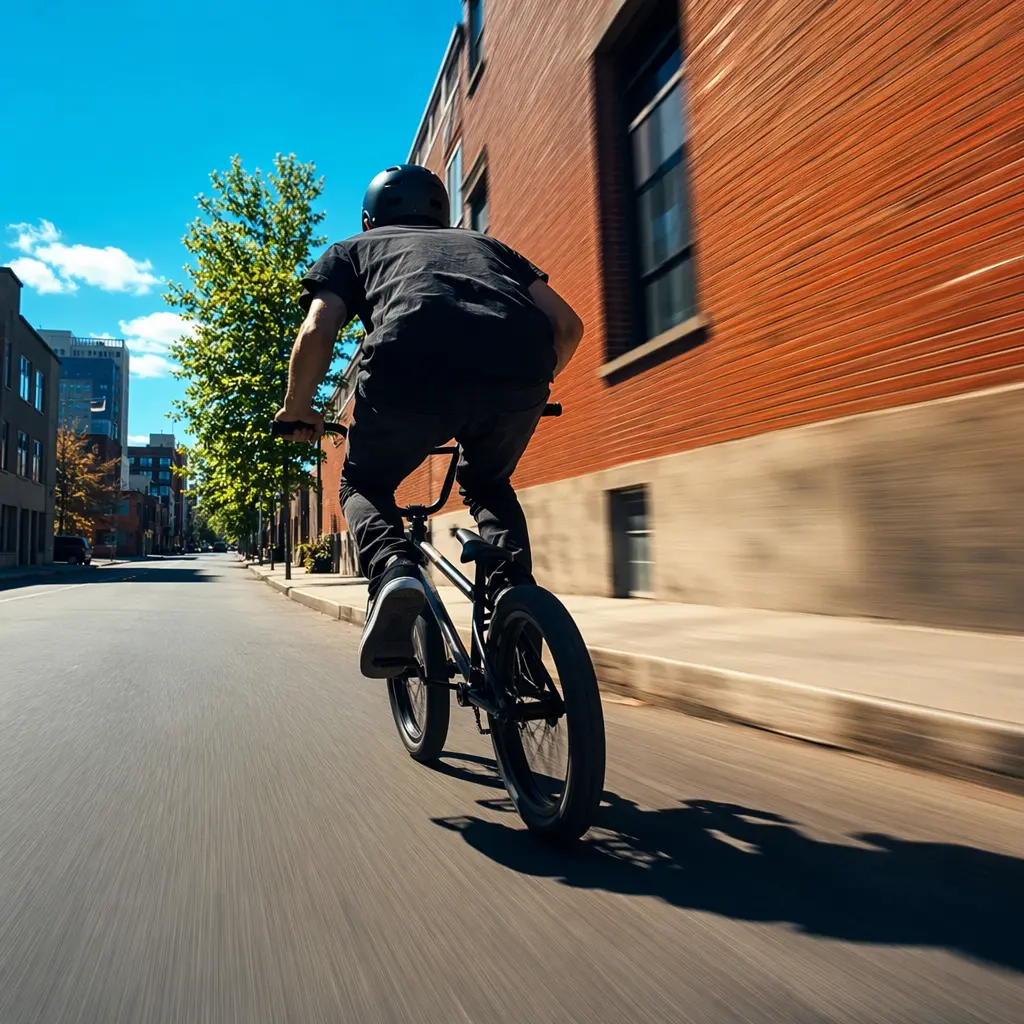
High-end BMX bikes tend to fall into a few clear categories, and choosing the right one is more important than chasing the highest price.
- Street-focused builds: Often prioritise shorter rear ends, pegs included, and ultra-strong rims and cranks. Ideal for ledges, rails and heavy daily use.
- Park-specific bikes: Slightly lighter builds with responsive geometry. Strength is still high, but weight savings are more noticeable here.
- Dirt and trail BMX: Longer wheelbases and more stable geometry, with tougher tyres and frames designed for big jumps rather than pegs.
- Custom-leaning completes: Some £1,500+ bikes are effectively pre-built customs, combining premium aftermarket parts for riders who don’t want to build from scratch.
Frequently asked questions
Who actually needs a BMX over £1,000?
Riders who ride hard and often — particularly street and park riders landing tricks daily — benefit most. The extra spend mainly buys longevity and fewer broken parts, rather than instant skill gains.
Are £2,000+ BMX bikes stronger?
They’re usually not dramatically stronger than good £1,200–£1,500 options. The difference is refinement: lighter components, smoother hubs and premium finishes. Strength gains tend to taper off.
Will a high-end BMX make tricks easier?
A lighter, well-balanced bike can feel more responsive, but geometry and rider technique matter more. Don’t expect expensive parts to replace practice.
Is it better to buy a complete or build custom?
High-end completes offer good value and compatibility. Custom builds make sense if you already know exactly which geometry and parts you prefer.
In short, BMX bikes over £1,000 deliver real benefits — but mainly for riders who push their kit hard. If durability, reduced downtime and a dialled-in feel matter to you, the investment makes sense. If not, a well-chosen mid-range BMX will ride much the same, leaving more budget for travel, park sessions and replacement parts.
Find these on Amazon
As an Amazon Associate, CheapBikes earns from qualifying purchases.