£300 vs £500 BMX bikes: what you really give up
A straight-talking look at what changes between a £300 and £500 BMX bike — from frame steel and bearings to wheels and cranks — and how those differences affect durability for park and street riding.
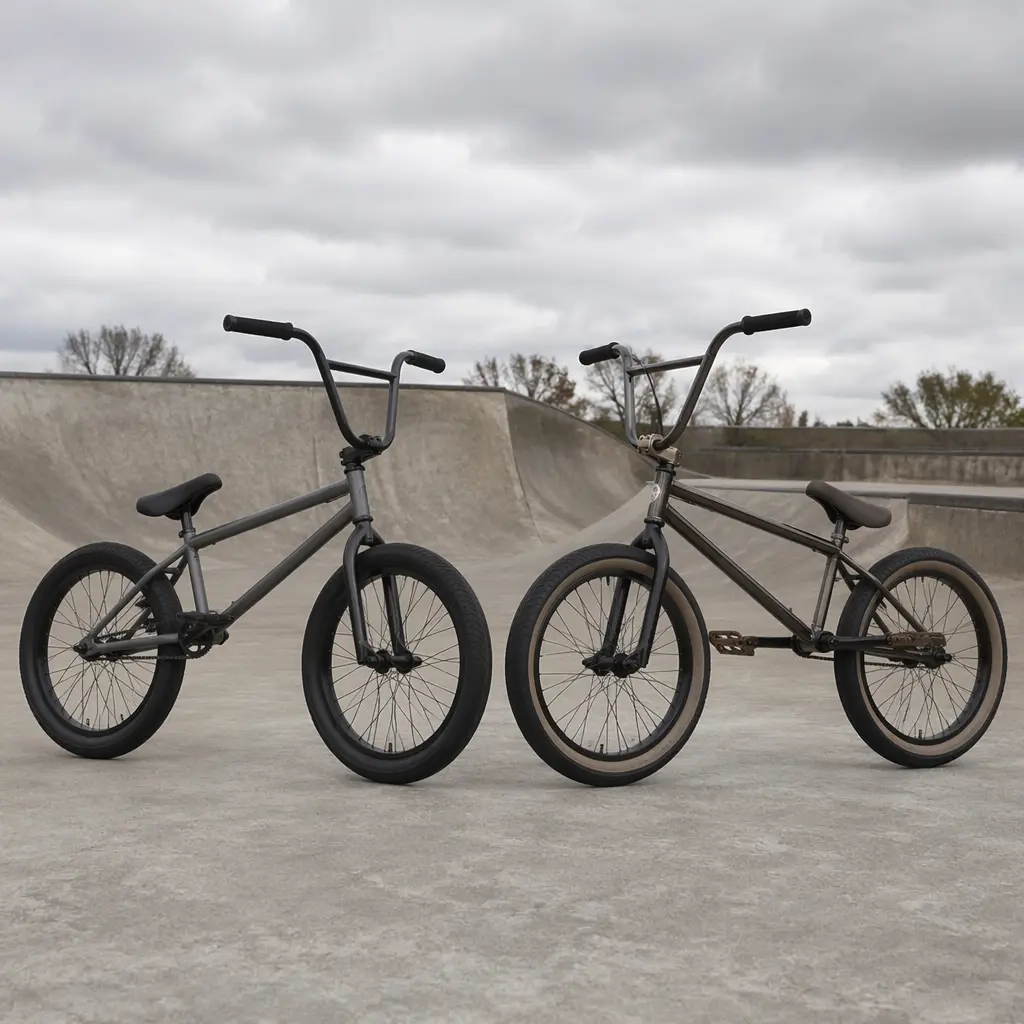
A £300 BMX bike and a £500 BMX bike can look similar from a distance. Both roll on 20-inch wheels, both are aimed at park or street riding, and both promise to handle jumps and tricks. The difference shows up over time. This guide explains what you typically give up — and what you gain — when stretching your budget, with a focus on frame quality and components that affect durability.
What you actually get at this price
At around £300, BMX bikes are built to hit a price point. They’re rideable and fine for learning basics, but materials and components are chosen for affordability rather than long-term abuse. At £500, you’re moving into bikes designed to cope with harder landings, repeated impacts and progression.
Here’s how the typical spec differs across the two budgets.
- Frame material: £300 bikes usually use hi-tensile steel throughout; £500 bikes often add chromoly to the main triangle or forks for strength without excessive weight.
- Forks and bars: basic straight-gauge steel at £300; thicker, heat-treated chromoly more common at £500.
- Cranks: one-piece or basic tubular three-piece at £300; stronger three-piece chromoly cranks at £500.
- Bottom bracket and hubs: loose-ball bearings at £300; sealed cartridge bearings more likely at £500.
- Wheels: single-wall rims and basic spokes at £300; double-wall rims and better spoke quality at £500.
- Rear hub: threaded freewheel at £300; cassette hub with a stronger driver at £500.
- Brakes: simple U-brake setups at both prices, but £500 bikes tend to have smoother levers and better cable routing.
- Extras: pegs, hub guards and aftermarket grips are rarely included at either price.
How to choose
The right choice depends on how hard you plan to ride and how quickly you expect to progress. For casual park sessions, pump tracks and learning hops or manuals, a £300 BMX is usually sufficient. It will feel heavier and less refined, but it won’t hold you back at beginner level.
If street riding, drops and repeated attempts at tricks are the goal, durability matters more than saving £200. Chromoly frames and sealed bearings cope better with knocks, poor landings and wet UK conditions. Geometry also tends to be more consistent at £500, which helps confidence as speeds increase.
What to look out for
- Weight: hi-ten steel frames and forks add noticeable heft, making spins and hops harder.
- Bearing wear: loose-ball hubs and bottom brackets need adjustment and wear out faster.
- Wheel strength: single-wall rims are more likely to dent when landing sideways.
- Crank durability: cheaper one-piece cranks can bend under heavier riders.
- Limited upgrade path: some budget frames lack clearance or mounts for common BMX upgrades.
Worth spending more on
Even on a £300 BMX, a few upgrades can improve ride feel and longevity. Tyres with thicker sidewalls reduce pinch flats and improve grip on concrete. Better grips and pedals add control and comfort without changing the bike’s core.
Safety and security are also good places to spend. A well-fitting helmet and a solid lock matter more than shaving a little weight off the bike, especially if it’s used for travel to and from the park.
Frequently asked questions
Is a £300 BMX strong enough for street riding?
It can be, but expect faster wear. Light street use is fine, but repeated drops and failed tricks are more likely to damage wheels, cranks and bearings.
Does chromoly really make a difference?
Yes. Chromoly steel is stronger for its weight, so frames and forks flex less and resist cracking better than hi-ten steel when ridden hard.
Can a cheaper BMX be upgraded later?
Some parts can, but upgrading wheels, cranks and bearings quickly adds up. Starting with a stronger frame at £500 often works out cheaper long term.
Which is better for beginners?
For younger or lighter riders learning basics, £300 is fine. Heavier riders or those planning to progress quickly will benefit from spending more upfront.
In short, £300 BMX bikes get you riding, while £500 bikes are built to last longer under pressure. The right choice comes down to how hard you ride and how soon you want to upgrade.
Find these on Amazon
As an Amazon Associate, CheapBikes earns from qualifying purchases.