Ridgeback Comet: the quiet hybrid that became a commuter staple
The Ridgeback Comet built a reputation as a dependable flat-bar hybrid for commuting, towpaths and everyday miles, balancing practical kit, relaxed handling and sensible pricing.
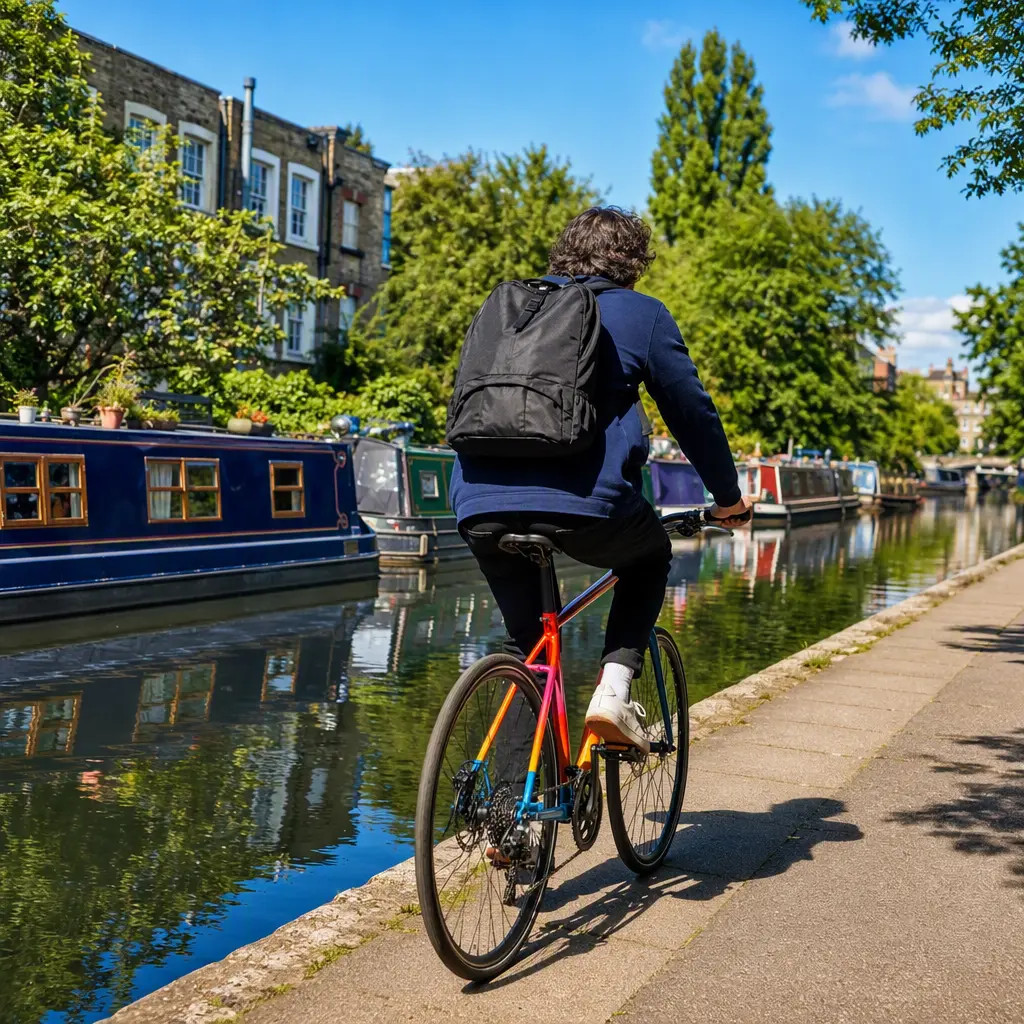
The Ridgeback Comet has spent years occupying a very practical corner of the UK bike market: the dependable hybrid that simply gets on with the job. It is the sort of bike often spotted locked outside stations, rolling along canal towpaths or carrying panniers through weekday traffic rather than appearing in flashy showroom launches. That low-key reputation is part of the appeal. For riders who want a comfortable flat-bar bike for commuting, fitness rides and general everyday use, the Comet has long sat in the sweet spot between supermarket-budget bikes and more expensive enthusiast hybrids.
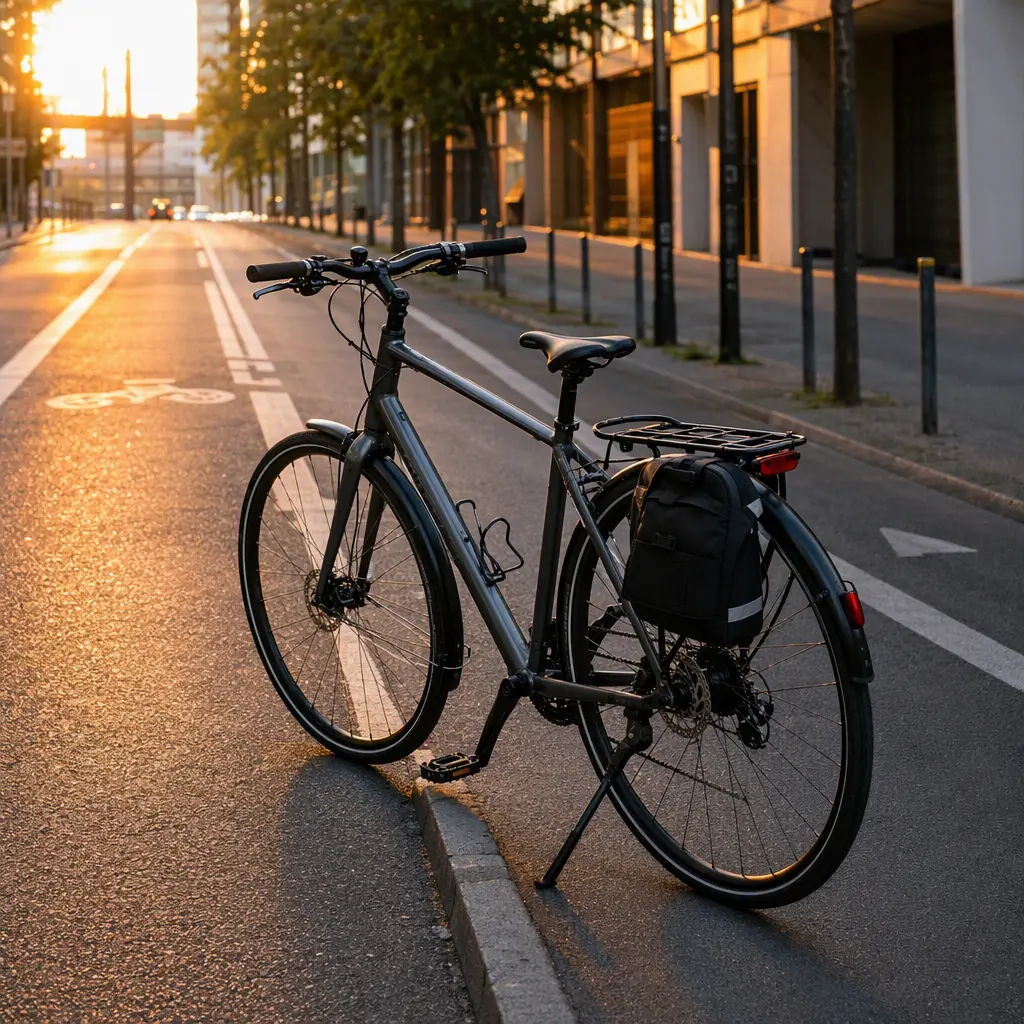
Where it came from
Ridgeback built its reputation in the UK around practical bikes designed for real-world riding rather than racing. The Comet family emerged as part of that broader push towards versatile hybrids that could handle weekday commuting, leisure cycling and light fitness riding without demanding specialist clothing or constant maintenance. While mountain bikes dominated parts of the market in earlier decades, hybrids like the Comet became increasingly popular with riders who wanted a more efficient and comfortable option for roads, paths and mixed urban surfaces.
In UK bike shops, the Comet typically sat as an accessible entry into Ridgeback's hybrid range. It was never aimed at high-performance road cyclists or aggressive off-road riders. Instead, it appealed to commuters, returning cyclists and riders replacing an ageing mountain bike with something faster on tarmac. The family developed a following because it combined familiar upright handling with practical details such as rack mounts, mudguard clearance and straightforward components that local bike shops could service easily.
Why it works
The Comet's appeal comes from balance rather than headline features. Most versions use a relaxed aluminium frame with flat handlebars, moderately wide tyres and stable steering geometry that feels predictable in traffic and comfortable over rough city streets. The riding position tends to be upright enough for visibility in urban riding while still efficient enough for longer weekend spins. For many UK riders, that middle ground is exactly the point.
Component choices across the family have usually leaned towards reliability and sensible running costs rather than chasing the lightest possible weight. Typical builds include mechanical disc brakes or dependable rim brakes depending on age and trim level, straightforward geared drivetrains and puncture-resistant tyres suited to wet roads and cycle paths. Many examples also accommodate mudguards and panniers without awkward aftermarket solutions, which matters for riders carrying work gear or shopping.
- Relaxed hybrid geometry suited to commuting and leisure rides
- Flat handlebars for confident low-speed control in traffic
- Mounts for mudguards, panniers and practical accessories
- Tyres wide enough for towpaths and rough urban surfaces
- Straightforward components that are usually easy to service
- Comfort-focused fit without feeling excessively upright
Who it's for
The Comet suits riders who want one bike to cover several jobs reasonably well rather than excelling at one niche. Typical owners include daily commuters, weekend leisure riders, university students and people returning to cycling after a long break. It is particularly well matched to mixed urban riding where roads, cycle lanes and occasional gravelly paths all appear in the same journey. Budget-wise, older second-hand examples often sit in affordable territory, while newer models generally occupy the sensible mid-range hybrid bracket rather than premium pricing.
Variants and what to look for today
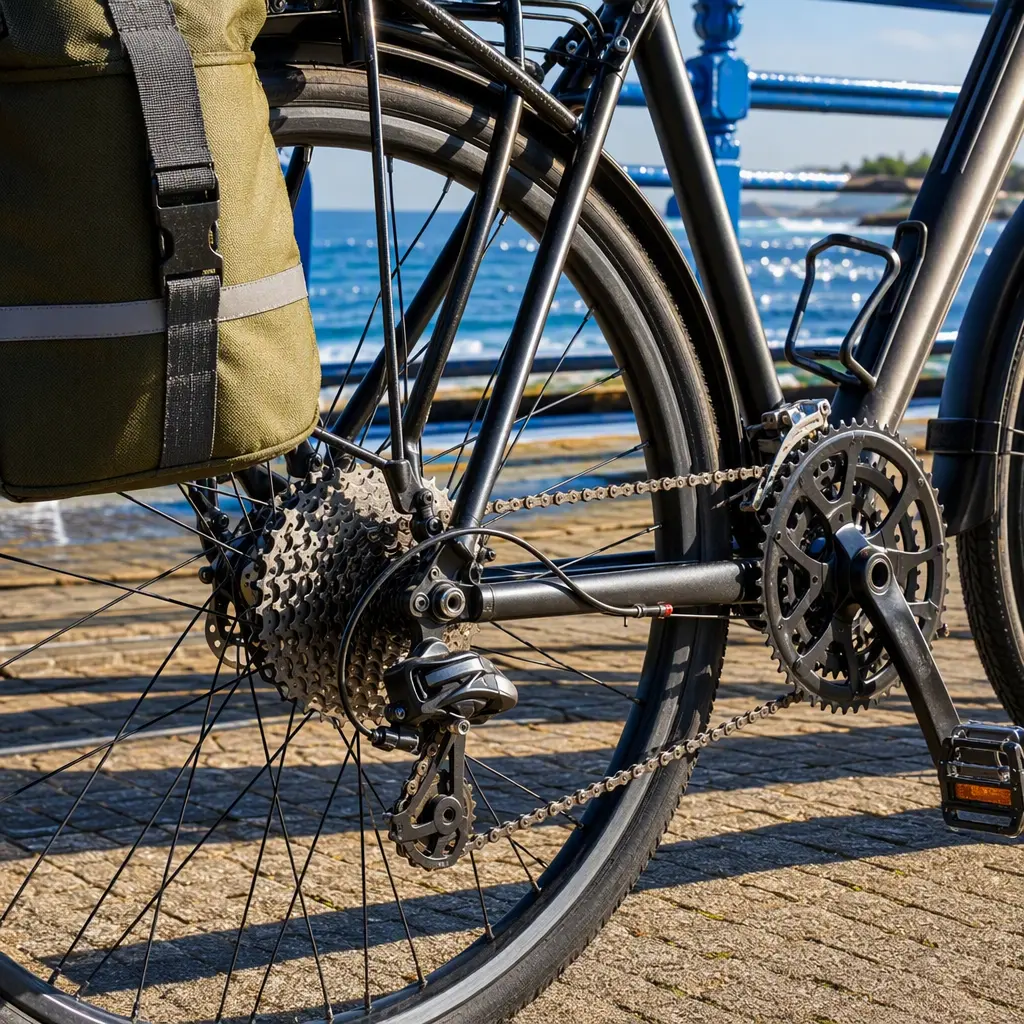
Over the years, the Comet name has covered several trims aimed at slightly different budgets. Entry-level versions generally focus on simplicity and value, often with basic but durable gearing and either rim or mechanical disc brakes. Mid-range builds usually add smoother-shifting drivetrains, better finishing kit and improved wheelsets, while higher trims may include lighter forks, hydraulic disc brakes or upgraded contact points such as saddles and grips.
Second-hand buyers should pay attention to practical wear rather than cosmetic scratches. A Comet used for commuting may have covered substantial mileage through winter conditions, so check for drivetrain wear, seized bolts, rim corrosion on older bikes and signs of neglected bearings. Disc-brake models should be inspected for rotor wear and brake rub, while older rim-brake versions deserve a close look at wheel sidewalls. Because these bikes are popular with commuters, it is also worth checking frame numbers and ownership history carefully before buying.
- Entry trims: basic commuter-focused setup with practical gearing
- Mid-range trims: upgraded brakes and smoother transmission parts
- Higher trims: lighter finishing kit and stronger all-weather capability
- Check chain, cassette and brake wear on used examples
- Inspect mudguard and rack mounts for corrosion or damage
- Confirm the frame number has not been removed or altered
Frequently asked questions
Is the Ridgeback Comet good for commuting?
Yes. The Comet family is particularly well suited to commuting thanks to its stable handling, comfortable riding position and ability to take mudguards and panniers. It is designed more for practicality than outright speed.
Can a Ridgeback Comet handle gravel paths?
Most Comet models cope well with canal towpaths, compact gravel tracks and rough cycle paths. They are not mountain bikes, but the wider tyres and relaxed geometry make them capable on light mixed surfaces.
Are older Comet models still worth buying?
Many older examples remain good-value everyday bikes if maintained properly. The key is checking for drivetrain wear, corrosion and neglected servicing rather than focusing purely on age.
What accessories suit the Comet best?
Mudguards, pannier racks, rechargeable lights and puncture-resistant tyres are popular upgrades. The frame design generally supports practical commuting accessories without difficulty.
The Ridgeback Comet never relied on racing pedigree or flashy technology to build its following. Instead, it became a familiar sight because it addressed the everyday realities of UK cycling: uneven roads, wet weather, short commutes, weekend rides and the need for a bike that works without drama. For riders seeking a capable all-round hybrid with a long-standing practical reputation, the Comet continues to make a strong case.
Find these on Amazon
As an Amazon Associate, CheapBikes earns from qualifying purchases.