Gravel bikes vs hybrids for canal paths and towpaths
Choosing between a gravel bike and a hybrid for canal paths? We compare comfort, control and value on mixed surfaces to help UK riders pick the best bike for towpaths and everyday riding.
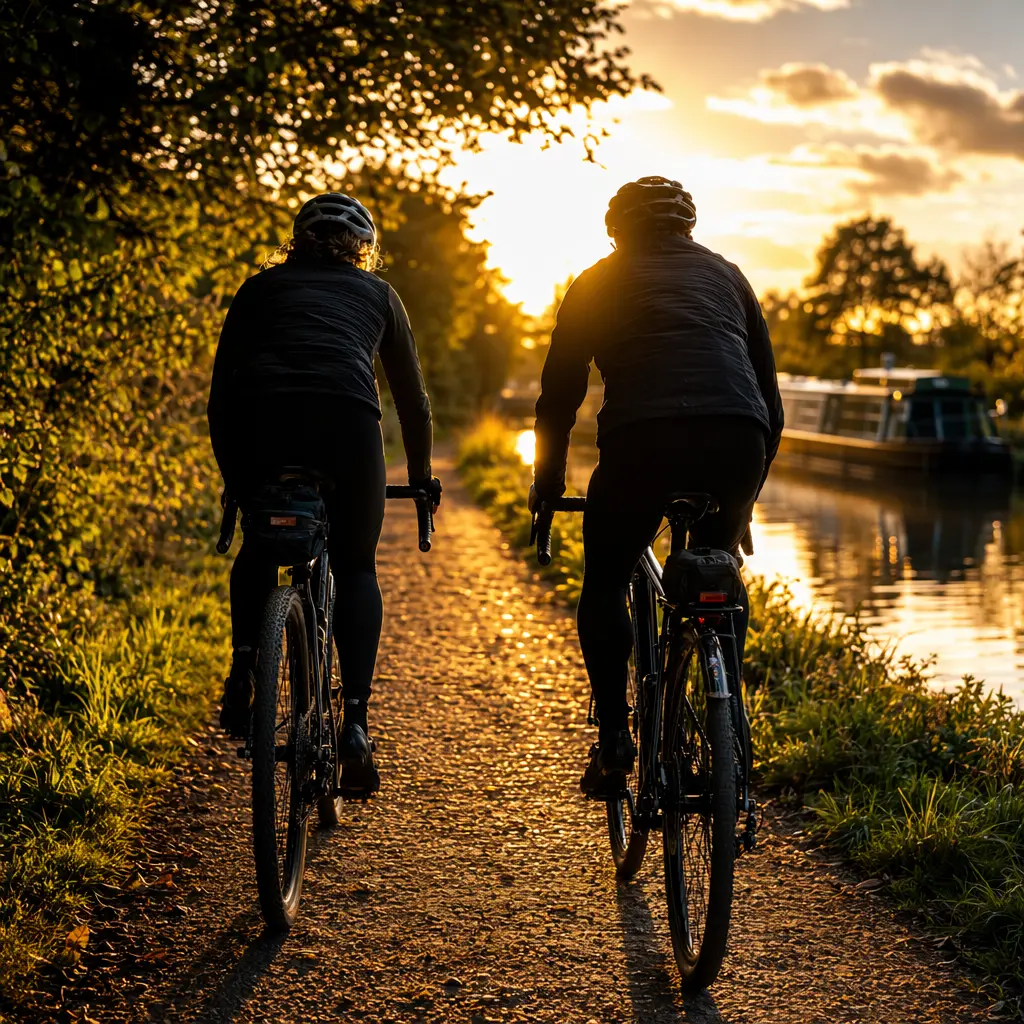
Canal paths and towpaths are brilliant for traffic-free riding, but they can be a mixed bag under your tyres. One minute it’s smooth tarmac, the next it’s gravel, mud or tree roots. If you’re choosing a bike mainly for these routes, the common dilemma is gravel bike or hybrid. Both promise versatility and value, but they go about it in different ways — and the best choice depends on comfort, control and how you’ll actually ride.
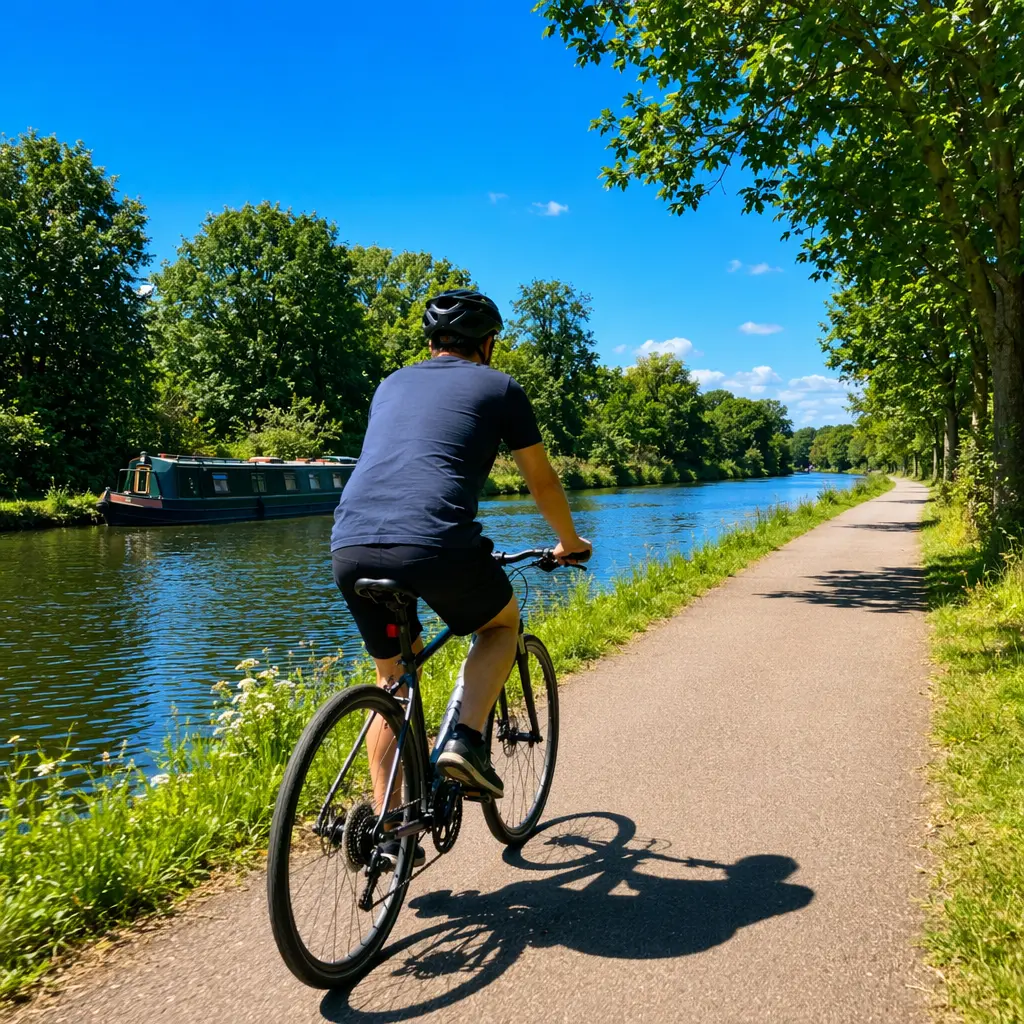
What to look for
Towpath riding puts specific demands on a bike. It’s not full-on off-road, but it’s rougher and less predictable than a road commute. These are the features that matter most when comparing gravel bikes and hybrids.
- Gearing: Wide-range gears help on short, steep ramps, bridges and when surfaces slow you down. Gravel bikes often use road-style gears with a wide cassette; hybrids usually have mountain-style gearing that’s easier at low speeds.
- Frame material: Aluminium is most common and good value. Steel can add comfort on rough paths but is heavier and rarer at lower prices.
- Brake type: Disc brakes are a big plus on towpaths, especially in wet or muddy conditions. Mechanical discs are common at lower budgets; hydraulic discs offer better control if you can afford them.
- Geometry: Gravel bikes have a longer, lower riding position inspired by road bikes. Hybrids are more upright, which many riders find easier and more comfortable for casual riding.
- Fit: Standover height, reach and handlebar width matter more than tiny spec differences. A relaxed fit reduces strain on longer canal rides.
- Weight: Lighter bikes feel livelier, but on towpaths tyre choice and comfort usually matter more than shaving a kilo.
- Included accessories: Hybrids are more likely to come with mounts — or even fitted — for mudguards, panniers and kickstands. Gravel bikes often need these added separately.
Budget and what you're getting
At entry to mid-level budgets, both gravel bikes and hybrids involve compromises. Expect aluminium frames, basic but reliable components and wheels designed for durability rather than speed. On gravel bikes, lower prices often mean simpler drivetrains and heavier wheels, but you still get drop bars and clearance for wider tyres. Hybrids at similar money usually prioritise comfort and practicality, sometimes at the expense of outright speed. Neither option is “cheap rubbish” if you stick to reputable retailers, but don’t expect premium finishes or featherweight builds.
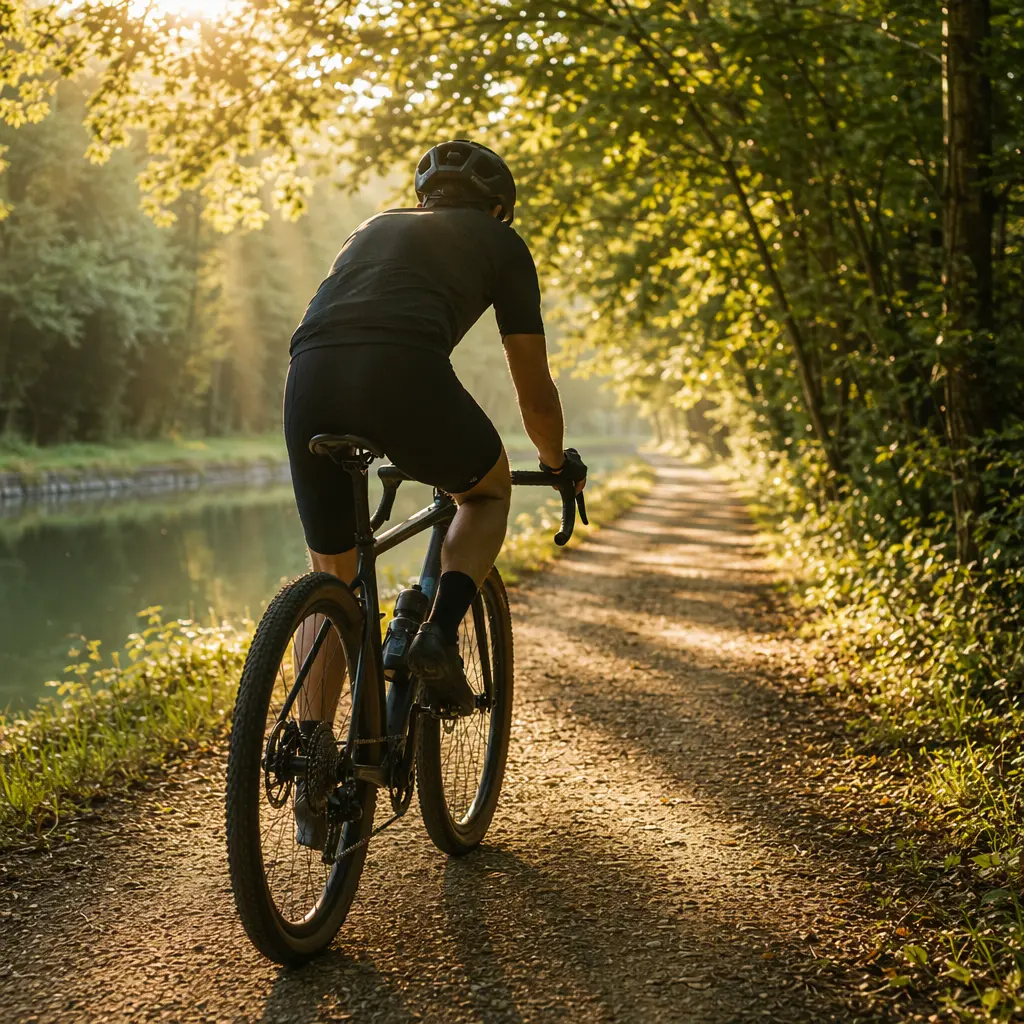
Standout categories or types
Within the broad labels of gravel bike and hybrid, there are useful sub-types to be aware of. Not all gravel bikes are aggressive, and not all hybrids are slow.
- Gravel bikes with relaxed geometry: Some are closer to endurance road bikes, offering a higher front end and more comfort. These suit longer towpath rides without the stretched race-bike feel.
- Adventure-focused gravel bikes: Designed for stability and load-carrying, often with extra mounts. Great if you plan to use panniers on canal routes.
- Flat-bar hybrids: The most common type, ideal for easy control at low speeds and frequent stops. Well suited to shared towpaths with pedestrians.
- Suspension hybrids: Front suspension can take the edge off rough sections, but adds weight and complexity. Many riders prefer a rigid fork with wider tyres instead.
Frequently asked questions
Are gravel bikes uncomfortable on canal paths?
Not necessarily. Comfort comes more from tyre width, pressure and fit than from the label on the bike. A gravel bike with 38–45mm tyres run at sensible pressures can be very comfortable on towpaths.
Do hybrids handle mud better?
Hybrids often come with tyres that prioritise durability over grip. Gravel bikes usually allow for more aggressive tread patterns, which can offer better control on muddy sections — assuming you fit the right tyres.
Which is better for beginners?
Many beginners find hybrids more intuitive thanks to flat handlebars and an upright position. Gravel bikes suit riders happy with drop bars or those coming from a road-cycling background.
Can either bike be used for commuting as well?
Yes. Hybrids often make commuting simpler due to easier fitting of mudguards and panniers. Gravel bikes can commute well too, but may need extra accessories added.
For canal paths and towpaths, there’s no single ‘right’ answer. Gravel bikes reward riders who want efficiency, varied hand positions and the option to go further off-road. Hybrids shine for straightforward comfort, easy handling and everyday practicality. Think about how you’ll ride most often, not just the surface under your tyres, and you’ll get better comfort, control and value in the long run.
Find these on Amazon
As an Amazon Associate, CheapBikes earns from qualifying purchases.