Giant Propel: aero road speed for UK club riders
Giant’s Propel family made aero road bikes mainstream in the UK, blending wind‑tunnel shaping with everyday fit, sensible kit choices and prices that kept club riders interested.

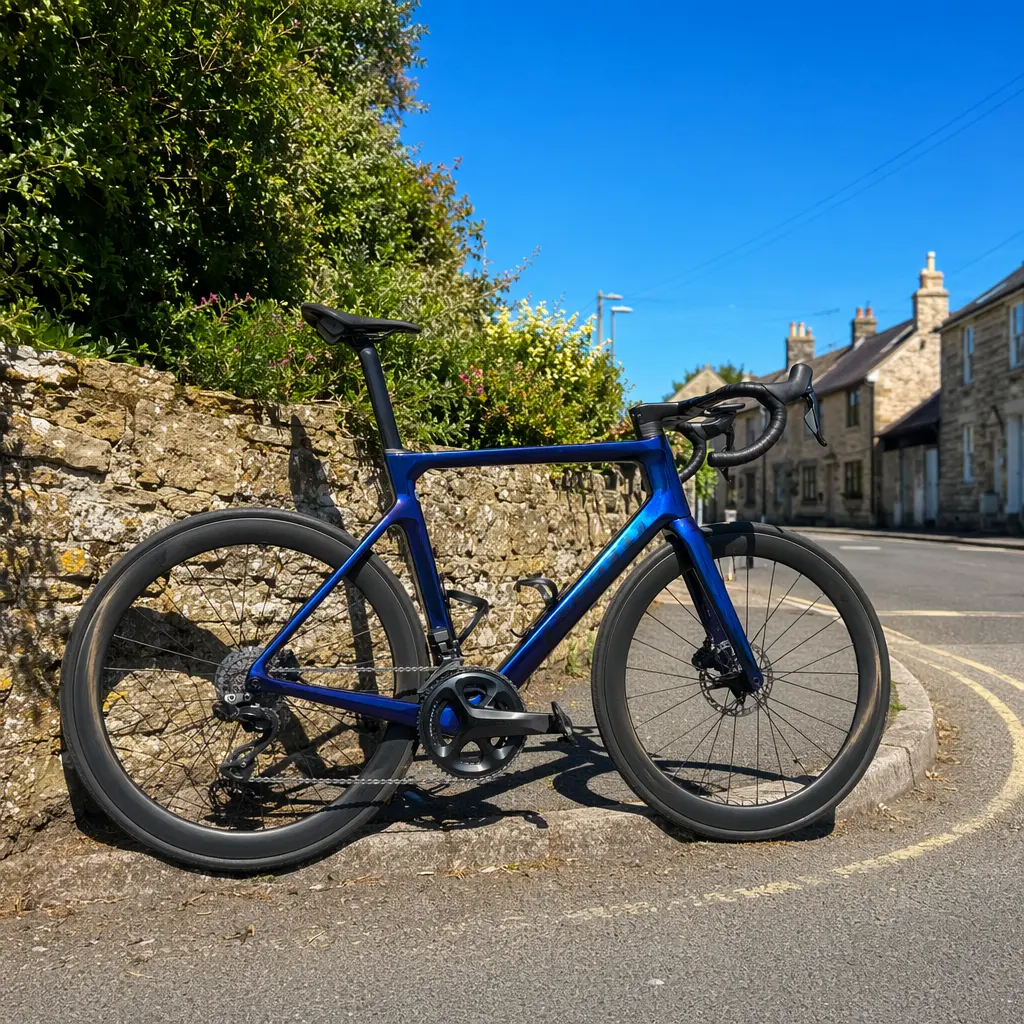
The Giant Propel is the bike family that helped normalise aero thinking for everyday UK road riders. When it arrived, deep tubes and hidden cables were still seen as pro‑only indulgences. The Propel brought wind‑tunnel shaping into a price band club riders could reach, without turning the ride into a torture rack. Today it sits as Giant’s go‑fast road option: racier than an all‑rounder, more practical than a pure time‑trial machine.
Where it came from
Launched in 2013, the Propel marked Giant’s push to translate wind‑tunnel data into a production road bike aimed squarely at racing and fast club miles. Giant’s scale mattered here: as one of the world’s biggest bike manufacturers, it could develop proprietary tubing, integrated components and carbon layups, then sell them through a wide UK dealer network.
In the UK market the Propel quickly became a familiar sight at weekend chaingangs and local crits. It was positioned as the aero sibling to Giant’s endurance and all‑round road families, offering clear aerodynamic gains without abandoning everyday road manners. Over successive updates, Giant refined integration and comfort while keeping the core idea intact.
Why it works
At heart, the Propel is about managing airflow around the whole bike–rider system. Truncated aero tube profiles, smoothed junctions and tidy cable routing reduce drag where it counts, but the geometry avoids the extreme positions that can make aero bikes a chore on UK roads. It’s still a low, purposeful setup, yet one most riders can hold for a full club run.
Giant also leaned on practical choices. Frames are stiff under power, but later generations improved vertical compliance to take the sting out of chipseal and patched tarmac. Clearances grew enough to accept modern, wider road tyres, which matters on British surfaces. Typical builds balance aero gains with serviceable components rather than exotic one‑offs.
- Aero‑shaped carbon frames designed using wind‑tunnel testing
- Integrated cockpits or tidy internal routing to reduce drag
- Race‑leaning geometry that remains usable for club distances
- Clearance for wider tyres than early aero bikes allowed
- Consistent sizing and fit across the range
Who it’s for
The Propel suits riders who value speed on the flat and rolling terrain: club racers, fast group‑ride regulars, and anyone who enjoys pushing the pace between village signs. It’s less about loaded touring or winter hacking, more about efficiency and intent. Budget‑wise, the family has spanned from upper mid‑range to premium, with used examples often bringing aero performance into more approachable territory.
Variants and what to look for today
Across its lifespan, the Propel family has typically been offered in entry, mid and top trims, sharing the same aero DNA but differing in carbon grade, finishing kit and wheel depth. Lower trims prioritise value and durability, while higher tiers chase weight savings and cleaner integration.
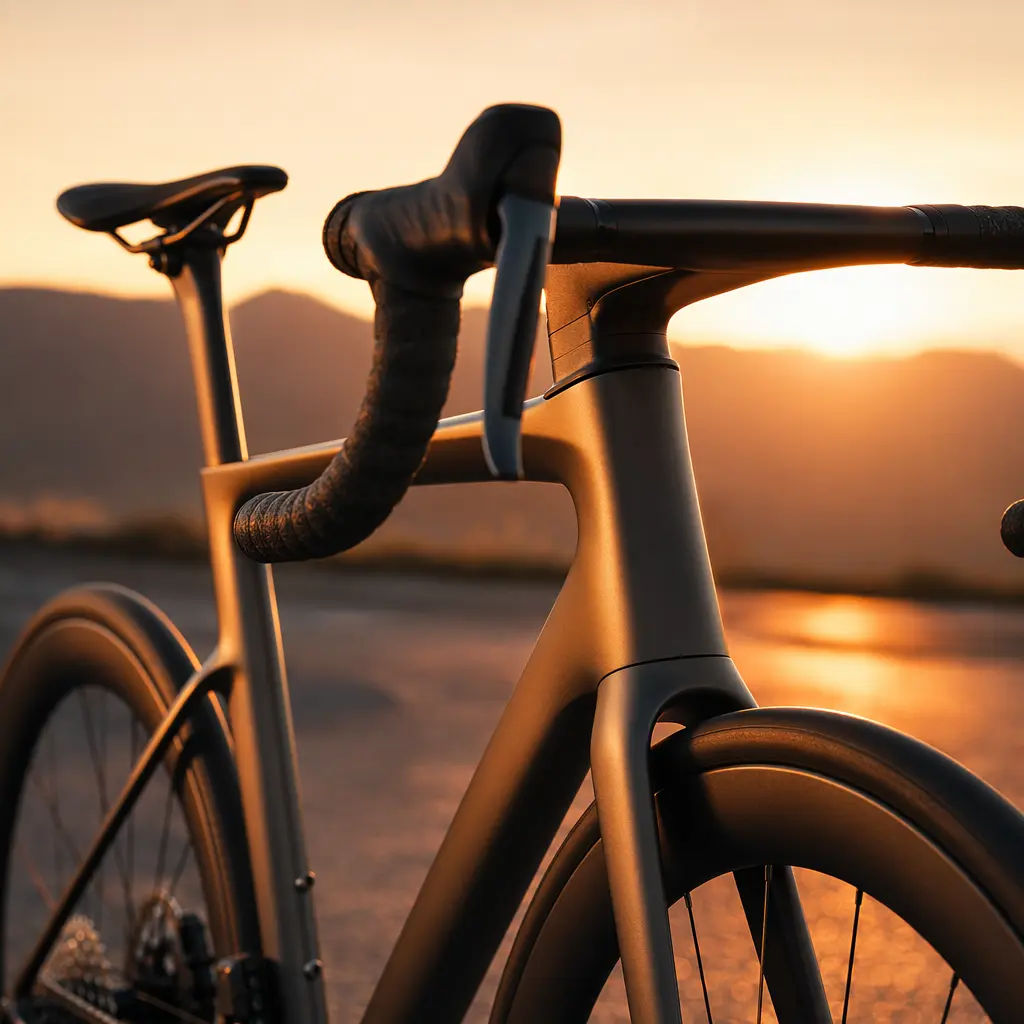
If you’re considering one now, especially second‑hand, pay attention to the practicalities of aero design. Check that integrated bars and seatposts are the correct size for you, as swaps can be costly. Inspect internal cable routing for smooth operation and listen for creaks around the bottom bracket and cockpit. Wheel condition matters too: deep rims take knocks from potholes less kindly.
Frequently asked questions
Is the Propel uncomfortable on UK roads?
Earlier aero bikes had a reputation for harshness, but later Propels improved compliance. With sensible tyre widths and pressures, most riders find them firm rather than punishing on typical British tarmac.
Can it handle hills as well as flats?
While not a featherweight climber, the Propel’s stiffness and modern gearing make it perfectly capable on rolling terrain and longer climbs. Its advantage shows most clearly when speeds stay high.
Is maintenance harder because of the integration?
Integrated cockpits and internal routing can add time to servicing, particularly for cable changes. Using a shop familiar with the design helps, and it’s worth factoring this into running costs.
Does it take mudguards?
Like most aero road bikes, the Propel isn’t designed with mudguards in mind. Some riders use clip‑on options for damp days, but it’s not a winter‑first machine.
As aero thinking has filtered through the road market, the Giant Propel remains a reference point for value‑conscious speed. It shows how wind‑tunnel ideas can be packaged for real roads and real riders, making it a familiar, fast companion on UK club runs more than a decade after its debut.
Find these on Amazon
As an Amazon Associate, CheapBikes earns from qualifying purchases.