The Brompton G Line: Taking the famous fold off smooth tarmac
Brompton’s G Line stretches the classic fold towards rougher routes, blending bigger wheels and tougher kit with the brand’s compact, UK-friendly folding ethos.
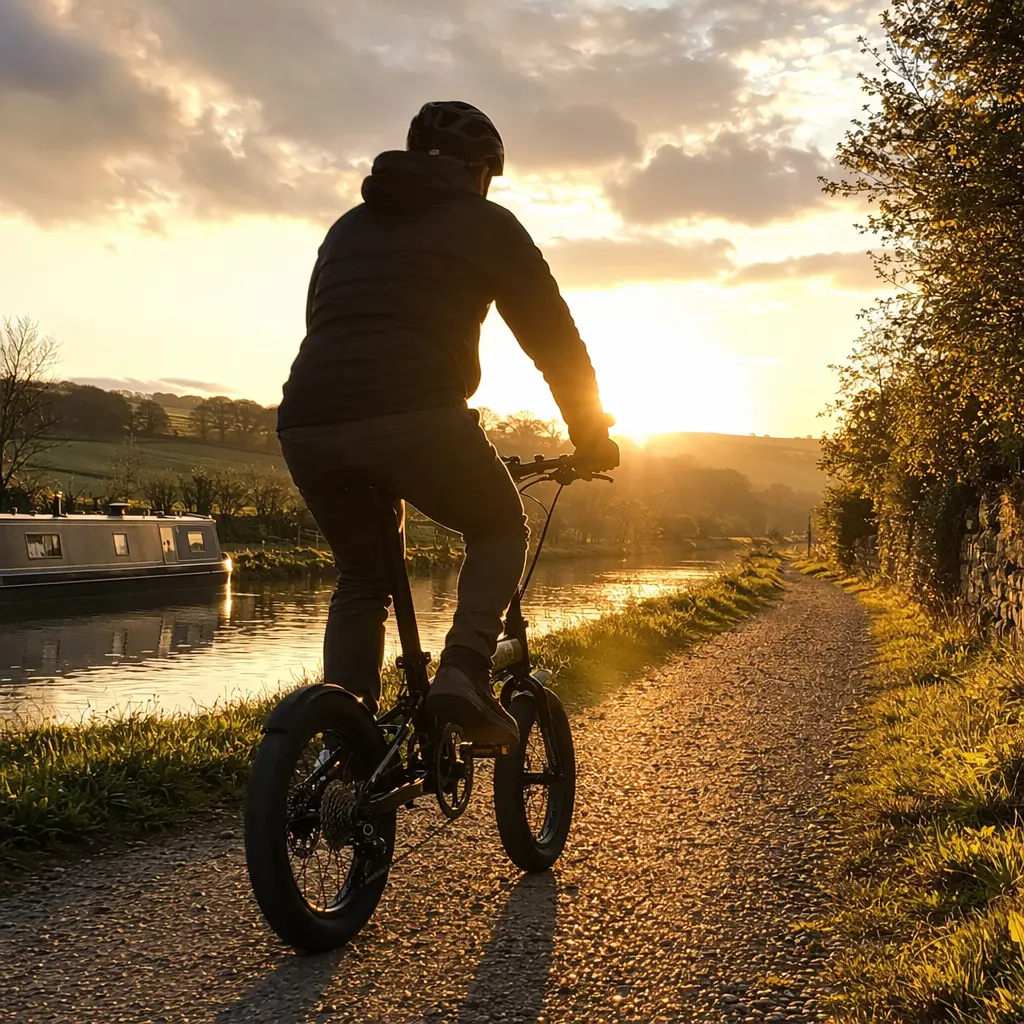
For decades, Brompton has been synonymous with neat city folds, railway platforms and smooth urban miles. The G Line marks a clear shift in emphasis. It keeps the unmistakable Brompton folding DNA, but stretches it towards rougher surfaces, longer rides and riders who don’t stop when the tarmac does. In UK terms, it’s Brompton stepping beyond the commute and into towpaths, park trails and broken back lanes.
Where it came from
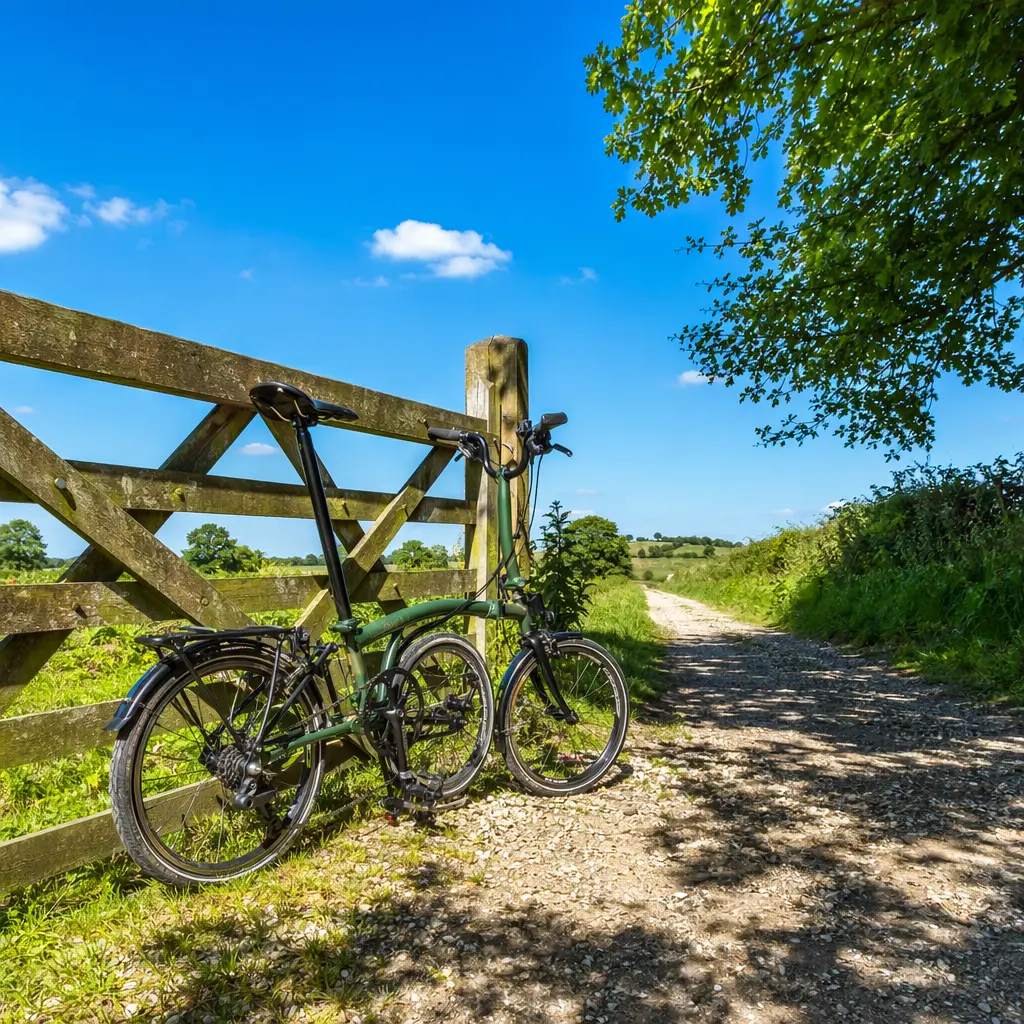
Brompton’s roots are firmly urban, with the classic small-wheeled folder refined over years of London commuting. As UK riding habits have broadened — more mixed-surface routes, more leisure riding close to home — the limitations of ultra-small wheels and skinny tyres have become clearer. The G Line answers that shift, aiming to make the Brompton idea viable well beyond smooth streets.
Still designed and positioned as a premium folding bike, the G Line is sold through Brompton’s established UK dealer network and direct channels. It sits above entry-level folders in price and intent, targeting riders who want the convenience of a proper fold but refuse to plan every ride around perfect road surfaces.
Why it works
The core idea of the G Line is simple: make a folding bike that feels less nervous and more confident when the surface deteriorates. That means larger wheels than a traditional Brompton, noticeably wider tyres, and geometry that favours stability over razor-sharp urban agility. The result is a ride that feels calmer on gravel paths, cobbles and cracked tarmac, without abandoning the compact fold that defines the brand.
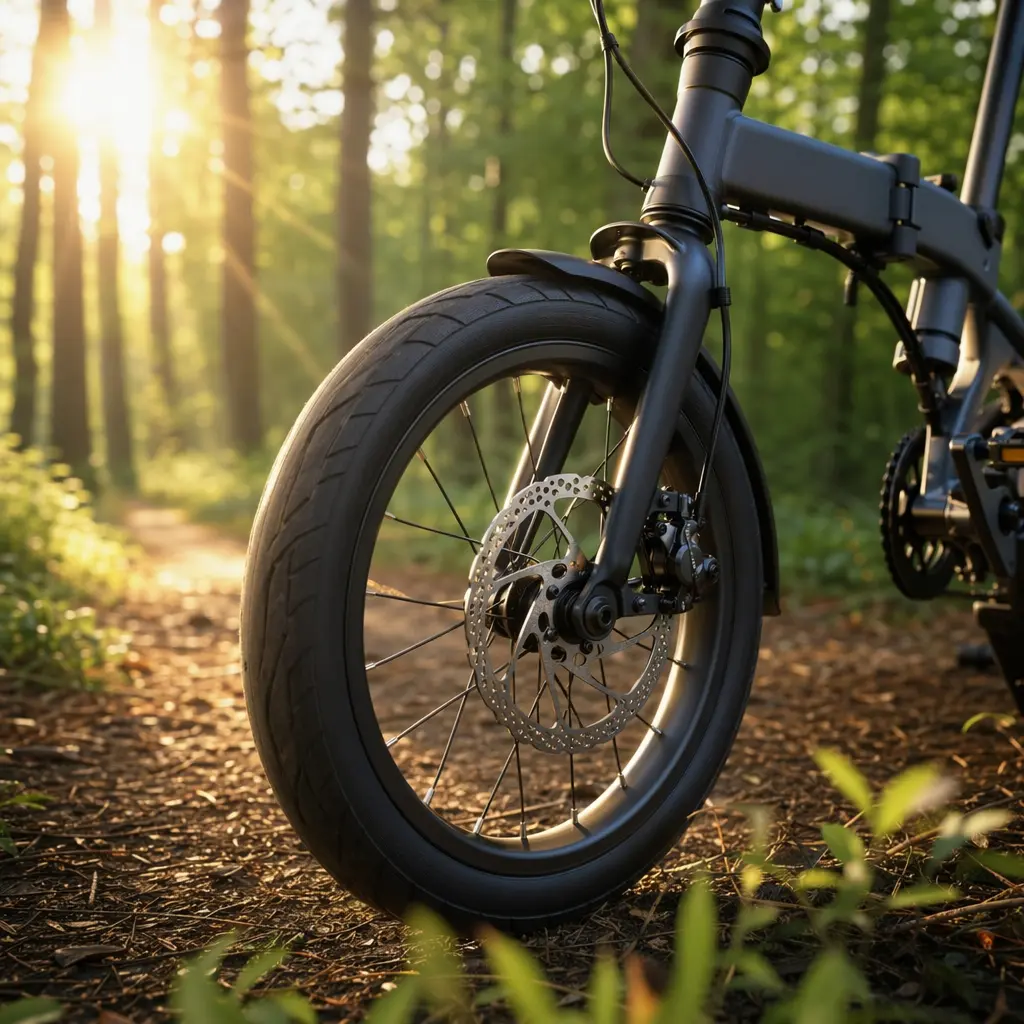
Component choices lean towards durability and control rather than minimum weight. Expect disc brakes for consistent stopping in wet UK conditions, gearing wide enough for short climbs and loaded riding, and fittings that support everyday practicality.
- Larger wheels and wider tyres for improved comfort and grip
- Disc brakes suited to year-round UK weather
- Stable, confidence-inspiring geometry for mixed surfaces
- Still folds small enough for trains, boots and hallway storage
- Compatibility with mudguards and luggage for real-world use
Who it’s for
The G Line is aimed at riders who like the idea of a folding bike but have always found traditional folders too skittish or restrictive. Think mixed commutes that include towpaths, riders with limited storage who still want weekend adventures, or city dwellers escaping to parks and trails. Budget-wise, it sits firmly in the premium folding bracket, typically around £2,000–£3,000 new depending on specification.
Variants and what to look for today
As with most Brompton families, the G Line is offered in a small range of trims rather than endless sub-models. Differences usually centre on gearing options, finishing kit and luggage compatibility rather than fundamental frame changes. Entry builds focus on simplicity and robustness, while higher trims add lighter components or broader gear ranges.
If you’re looking at a used example, pay close attention to the folding hinges and locking mechanisms — they should feel tight and positive. Check wheel true, disc brake alignment and tyre clearance, especially if the bike has seen a lot of off-road use. Replacement parts are available, but Brompton-specific components aren’t bargain-bin cheap.
Frequently asked questions
Does it still fold as small as a classic Brompton?
Not quite. The larger wheels and tyres mean a slightly bigger folded package, but it remains compact enough for UK trains, car boots and indoor storage.
Is it suitable for proper gravel riding?
It’s designed for light to moderate gravel, towpaths and rough roads rather than technical off-road trails. Think comfort and control, not mountain biking.
How does it compare to non-folding gravel bikes?
A non-folding gravel bike will always offer more outright performance and value, but it can’t fold. The G Line trades some efficiency for convenience and versatility.
Is it heavy for a folding bike?
It’s heavier than a classic Brompton, thanks to bigger wheels and tougher parts, but still manageable for lifting onto trains or into storage.
The Brompton G Line feels less like a novelty and more like a statement of intent. It shows how the folding bike idea can evolve for modern UK riding — messy surfaces, mixed journeys and all — without losing the practicality that made Brompton famous.
Find these on Amazon
As an Amazon Associate, CheapBikes earns from qualifying purchases.