The Charge Plug: the steel single-speed that defined a London cycling era
Simple, steel and city-friendly, the Charge Plug became a familiar sight on UK streets by offering stripped-back commuting without the cost or attitude of boutique fixed-gear builds.
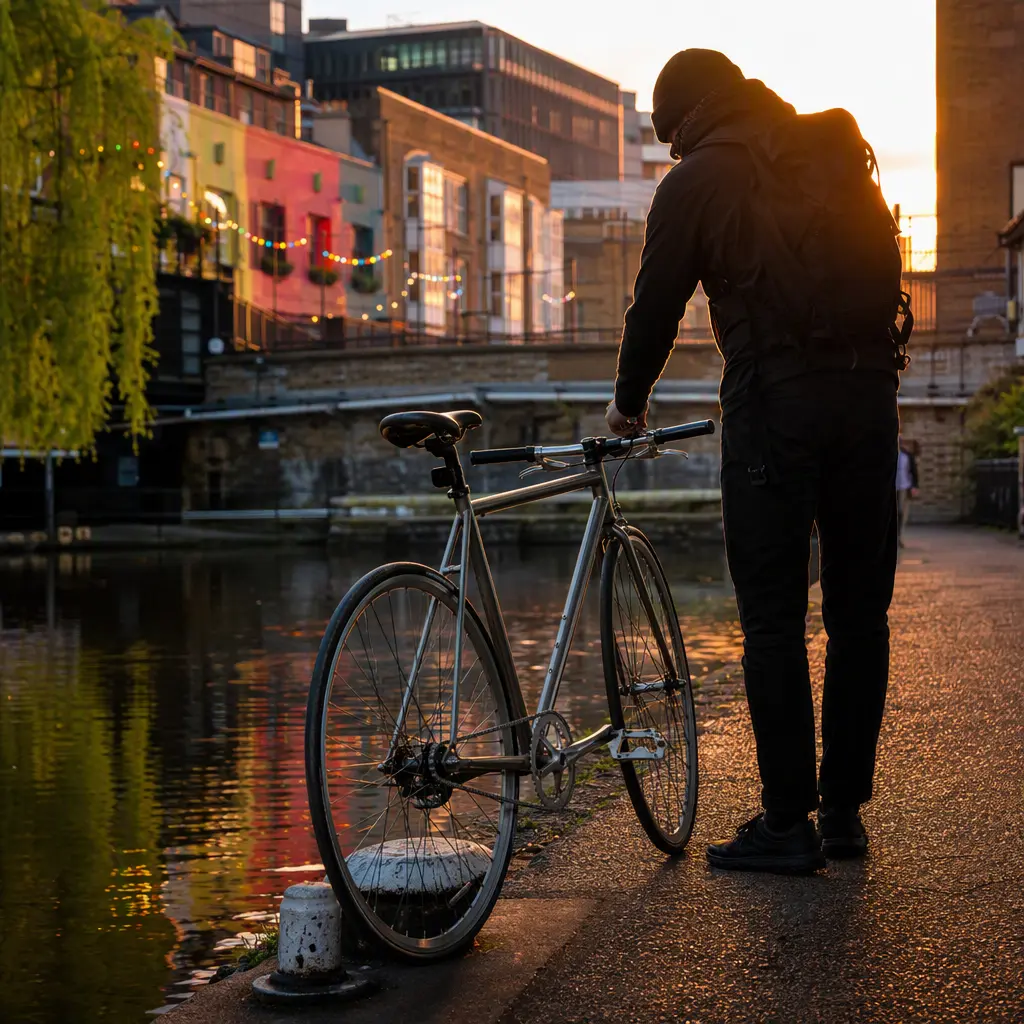
For a stretch of the late 2000s and early 2010s, the Charge Plug was almost unavoidable in parts of London, Bristol and Manchester. Locked outside offices, threaded through traffic or carrying panniers on weekday commutes, it became one of the defining UK single-speed bikes of its time. The appeal was straightforward: a steel frame, simple parts, practical geometry and a price that kept it accessible to riders who wanted something cleaner and lighter than a traditional hybrid without drifting into specialist track-bike territory.
Where it came from
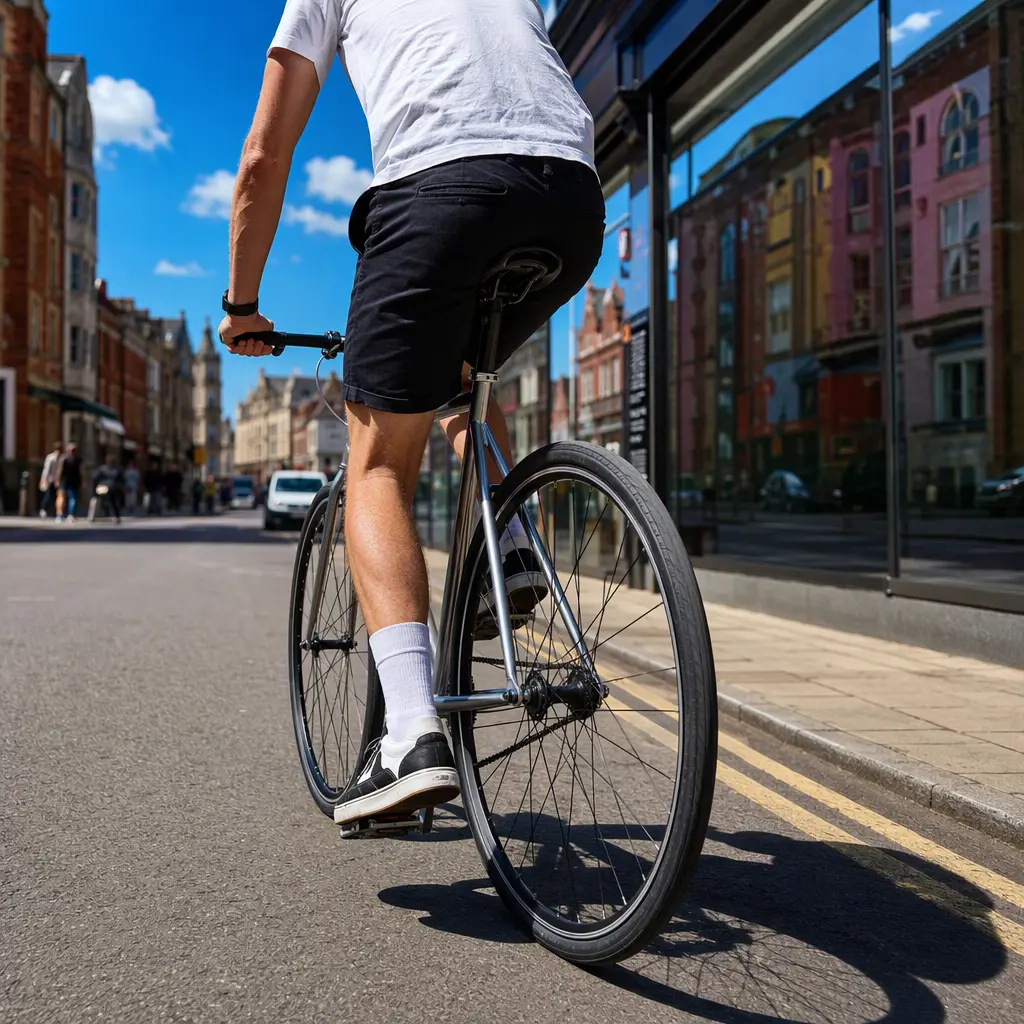
Charge Bikes arrived during a period when urban cycling in Britain was changing quickly. Fixed-gear and single-speed riding had moved from courier culture into the mainstream, but many affordable options were either harsh aluminium frames or converted older bikes with unpredictable quality. The Plug stepped neatly into that gap by offering a purpose-built steel commuter with understated styling and practical road manners.
Sold widely through independent bike shops and online retailers in the UK, the Plug family covered everything from stripped-back single-speeds to more commuter-focused builds with mudguard clearance and wider tyres. It sat below boutique city brands on price but still carried enough style to feel distinctive. That balance mattered. Riders wanted a bike that looked sharp chained outside a café yet still coped with wet roads, potholes and daily mileage.
Why it works
The core recipe barely changed: a steel frame, relatively relaxed road geometry and uncomplicated drivetrain choices. Most Plugs were either single-speed or fixed/free flip-flop hub setups, which kept maintenance low and gave the bike its direct, lively feel. Steel also played a big part in the bike's reputation. Compared with many entry-level aluminium commuters of the era, the Plug tended to feel calmer over rough tarmac and kerb edges, especially on longer rides.
Another reason the family endured was versatility. Despite the stripped-back image, many versions accepted mudguards and racks, and the riding position was usually more forgiving than aggressive track-inspired bikes. Riders could use one for a five-mile city commute during the week and still take it out for longer weekend spins without feeling folded over the bars.
- Steel frame with a smoother ride feel than many budget aluminium commuters
- Single-speed or flip-flop drivetrain for low maintenance
- Practical tyre and mudguard clearance on many models
- Neutral handling suited to traffic and canal paths alike
- Clean, understated styling that aged well compared with trend-driven urban bikes
Who it's for
The Charge Plug suits riders who value simplicity over outright speed or gadget-heavy specification. It was especially popular with commuters covering relatively flat urban routes, riders storing bikes in tight flats, and anyone wanting fewer maintenance headaches through winter. The family also appealed to newer cyclists because there was less to adjust and less to go wrong than on a geared hybrid. Today, second-hand examples usually sit in the roughly £150-500 range depending on condition and specification, while cleaner or lightly used builds can still attract strong interest from riders chasing the classic steel-city-bike look.
Variants and what to look for today
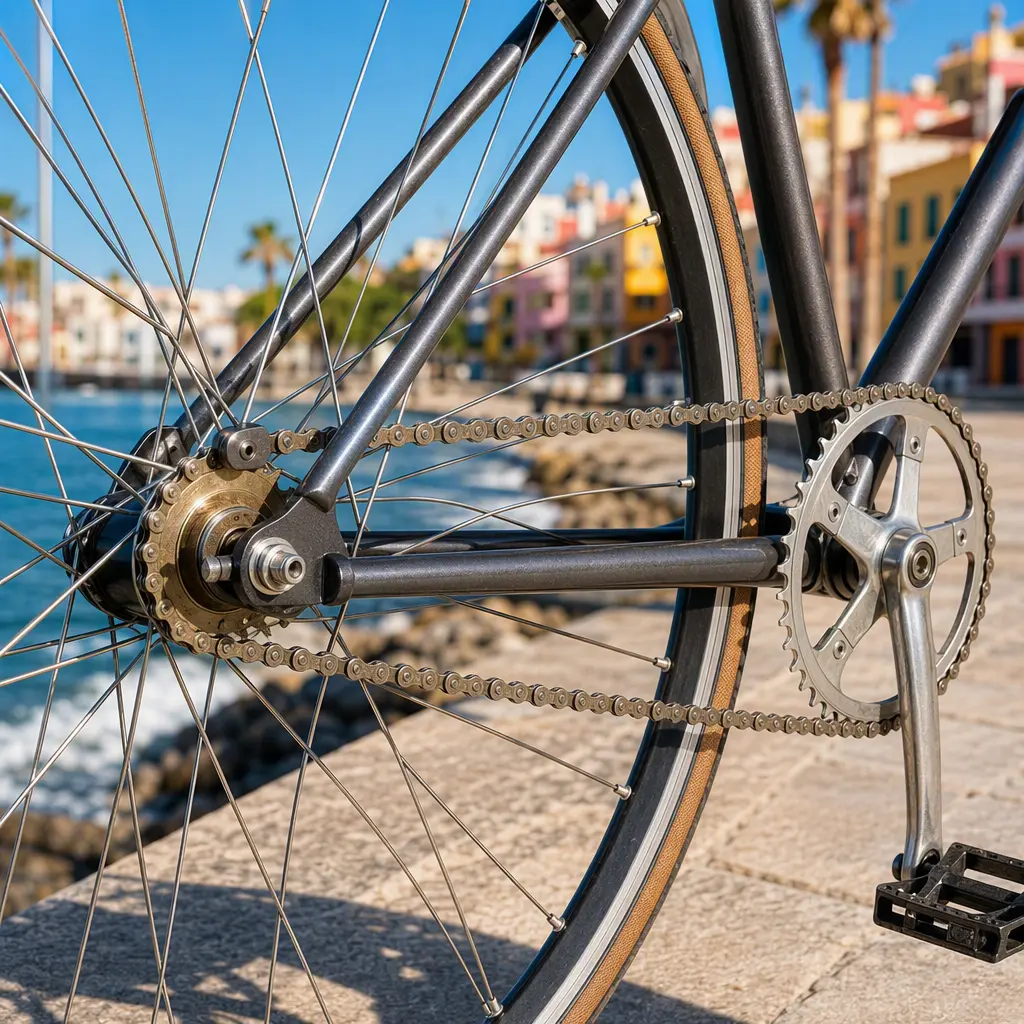
Over the years, the Plug range expanded into several flavours. Entry-level versions kept things very simple with basic wheelsets and brakes, while higher trims added lighter components, better finishing kit and upgraded tyres. Some leaned closer to pure fixed-gear culture with tighter clearances and minimalist details, while others shifted toward all-weather commuting practicality.
Because many Plugs were used daily in British weather, condition matters more than original specification. Surface rust on steel frames is common and not always serious, but corrosion around bottle mounts, dropouts and underneath the bottom bracket deserves a closer look. Drivetrains are cheap to refresh, though neglected chains can wear chainrings and hubs surprisingly quickly on single-speed bikes. Wheel condition is also important, especially on examples that spent years hitting potholes or kerbs on city commutes.
- Entry-level trims often prioritised affordability over lighter wheels or finishing kit
- Mid-range builds usually balanced commuting practicality with cleaner aesthetics
- Higher-spec versions tended to feature better wheelsets and upgraded finishing parts
- Check for rust hotspots under the frame and around cable guides
- Inspect hubs and wheel trueness carefully on heavily used commuter examples
Frequently asked questions
Is the Charge Plug a fixed-gear bike?
Some versions were supplied with flip-flop rear hubs, allowing riders to choose between fixed-gear and freewheel setups by reversing the rear wheel. Many UK owners preferred the freewheel option for commuting practicality.
Can a Charge Plug handle wet-weather commuting?
Yes, particularly the more commuter-focused builds with room for mudguards and slightly wider tyres. Regular cleaning helps because steel frames and winter road grime are never an ideal combination.
Are Charge Plug bikes fast?
They are more about responsiveness and simplicity than outright speed. Around town, the direct drivetrain and relatively low weight can make them feel quick away from traffic lights, though they are less suited to steep hills or loaded touring.
Why did the Plug become so popular in UK cities?
It arrived at the right moment. Urban cycling was growing rapidly, riders wanted stylish but affordable city bikes, and the Plug balanced practicality with the stripped-back look associated with fixed-gear culture without demanding specialist knowledge or expensive upgrades.
The Charge Plug now feels tied to a particular period in British cycling culture, but its appeal has not disappeared. A straightforward steel frame, simple transmission and city-friendly design still make sense for everyday riding. While trends have shifted toward gravel bikes and electric commuters, the Plug remains a reminder that uncomplicated bikes often survive longest in real-world urban use.
Find these on Amazon
As an Amazon Associate, CheapBikes earns from qualifying purchases.