Bianchi Via Nirone: the Italian endurance road bike many riders started on
Comfort-led geometry, classic Italian styling and approachable pricing made the Bianchi Via Nirone a common first step into drop-bar riding for UK cyclists.

For plenty of UK riders, the Bianchi Via Nirone was the bike that made Italian road cycling feel attainable rather than aspirational. Sitting below Bianchi’s racier carbon machines, the Via Nirone built its reputation as a more forgiving, endurance-focused road family with enough style to stand out outside the café stop. It combined the familiar celeste paintwork and heritage appeal of the famous Italian brand with geometry that suited real roads, longer rides and riders moving up from hybrids or older steel bikes.
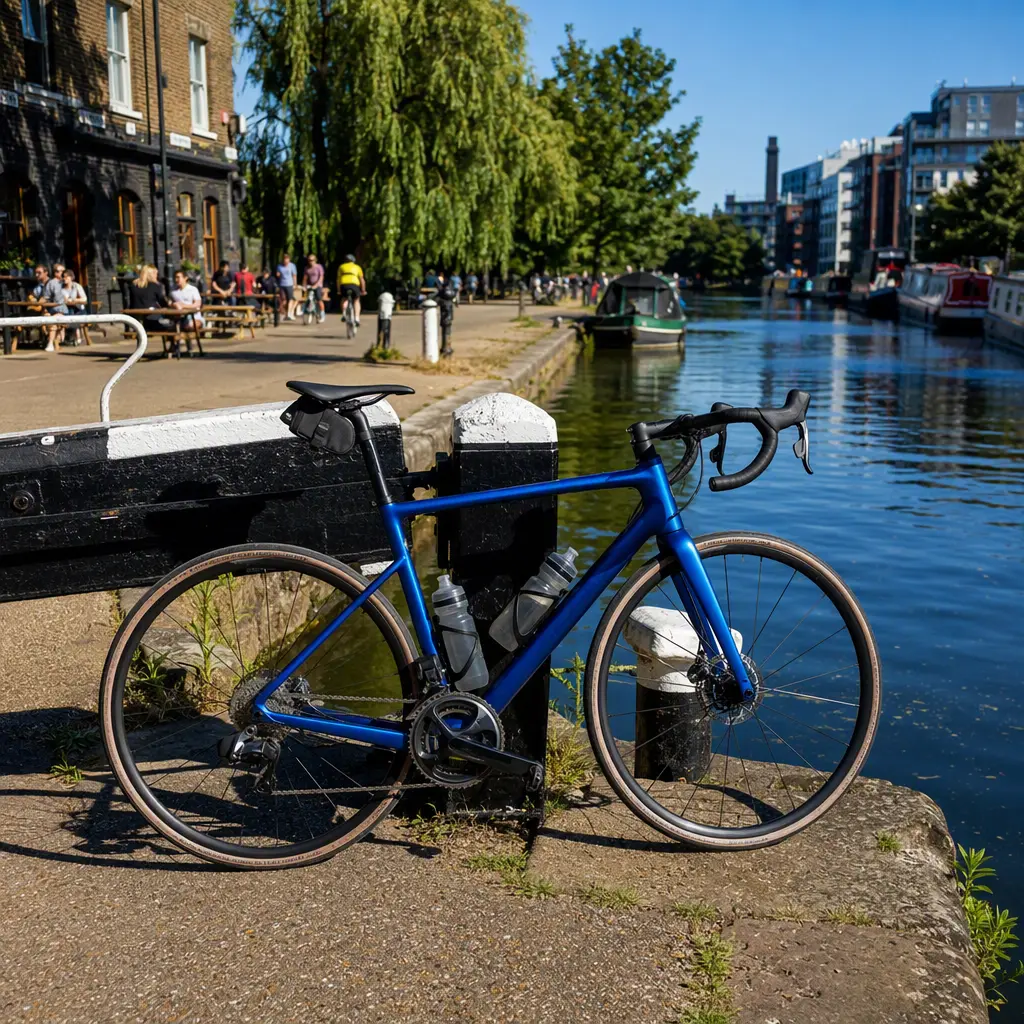
Where it came from
The Via Nirone name references Via Nirone 7, the Milan address linked with Bianchi’s historic roots. While Bianchi has long been associated with elite racing and premium Italian bikes, the Via Nirone family became important because it opened the door to the brand for riders who were not chasing pro-level stiffness or race-day aggression.
In UK bike shops, the Via Nirone typically sat in that approachable middle ground: more polished and distinctive than many entry-level aluminium road bikes, but not priced like a high-end carbon superbike. Over the years the range appeared in several forms, including aluminium frames with carbon forks and later versions with disc brakes and wider tyre clearance as endurance road riding evolved. It became especially popular with sportive riders, commuters wanting a quicker ride and cyclists tackling longer weekend miles without wanting a harsh race-bike position.
Why it works
The key to the Via Nirone’s appeal was balance. Its geometry generally favoured comfort and stability over razor-sharp handling, making it less intimidating for newer road riders while still lively enough for club runs and faster fitness rides. Compared with more aggressive race bikes, the slightly taller front end reduced strain on the back, shoulders and wrists — something UK riders often appreciate on rougher roads and longer distances.
Frame construction varied through the years, but the formula stayed fairly consistent: lightweight aluminium paired with a carbon fork to soften road buzz, sensible gearing and dependable components from Shimano’s entry and mid-level road groupsets. Clearance for practical tyres also helped the bike adapt well to Britain’s patchy tarmac, wet winters and pothole-heavy lanes.
- Endurance-focused geometry with a more relaxed riding position
- Usually fitted with carbon forks for reduced road vibration
- Stable handling suited to commuting and longer rides
- Often available with compact gearing for climbing
- Traditional road-bike feel without extreme race-bike stiffness
Who it’s for
The Via Nirone suits riders who want a genuine road-bike experience without the uncompromising fit and feel of a dedicated race machine. It works well for first-time drop-bar buyers, sportive riders covering steady weekend distances and commuters wanting something quicker than a flat-bar hybrid. In the used market, older rim-brake examples can often be found from roughly £350-700 depending on condition and specification, while newer disc-brake versions usually sit higher. That pricing has helped the family remain attractive to riders who want Italian styling and established-brand reliability without stretching into premium territory.
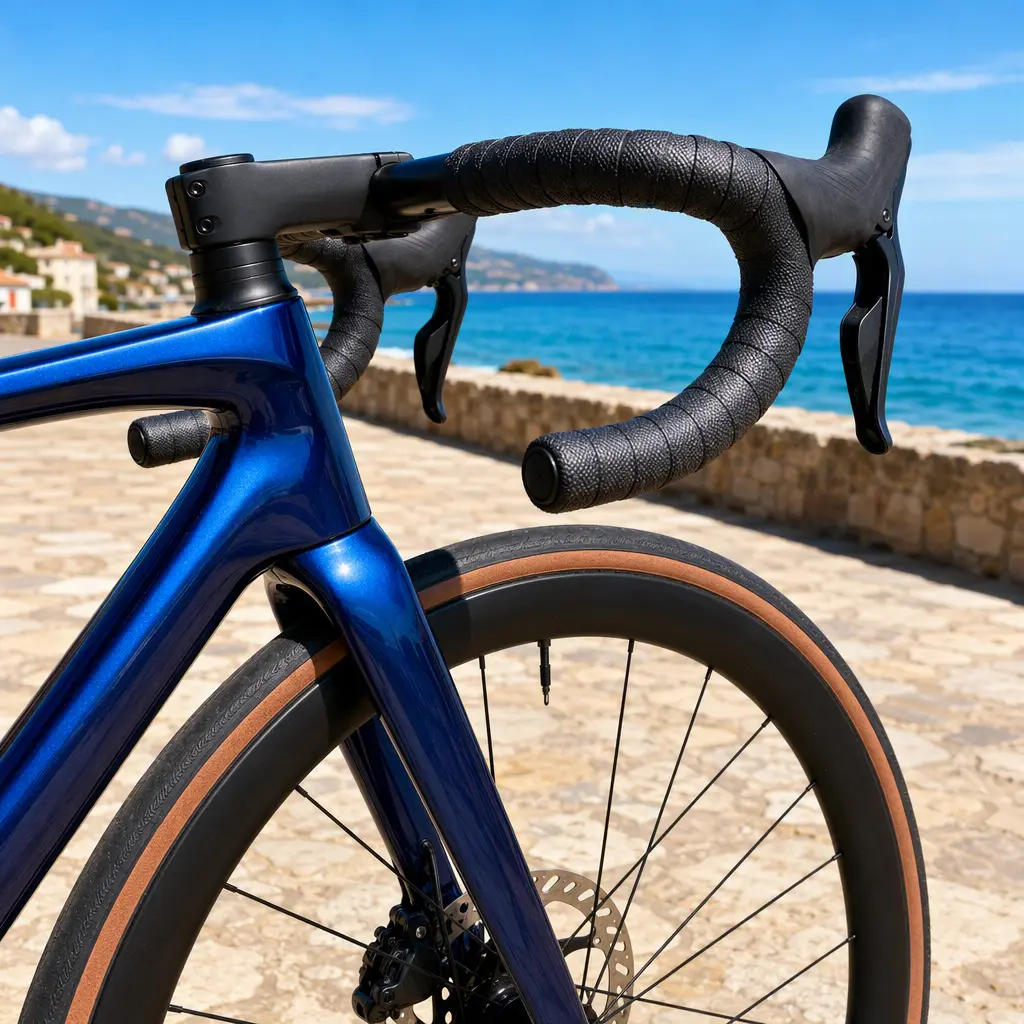
Variants and what to look for today
The Via Nirone range evolved steadily rather than dramatically. Earlier bikes usually focused on rim brakes and narrower tyres, often with traditional quick-release wheels and straightforward cable routing. Later models shifted toward endurance-road trends with disc brakes, slightly roomier clearances and more modern finishing kits.
Entry-level trims generally came with more basic Shimano Claris or Sora components, while mid-range versions often stepped up to Tiagra or 105 groupsets that offered smoother shifting and lower weight. Some models leaned more toward sportive riding, while others were configured for everyday practicality with easier gearing and more forgiving wheels.
- Check aluminium frames carefully for crash damage around the head tube and bottom bracket
- Inspect carbon forks for chips, cracks or poorly repaired impacts
- Older rim-brake bikes may need wheel truing and fresh brake pads
- Expect consumables like chains, cassettes and tyres to need replacement on heavily used examples
- Verify frame sizing carefully — endurance geometry still needs the right fit
Frequently asked questions
Is the Bianchi Via Nirone a race bike?
Not really. It sits closer to the endurance-road category, prioritising comfort and all-day usability over aggressive race geometry. It can still feel quick, but it is generally more forgiving than a dedicated race machine.
Can the Via Nirone handle commuting duties?
Yes, especially later models with wider tyre clearance and disc brakes. Many riders use them for mixed commuting and weekend riding, although tyre choice matters on rough urban roads.
Are older rim-brake models still worth buying?
For many riders, yes. Rim-brake Via Nirones can represent strong value if maintained properly. Parts remain widely available, and the lighter overall weight of some older builds still appeals to traditional road cyclists.
What size tyres can a Via Nirone take?
It depends on the generation. Older bikes were often built around narrower road tyres, while newer endurance-focused versions usually allow more volume for comfort and grip. Checking actual frame and brake clearance before buying wider tyres is important.
The Via Nirone never relied on extreme technology or race-winning hype to build its following. Instead, it succeeded by giving riders a practical, comfortable and recognisably Italian road bike that felt special without becoming fragile or intimidating. That balance still explains why so many remain on UK roads today, from winter club runs to sunny sportive starts.
Find these on Amazon
As an Amazon Associate, CheapBikes earns from qualifying purchases.