Best Gravel Bikes Over £2,000: Who Benefits?
A buyer-focused guide to gravel bikes over £2,000, explaining when premium frames, wheels and gearing make sense for UK riding—and when cheaper options will do the job.
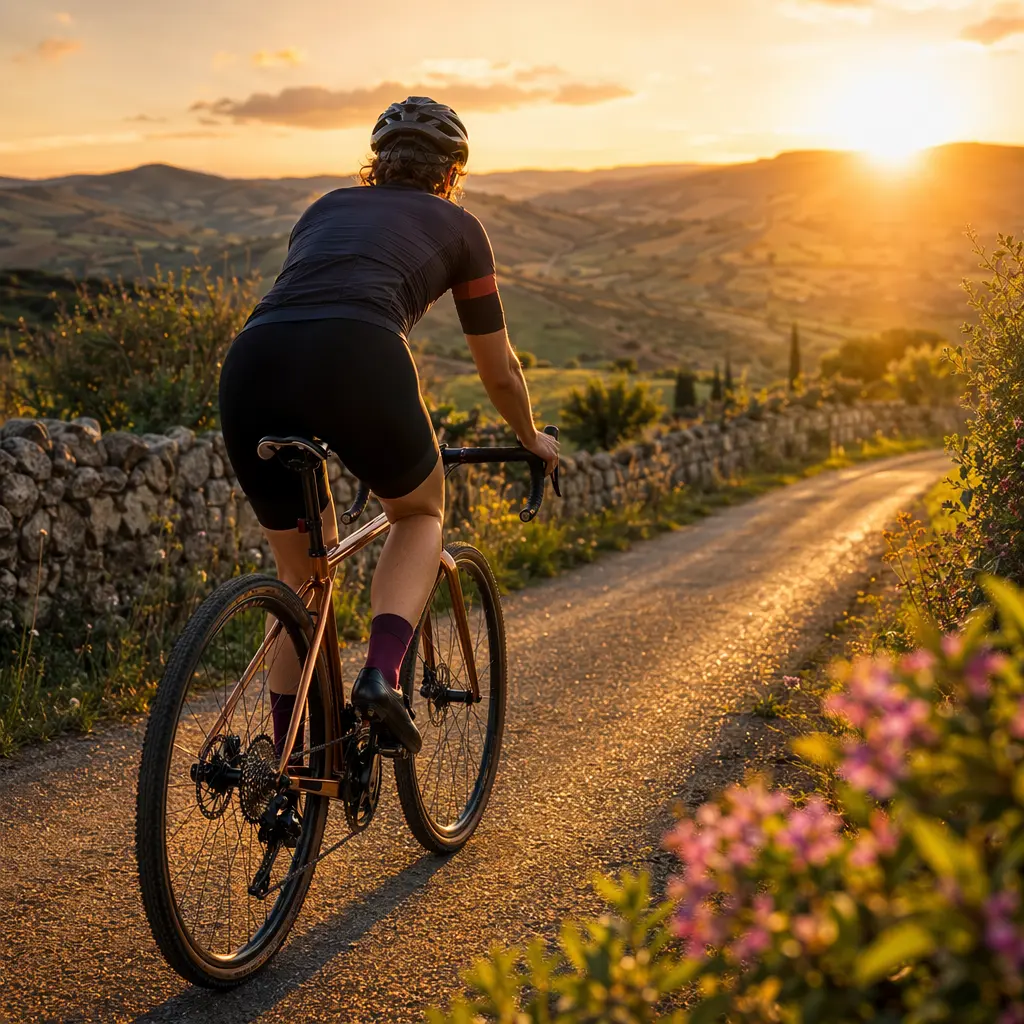
Spending more than £2,000 on a gravel bike can feel like a leap of faith. At this level, bikes often look similar to cheaper options, yet the price jump promises better performance and durability. This guide breaks down who actually benefits from premium gravel bikes, and when UK riders are better off saving money or spending it elsewhere.
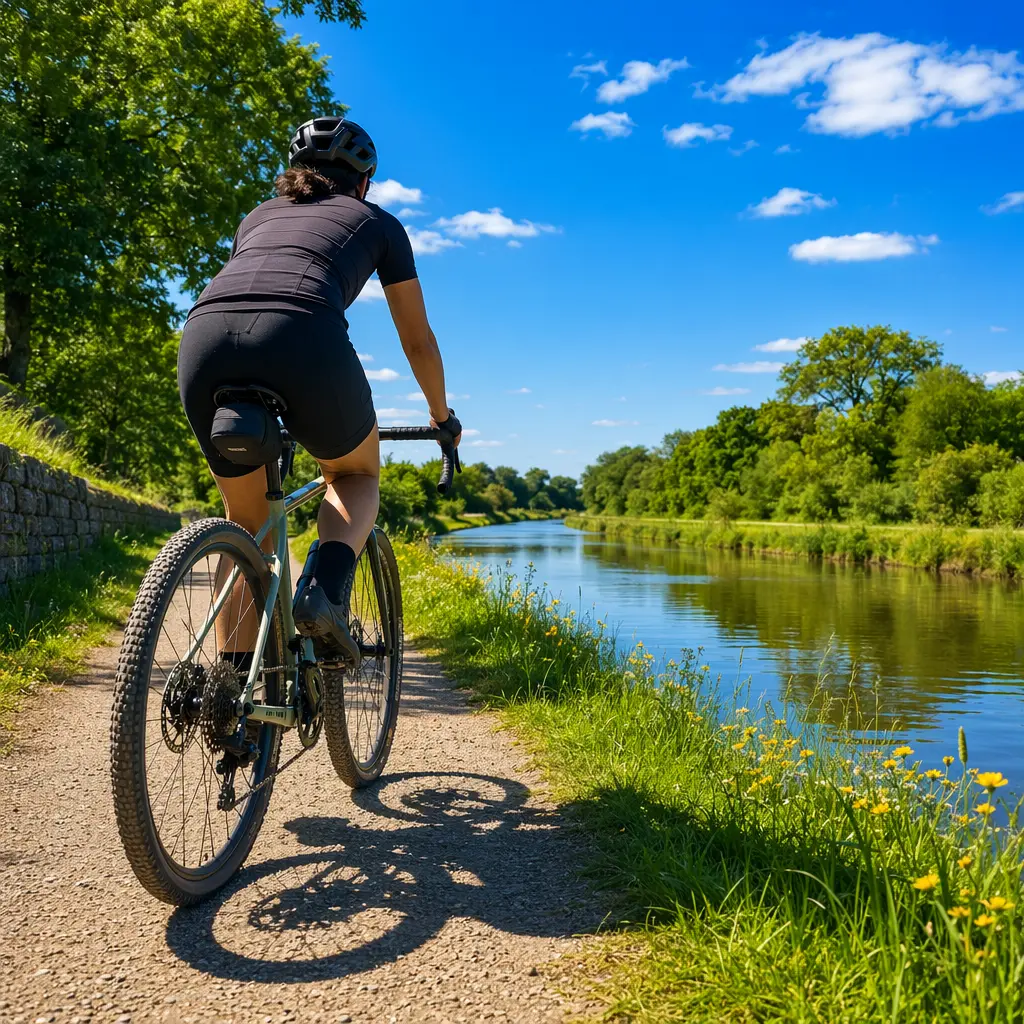
What to look for
Above £2,000, the differences are rarely about basic function and more about refinement. Knowing where the money goes helps decide if the upgrade is worthwhile for your riding.
- Frame material: High-grade aluminium, carbon fibre, or quality steel with advanced tube shaping for comfort and stiffness.
- Gearing: Wider-range drivetrains, often 1x or high-end 2x setups, with smoother shifting under load.
- Wheels: Lighter, stronger wheelsets that accelerate faster and hold their line better on rough tracks.
- Tyre clearance: Room for wider tyres (often 45mm or more) for UK mud, gravel and winter riding.
- Geometry: More stable handling at speed, especially on long descents and rough bridleways.
- Weight: Overall weight savings that matter on long rides or when climbing.
- Included accessories: Extra mounting points for bottles, frame bags, panniers and sometimes mudguards.
Budget and what you're getting
In the £2,000+ bracket, you are paying for marginal gains rather than essentials. Expect smoother rides, better durability over high mileage, and components that stay accurate for longer. The trade-off is value: a £1,200–£1,500 gravel bike will still handle UK lanes and tracks well, just with extra weight, simpler gearing and wheels that are less forgiving. Premium bikes reward frequent riders, long-distance events and mixed-surface touring, but offer diminishing returns for occasional use.
Standout categories or types
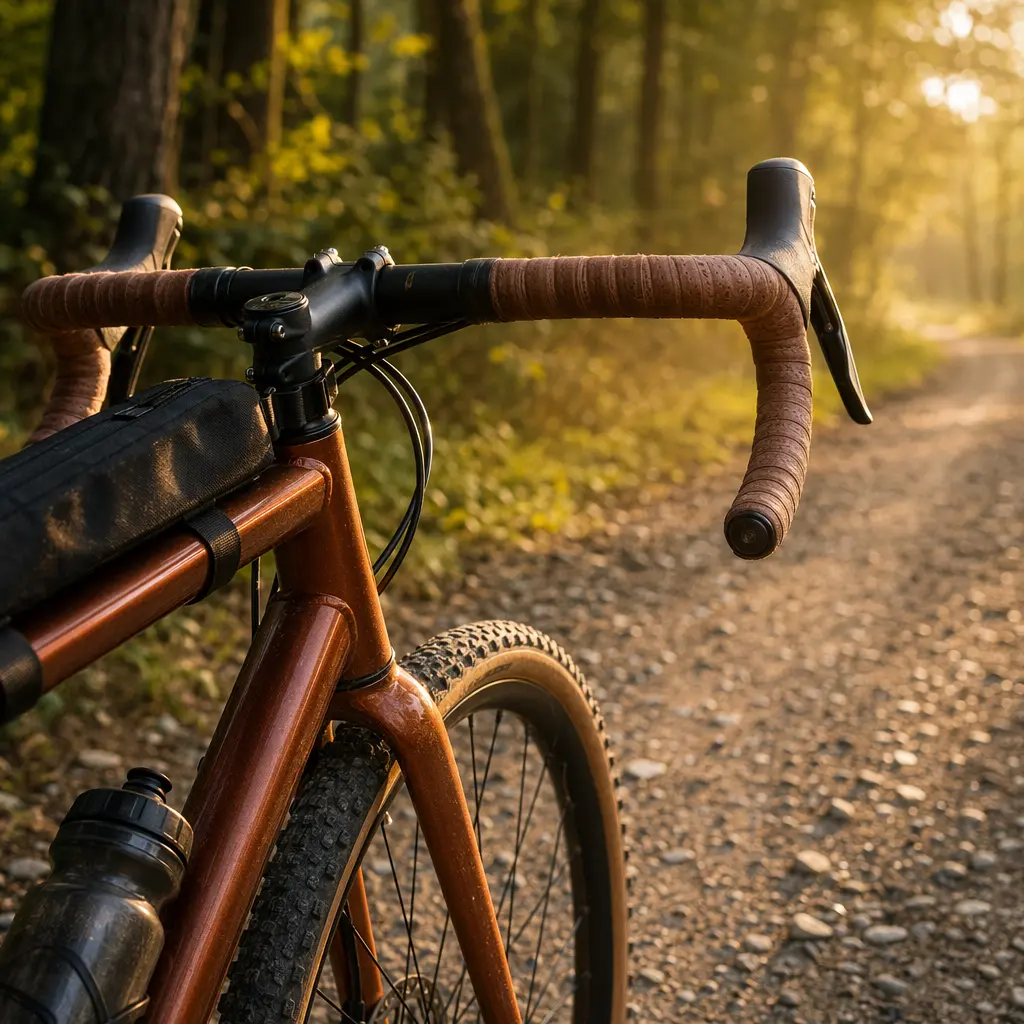
Premium gravel bikes tend to fall into a few broad camps, each suiting different UK riding styles.
- Race-leaning gravel bikes: Lighter frames and wheels, faster handling, best for events and long, fast rides on hardpack and tarmac.
- Adventure-focused gravel bikes: Slightly heavier but tougher, with more mounts and relaxed geometry for bikepacking and loaded touring.
- Carbon vs steel: Carbon offers weight savings and vibration damping, while steel prioritises comfort, durability and repairability.
- 1x vs 2x drivetrains: 1x is simpler and quieter off-road; 2x offers tighter gear steps for road-heavy routes.
Frequently asked questions
Do I need to spend over £2,000 for UK gravel riding?
Not necessarily. Many UK riders are well served by bikes under £1,500. Spending more mainly benefits those riding frequently, covering long distances, or pushing performance limits.
Is carbon worth it for muddy conditions?
Carbon frames cope well with UK mud and rain if maintained properly. The advantage is comfort and weight, not durability in poor weather.
Will better wheels make a noticeable difference?
Yes, wheels are often the most noticeable upgrade. Lighter, higher-quality wheels improve acceleration and reduce fatigue on rough surfaces.
Are premium components cheaper to maintain?
They usually last longer and perform better, but replacement parts can cost more. Maintenance habits matter more than price.
Gravel bikes over £2,000 suit riders who know what they want and ride often enough to appreciate the finer details. For everyone else, focusing on fit, tyres and contact points may deliver better value than chasing the highest price tag.
Find these on Amazon
As an Amazon Associate, CheapBikes earns from qualifying purchases.