Are Gravel Bikes Under £600 Practical for UK Riding?
A buyer-focused guide to gravel bikes under £600, covering gearing, brakes, tyre clearance and the compromises to expect for commuting, towpaths and mixed UK riding.
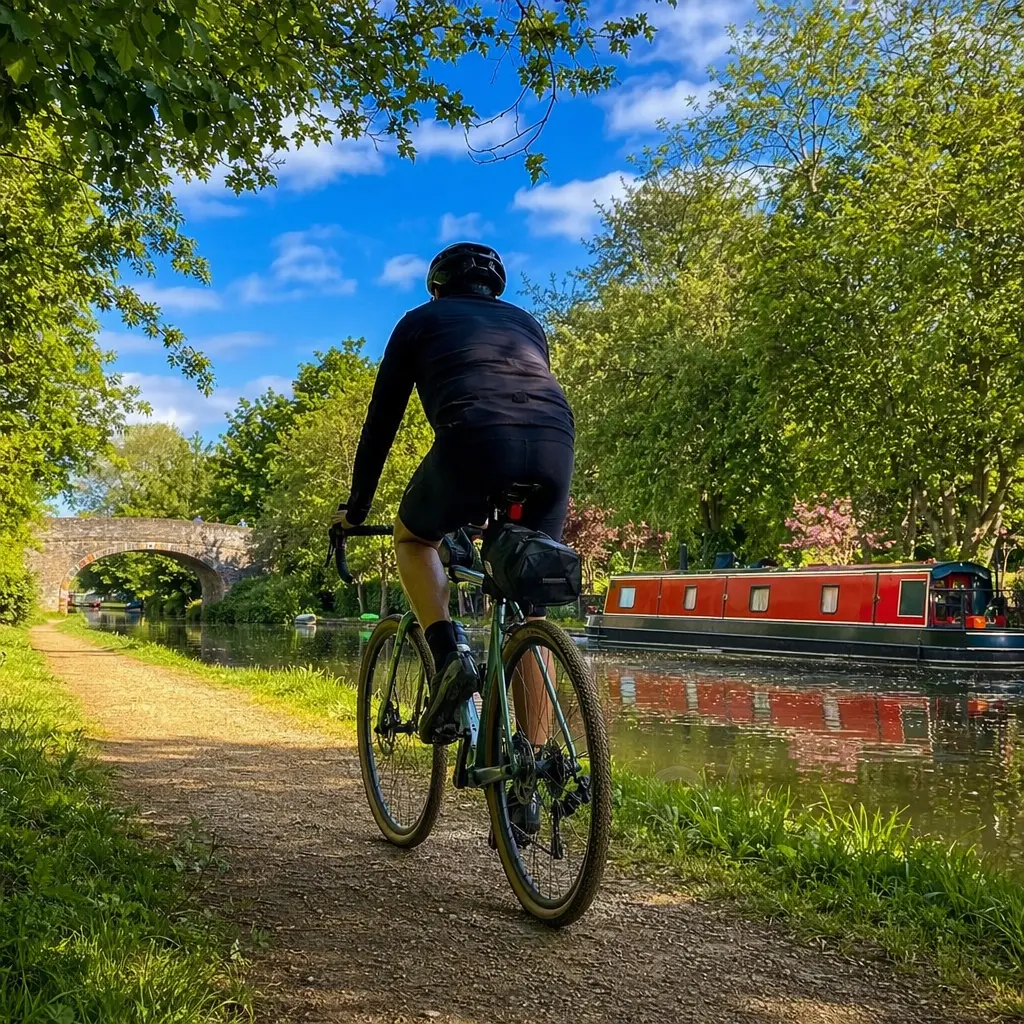
Gravel bikes under £600 sit in a useful middle ground for UK riders who want one bike for commuting, canal paths, light trails and weekend road rides. At this price point, the focus is usually on versatility rather than outright speed or low weight. The main question is whether the compromises in gearing, brakes and tyre clearance still leave you with a practical bike for mixed riding conditions. In many cases the answer is yes, but it helps to know where manufacturers tend to cut costs and which features matter most for everyday use.
What to look for
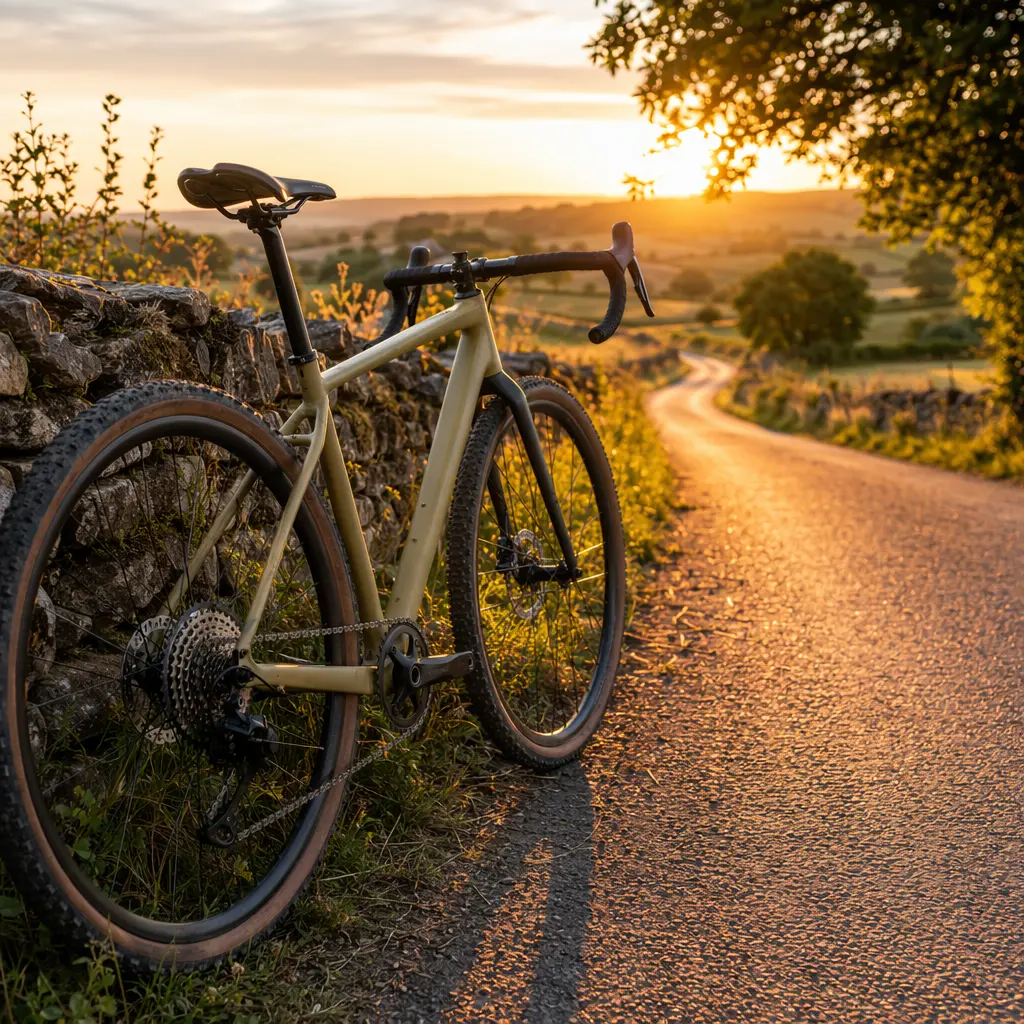
A lower-budget gravel bike can still cope well with mixed UK riding if the core parts are sensible. The best value options prioritise dependable braking, stable handling and enough tyre clearance for rough surfaces. It is worth paying close attention to frame sizing and comfort too, because an inexpensive bike that fits properly is usually more enjoyable than a lighter or faster model that feels awkward.
- Gearing: Wide-range gearing helps on steep hills and rough towpaths. Entry-level gravel bikes often use 1x drivetrains with a single front chainring or simpler 2x setups with fewer gears.
- Frame material: Aluminium dominates under £600 because it keeps costs and weight lower. Steel frames can offer a smoother ride but are often heavier.
- Brake type: Mechanical disc brakes are common at this budget and generally perform better in wet UK conditions than rim brakes.
- Geometry: A slightly relaxed riding position is useful for commuting and longer rides, especially on uneven surfaces.
- Fit: Check sizing charts carefully. Gravel bikes can feel longer and lower than hybrids, particularly with drop handlebars.
- Weight: Expect heavier wheels and finishing parts compared with more expensive bikes. This matters most on hills and when carrying the bike.
- Included accessories: Mounts for mudguards, panniers and extra bottle cages make a budget gravel bike more practical year-round.
Budget and what you're getting
Between roughly £300 and £500, most gravel bikes are designed to hit a price target first and a performance target second. That usually means heavier wheelsets, basic drivetrains and entry-level mechanical disc brakes. Tyre clearance may also be narrower than on pricier gravel bikes, limiting you to around 35mm to 40mm tyres in some cases. For mixed UK riding, that is still enough for towpaths, bridleways and broken roads, but less ideal for deep mud or loose technical trails. Assembly quality can vary too, especially with direct-to-consumer bikes, so budgeting for a professional setup after purchase is sensible.

Standout categories or types
Within the sub-£600 market, gravel bikes generally split into two styles. The first leans closer to a road bike, with narrower tyres, quicker steering and lighter frames aimed at commuting or fast fitness riding. These tend to feel efficient on tarmac but less forgiving on rough surfaces. The second style takes more influence from touring and adventure bikes, with relaxed geometry, wider tyres and extra mounting points for mudguards or panniers.
Rigid gravel bikes dominate this category because suspension forks add weight and complexity. A rigid setup is usually the better option for mixed UK riding unless most journeys involve rough off-road trails. Wider tyres run at lower pressures can provide a surprising amount of comfort without the maintenance demands of suspension.
- Road-leaning gravel bikes: Better for faster commuting and longer tarmac rides.
- Adventure-style gravel bikes: More stable and comfortable on rough paths and loaded rides.
- 1x drivetrains: Simpler shifting and easier maintenance, though gear gaps can feel larger on roads.
- 2x drivetrains: Wider gear range for steep climbs and road riding, but slightly more complex to maintain.
- Tyre clearance around 38mm to 45mm: Usually the practical sweet spot for UK mixed terrain use.
Frequently asked questions
Are gravel bikes under £600 good for commuting?
Yes, many budget gravel bikes work very well for commuting because they combine stable handling, disc brakes and room for wider tyres. Models with mudguard and rack mounts are especially practical for year-round UK riding.
Do cheaper gravel bikes have reliable brakes?
Most use mechanical disc brakes rather than hydraulic systems. They are generally reliable and easier to maintain, although they may need occasional adjustment and usually offer less braking power than hydraulic discs.
How much tyre clearance do I need?
For mixed UK riding, around 38mm to 45mm tyre clearance is a good target. Narrower tyres roll faster on roads, while wider tyres improve comfort and grip on gravel tracks and towpaths.
Are gravel bikes better than hybrids for mixed riding?
It depends on riding style. Gravel bikes are often faster over distance and more efficient on roads, while hybrids can feel more comfortable and confidence-inspiring for shorter journeys or stop-start urban riding.
Can a budget gravel bike handle bikepacking?
Light touring and overnight trips are realistic if the bike includes mounting points for luggage. Heavier loads may highlight the limits of cheaper wheels and drivetrains, so packing light is usually the better approach.
A gravel bike under £600 can be a practical choice for mixed UK riding if expectations match the price. You are unlikely to get lightweight parts or premium braking performance, but you can still end up with a versatile bike that handles commuting, leisure rides and rougher surfaces capably. Prioritising fit, tyre clearance and dependable components usually delivers better long-term value than chasing aggressive specifications at the lowest possible price.
Find these on Amazon
As an Amazon Associate, CheapBikes earns from qualifying purchases.