Gravel Bike Tyre Width Guide for UK Roads and Paths
Choosing the right gravel tyre width can change comfort, grip and rolling speed on UK roads and trails. This guide explains what different sizes suit and where wider tyres help most.
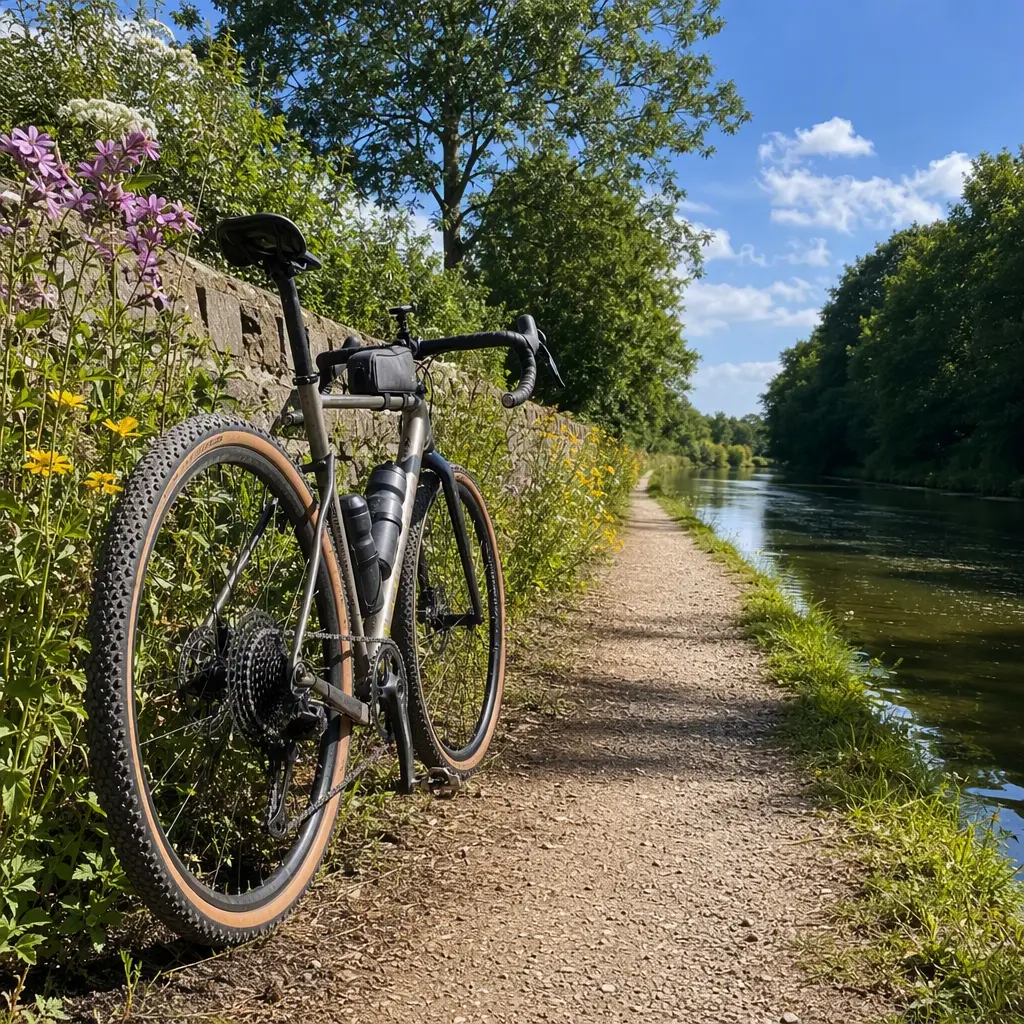
Gravel bikes cover a wide range of riding styles, from quick commutes on rough roads to long mixed-surface rides across bridleways and towpaths. Tyre width has a bigger effect on the ride than many cyclists expect, changing comfort, grip, confidence and even how fast the bike feels on different surfaces. Choosing the right size depends on where the bike will spend most of its time, along with frame clearance, riding position and tyre pressure. For UK riding, where routes often switch between cracked tarmac, loose gravel, wet mud and compact dirt in a single ride, tyre choice matters even more.

What to look for
Most modern gravel bikes support tyres between around 35mm and 50mm wide, though exact clearance varies between frames and wheelsets. Narrower tyres generally feel quicker on smooth roads, while wider options improve comfort and grip on rough surfaces. UK riders often aim for a balance rather than an extreme setup, especially if rides mix lanes, cycle paths and trails. Tyre pressure also plays a major role. A wider tyre run at lower pressure can smooth out potholes and loose surfaces without feeling excessively slow on tarmac.
- 35mm to 40mm tyres suit riders spending more time on roads, hard-packed gravel and commuting routes.
- 40mm to 45mm tyres offer an all-round setup for mixed UK riding with a balance of speed, comfort and grip.
- 45mm plus tyres favour rough tracks, muddy bridleways and bikepacking routes where stability matters more than outright pace.
- Alloy wheelsets are common on affordable gravel bikes and cope well with wider tyres for everyday riding.
- Hydraulic disc brakes improve control in wet weather, though mechanical discs remain common at lower price points.
- Relaxed gravel geometry usually feels more stable with wider tyres, especially on loose descents.
- Check frame and mudguard clearance carefully before buying larger tyres, particularly for winter riding.
- Tubeless-ready tyres can reduce punctures and allow lower pressures for extra comfort and traction.
Budget and what you're getting
At entry-level prices, many gravel bikes arrive with tyres around 38mm to 40mm wide because they suit a broad mix of uses without adding too much weight or drag. More expensive bikes often provide greater tyre clearance, lighter wheelsets and tubeless-ready setups that let riders experiment with lower pressures and wider rubber more effectively. Wider tyres are not automatically slower, but cheaper heavy tyres can feel less lively on long road rides. Riders upgrading from standard stock tyres often notice better grip and comfort before they notice any speed difference. It is also worth remembering that larger tyres may require new mudguards or wheel compatibility checks if upgrading later.
Standout categories or types
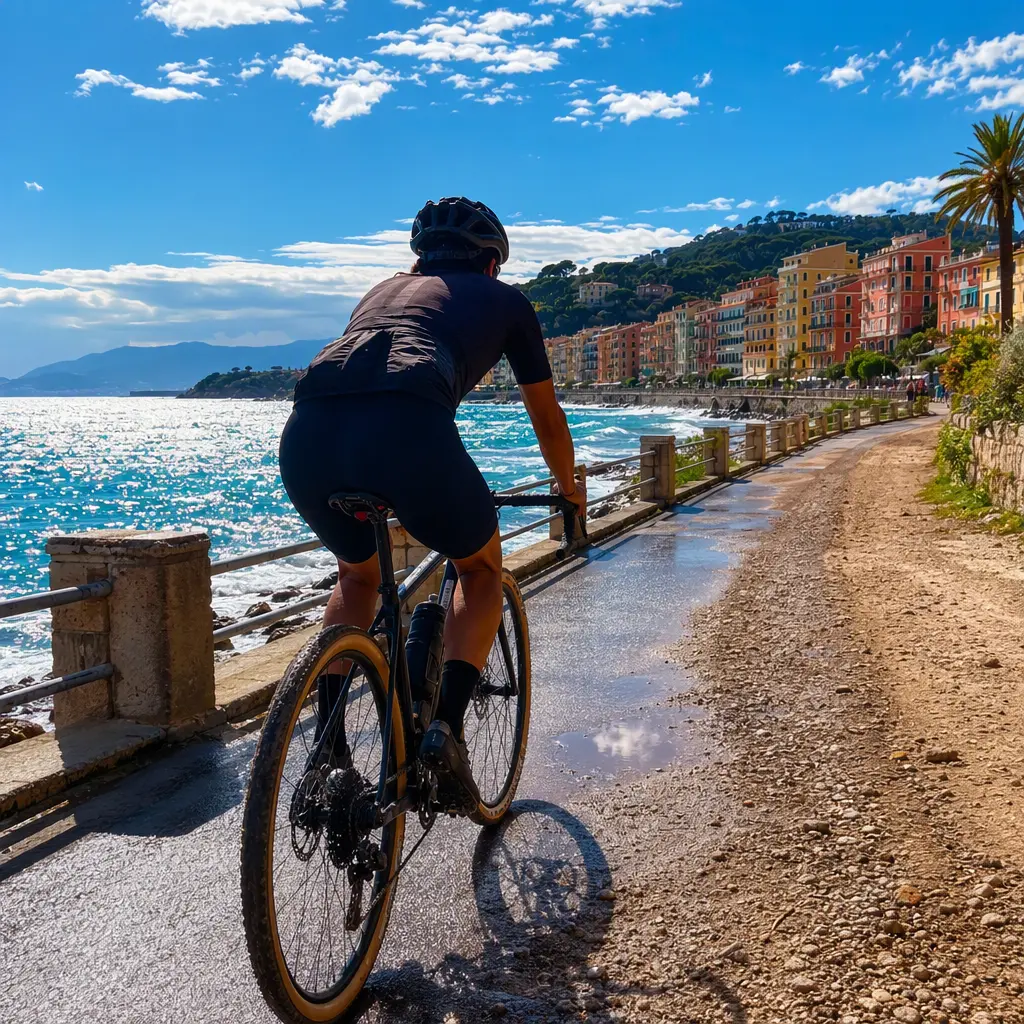
Tyres around 35mm to 38mm are often chosen by riders who mainly stick to roads but want extra comfort and confidence over rough lanes or canal paths. These sizes can feel fast and responsive, particularly with smoother tread patterns. They also tend to keep overall bike weight slightly lower, which some riders prefer for commuting or faster group rides.
The most versatile gravel setups for UK conditions usually sit around 40mm to 45mm. This range works well across damp woodland tracks, compact gravel, broken tarmac and light mud without feeling sluggish on roads. Wider tyres above 45mm move closer to mountain bike territory and can make technical descents or loose surfaces feel calmer and more controlled. They are especially useful for bikepacking, winter conditions and riders prioritising comfort over outright speed.
- Semi-slick tread patterns roll efficiently on roads while still offering edge grip on loose corners.
- More aggressive tread patterns suit muddy bridleways and wet forestry tracks but can feel slower on smooth tarmac.
- Tubeless setups are increasingly popular because they improve puncture resistance and comfort on rough ground.
- Wider tyres can improve confidence for newer gravel riders by reducing harsh vibrations and increasing stability.
- Smaller riders may prefer slightly narrower tyres if frame sizing or wheel clearance becomes limited.
Frequently asked questions
Are wider gravel tyres always slower?
Not necessarily. On rough surfaces, wider tyres can maintain momentum better because they absorb bumps instead of bouncing across them. On smooth roads, very large tyres may feel slower, but modern gravel tyres are often more efficient than older designs.
What tyre width works best for UK gravel riding?
For many riders, 40mm to 45mm offers the best balance for mixed UK conditions. This range handles rough lanes, towpaths and light trails comfortably while still rolling efficiently on roads.
Do wider tyres reduce punctures?
They can help because lower pressures allow the tyre to absorb impacts more effectively. Tubeless systems also reduce the risk of pinch punctures and can seal small holes automatically.
Can I fit bigger tyres to any gravel bike?
No. Every frame and fork has a maximum tyre clearance. Going too large can cause rubbing, especially in muddy conditions or when using mudguards. Always check the manufacturer guidance before upgrading.
Should gravel tyres be slick or heavily treaded?
It depends on the terrain. Smoother tread patterns suit riders spending more time on roads and hard-packed paths, while chunkier tread improves grip on wet grass, mud and loose gravel.
Tyre width is one of the simplest ways to tune a gravel bike for UK riding conditions. Narrower options can sharpen road performance, while wider tyres improve comfort and control across rough surfaces. For most mixed riding, a mid-width gravel tyre paired with sensible pressure delivers the broadest versatility without major compromises.
Find these on Amazon
As an Amazon Associate, CheapBikes earns from qualifying purchases.