Can One Gravel Bike Replace a Road and Hybrid Bike?
A gravel bike can cover commuting, leisure rides and light touring, but compromises matter. This guide explains when one bike setup makes sense for mixed UK riding.

For riders trying to keep costs, storage and maintenance under control, the idea of one bike doing nearly everything is appealing. A modern gravel bike sits somewhere between a road bike and a hybrid, with drop handlebars, wider tyres and stable handling that can cope with rough roads, towpaths and light gravel tracks. The question is whether that flexibility genuinely replaces owning separate bikes for commuting, fitness riding and weekend exploring. For many UK riders, the answer is yes — but it depends on where and how often you ride, along with how much compromise you are willing to accept.
What to look for
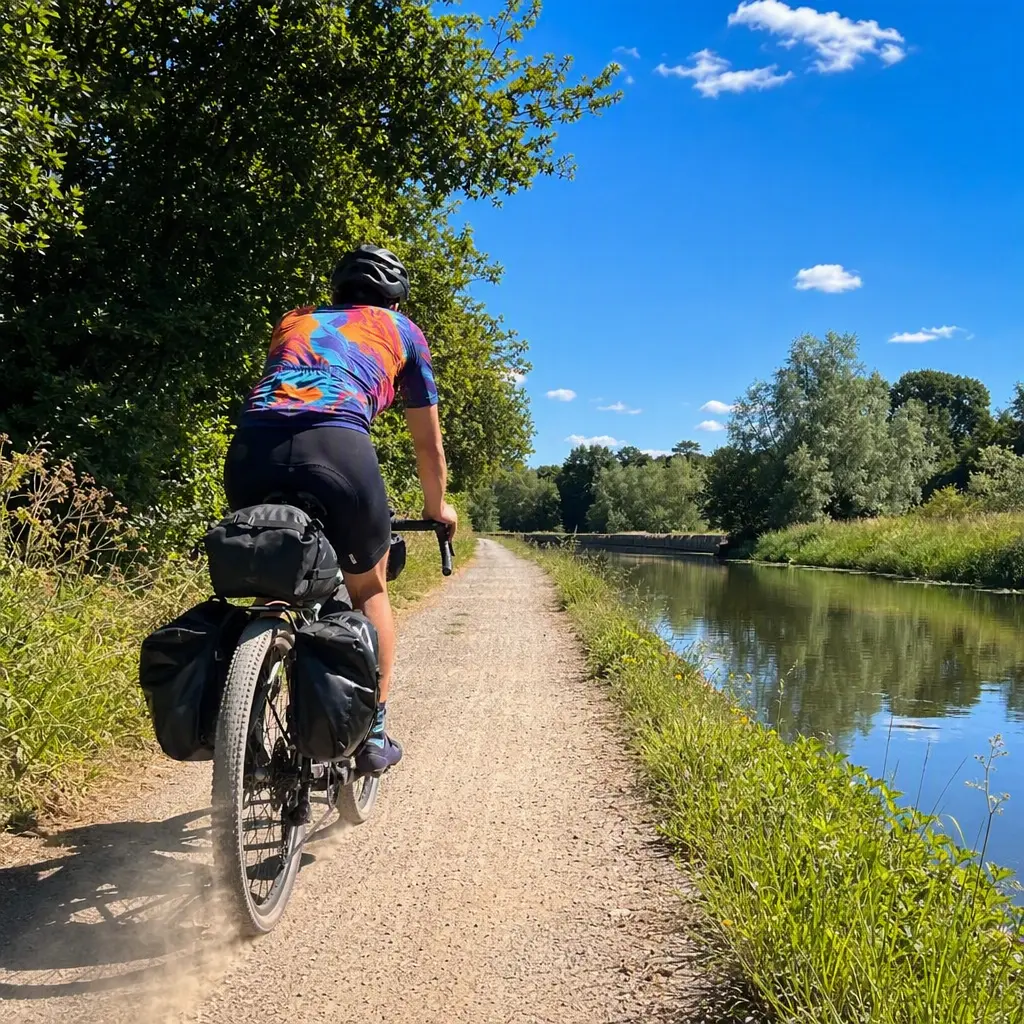
A gravel bike intended to replace both a road bike and a hybrid needs a balanced setup rather than an extreme race-focused design. Comfort, tyre clearance and practical mounting points matter just as much as speed. UK roads, cycle paths and towpaths can be rough in places, so a bike that accepts wider tyres and mudguards will usually make daily riding more enjoyable. Many riders also underestimate how important gearing is when carrying luggage or climbing steep lanes.
- Wide-range gearing helps with hills, commuting loads and mixed terrain.
- Aluminium frames are common and affordable, while steel offers comfort but often weighs more.
- Hydraulic disc brakes give stronger braking in wet weather, though mechanical discs can reduce costs.
- Relaxed geometry is usually more comfortable for long rides than aggressive race-focused handling.
- Tyre clearance of around 35mm to 45mm increases comfort and grip on rough roads and gravel.
- Lower overall weight helps if the bike will also be used for fitness riding or longer distances.
- Mounts for mudguards, panniers and extra bottles improve practicality for commuting and touring.
Budget and what you're getting
At entry level, many gravel bikes share parts with hybrids and endurance road bikes, which is not necessarily a bad thing. Around the lower end of the market, riders can expect aluminium frames, mechanical disc brakes and simpler drivetrains. Mid-range bikes often improve ride quality with lighter wheels, hydraulic brakes and smoother gear shifting. Replacing two bikes with one can save money overall, but there are still compromises. A gravel bike will rarely feel as fast as a dedicated road bike on smooth tarmac, and it may not feel as upright or low-maintenance as a city-focused hybrid. Tyre choice makes a big difference here: smoother gravel tyres can make the bike feel surprisingly efficient on roads, while chunkier tyres increase comfort and confidence off-road at the expense of speed.
Standout categories or types
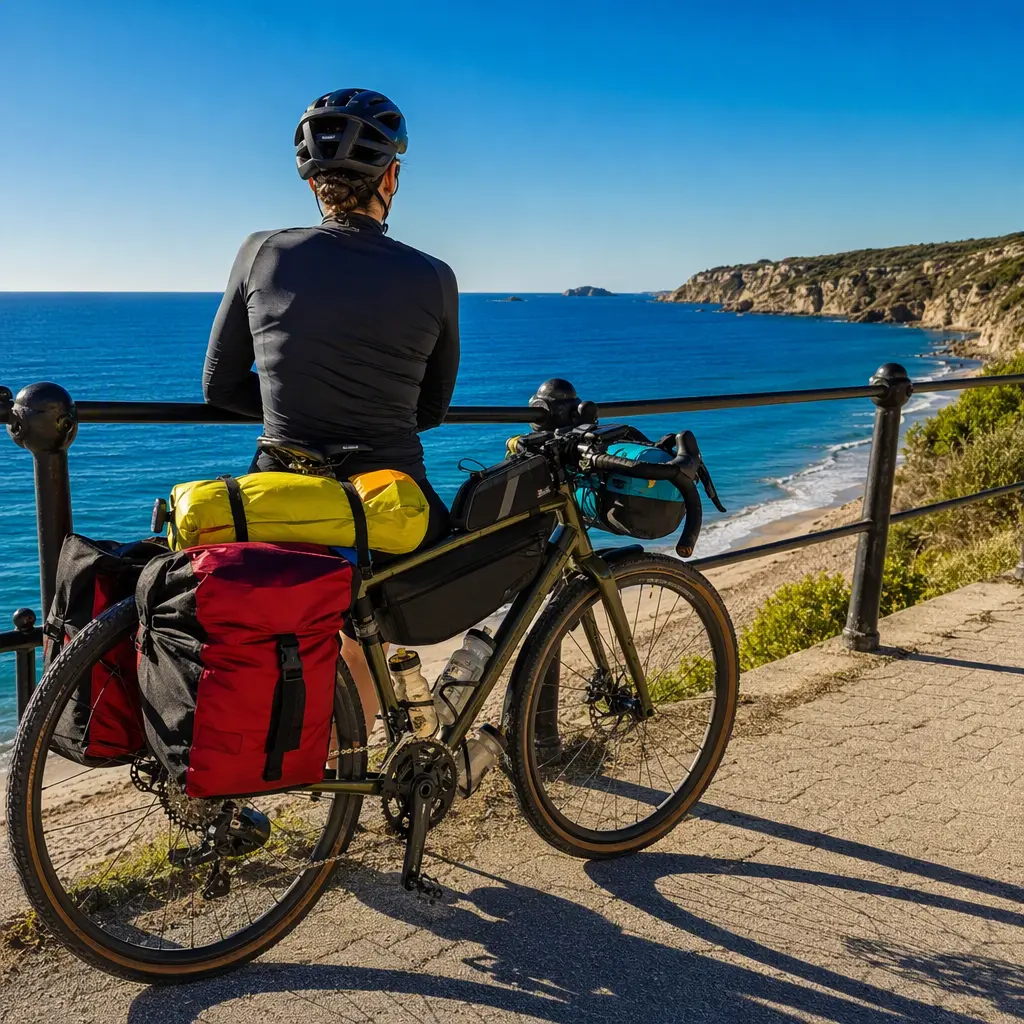
Not all gravel bikes aim to do the same job. Some are close to endurance road bikes, with lighter frames, narrower tyres and quicker steering. These suit riders spending most of their time on tarmac but wanting extra comfort and versatility for rough lanes or occasional gravel tracks. Others lean more towards adventure riding, with larger tyre clearance, stable handling and mounting points for bikepacking bags and racks.
For riders replacing a hybrid, a more relaxed gravel bike with mounts for mudguards and panniers usually makes the most sense. These bikes can handle commuting, canal paths and longer leisure rides comfortably. Riders replacing a road bike may prefer a lighter, faster gravel design with slimmer tyres. Some people also keep a second wheelset: one fitted with fast road tyres and another with wider gravel tyres. While this adds some cost, it can make a single gravel bike far more adaptable without needing a second full bike.
- Road-leaning gravel bikes prioritise speed and lighter handling.
- Adventure gravel bikes focus on comfort, stability and luggage carrying.
- Rigid gravel forks reduce weight and maintenance compared with suspension setups.
- Two wheelsets can help one bike cover both fast road riding and rougher terrain.
Frequently asked questions
Is a gravel bike slower than a road bike?
Usually yes, especially on smooth roads. Wider tyres, a more upright riding position and extra weight can reduce outright speed. However, modern gravel bikes are still efficient enough for commuting, club rides and longer fitness rides.
Can a gravel bike replace a hybrid for commuting?
In many cases it can. Gravel bikes often include mounts for mudguards and racks, and their wider tyres cope well with potholes and poor road surfaces. Riders who prefer a very upright position may still find a traditional hybrid more comfortable.
Are gravel bikes good for long-distance rides?
Yes. Their stable handling and wider tyres can reduce fatigue on rough roads and mixed surfaces. Many riders use gravel bikes for touring, charity rides and all-day weekend cycling.
Do you need suspension on a gravel bike?
Most gravel bikes use rigid forks. Wider tyres at lower pressures usually provide enough comfort for UK roads, towpaths and gravel tracks while keeping weight and maintenance lower than suspension systems.
What tyres work best for mixed riding?
For mostly road riding with occasional gravel sections, smoother tyres with a light tread pattern are often the best compromise. Riders spending more time on muddy tracks or loose gravel may prefer more aggressive tread for extra grip.
A single gravel bike can replace both a road bike and a hybrid for many riders, especially those balancing commuting, fitness riding and weekend exploring. The key is choosing a setup that matches real riding habits rather than chasing extreme performance in one area. While there will always be compromises compared with specialist bikes, a well-chosen gravel bike can offer strong value, lower maintenance demands and the flexibility to handle a wide mix of UK riding conditions.
Find these on Amazon
As an Amazon Associate, CheapBikes earns from qualifying purchases.