Best BMX bikes under £300 in 2026
A realistic look at what £300 buys in a BMX bike in 2026 — what’s solid enough for park and street, what’s compromised, and how to choose a good-value first setup.
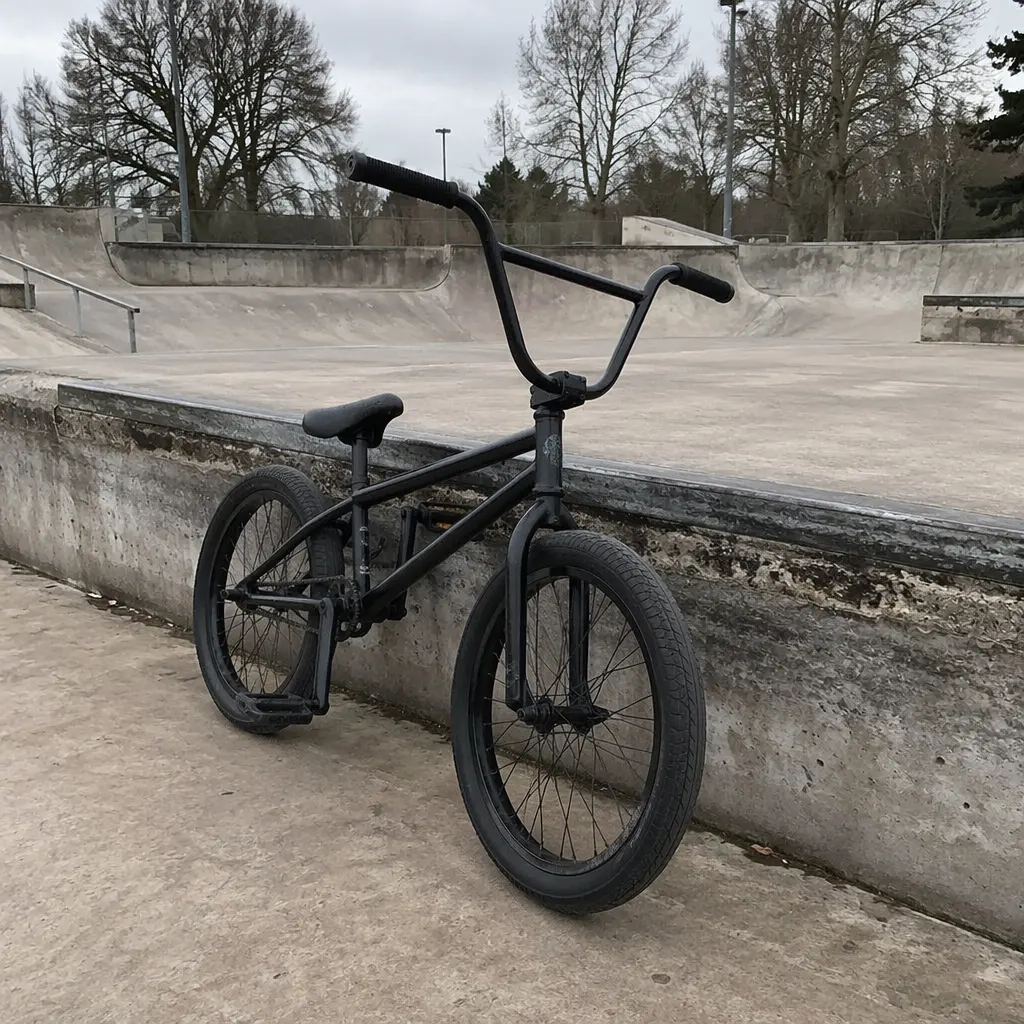
BMX has one of the lowest entry costs in cycling, but £300 still marks a clear dividing line. This guide is for riders looking to get into park or street riding in 2026 without wasting money on kit that won’t last. At this budget, the goal isn’t perfection — it’s finding a bike that’s strong enough to learn on, upgrade-friendly, and safe to ride hard.
What you actually get at this price
Under £300, most BMX bikes are firmly entry-level, but that doesn’t automatically mean disposable. Frames are usually steel, components are basic but functional, and geometry is modern enough for park and street progression. The big limitation is durability under heavy abuse — repeated drops, big stair sets, and daily grinding will expose weaknesses sooner than on pricier bikes.
The best-value options focus on simplicity. Fewer gears, fewer moving parts, and standard sizing make these bikes easy to maintain and cheap to repair — ideal for beginners who are still learning how BMX takes punishment.
- Frame: Hi-tensile steel (heavier than chromoly, but affordable and tough enough for learning)
- Fork & bars: Steel, often with basic tubing and minimal butting
- Drivetrain: Single-speed with a 25/9 or similar ratio, usually loose-ball bottom brackets
- Brakes: Rear U-brake only, cable-operated, functional rather than powerful
- Wheels: 20-inch rims with loose-ball hubs and 36 spokes
- Tyres: Basic 2.2–2.4in BMX tyres with average grip and wear life
- Extras: Peg mounts are common; pegs themselves may or may not be included
How to choose
Fit matters more than flashy parts. Most riders under 6ft will want a 20-inch wheel BMX, but top tube length makes a big difference. Shorter riders tend to feel more comfortable around 20–20.5in, while taller teens and adults may prefer 20.75–21in for stability in street riding.
Think about where the bike will be ridden most. Park riding benefits from slightly steeper geometry and responsive handling, while street riding favours stability and stronger wheels. At this budget, bikes won’t be truly specialised, but some lean one way or the other in feel.
What to look out for
- Excessive weight, especially in the frame and wheels
- Unsealed bearings that need frequent adjustment
- Single-wall rims, which dent more easily on hard landings
- Cheap pedals with poor grip or fragile axles
- Very narrow tyres that reduce comfort and control
- No clearance or mounts for future upgrades like pegs or better brakes
Worth spending more on
A £300 BMX is a solid starting point, but a few targeted upgrades can dramatically improve how it rides. Tyres are the biggest win: better rubber improves grip, reduces punctures, and makes the bike feel more predictable on concrete and rails.
Pedals and grips are also worth upgrading early. Stock versions are often slippery or brittle. Comfort and control upgrades help confidence, which matters more than shaving weight at this stage.
Frequently asked questions
Is £300 enough for real BMX riding?
Yes — for learning basics, park riding, and light street use. Riders progressing to bigger drops and heavy grinding will eventually outgrow the components, but the frame geometry is usually fine to build on.
Should beginners buy used instead?
Used can offer better parts for the money, but only if the bike hasn’t been abused. Check for cracks around welds, bent rims, and worn hubs. For younger riders or parents buying their first BMX, new is often simpler and safer.
Do these bikes come assembled?
Most arrive partially assembled. Final setup — bars, brakes, chain tension — matters on a BMX. A poor build can make even a decent bike feel awful, so professional assembly is worth considering.
Are pegs necessary?
Not for beginners. Pegs are useful for street tricks but add weight and stress to axles. Many riders add them later once they know their riding style.
Under £300 won’t buy a pro-level BMX, but it can buy a capable first bike that’s safe, rideable, and upgrade-ready — exactly what most new park and street riders need to get started.
Find these on Amazon
As an Amazon Associate, CheapBikes earns from qualifying purchases.