Hardtail vs gravel bikes at £700: which suits mixed UK riding?
Choosing between a hardtail MTB and a gravel bike at £700 isn’t obvious. This value-focused UK guide compares comfort, speed and durability for towpaths, trails and rough lanes.
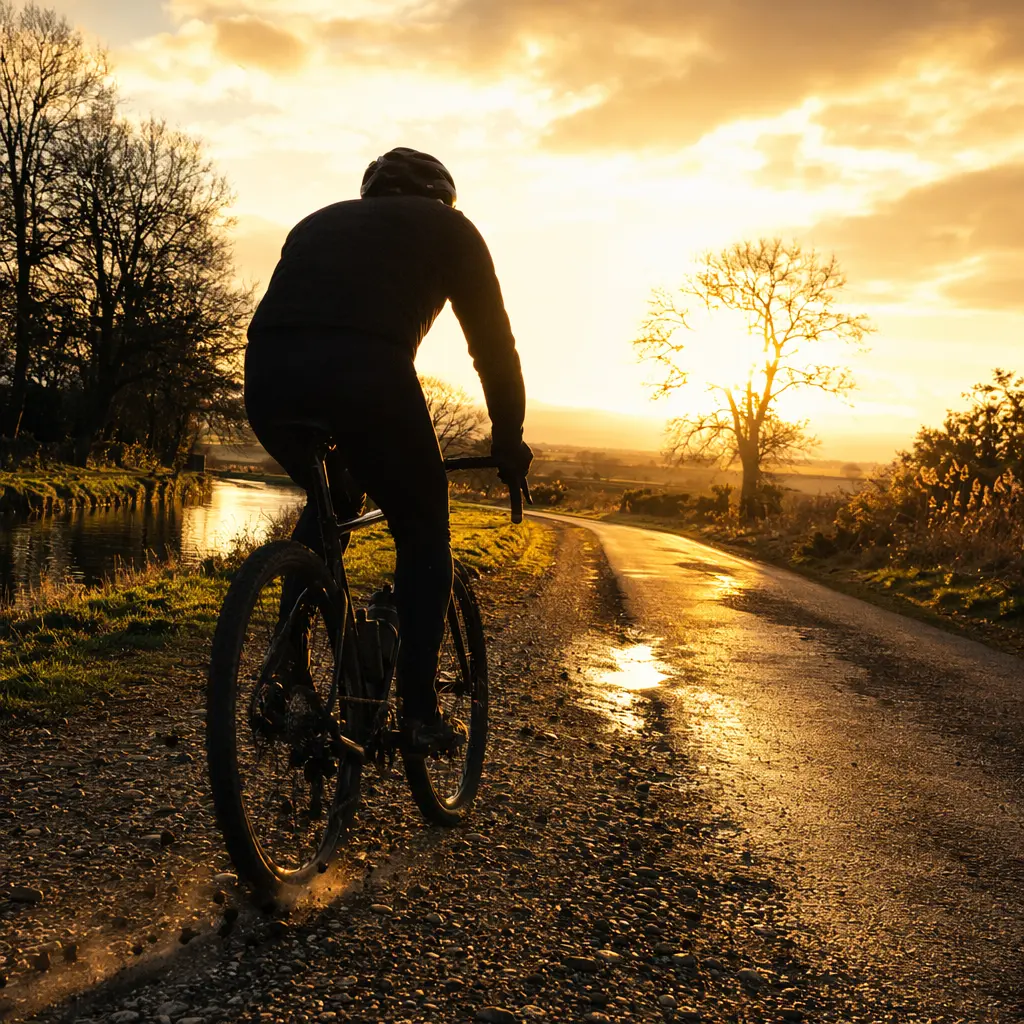
£700 is a crossroads budget for UK riders who don’t stick to one surface. It’s enough to buy either a basic hardtail mountain bike or a capable entry-level gravel bike — but not enough to avoid compromises. For riders bouncing between towpaths, bridleways, forest tracks and broken lanes, the choice shapes comfort, speed and long‑term running costs.
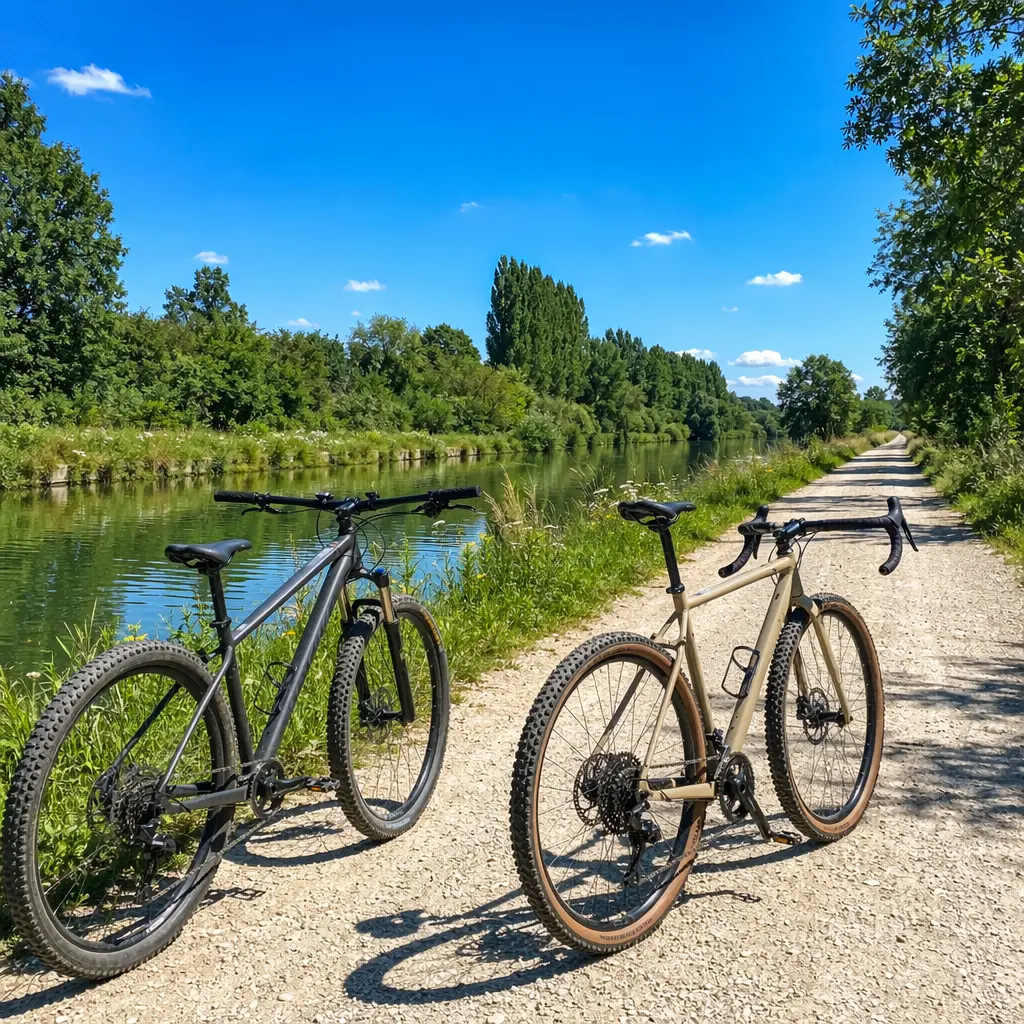
What you actually get at this price
At £700, both categories sit firmly in their entry tiers. Frames are usually aluminium, components prioritise durability over refinement, and weight savings are limited. The differences come from where that money is spent: suspension and wide tyres on the hardtail, or lighter wheels and drop bars on the gravel bike.
Neither option is ‘cheap rubbish’, but neither is optimised for extremes. Expect bikes that cope well with mixed use, as long as expectations stay realistic.
- Frame: aluminium on both; carbon forks are rare at this price
- Drivetrain: wide-range 1x or basic 2x setups using entry-level Shimano or microSHIFT parts
- Brakes: mechanical disc brakes are common; hydraulic discs appear occasionally but at the basic end
- Wheels & tyres: hardtail gets 2.2–2.4in knobbly tyres; gravel bike typically 38–45mm semi-slicks
- Suspension: hardtail includes a basic coil fork; gravel bikes are rigid
- Mounts: gravel frames usually offer more eyelets for racks and mudguards
How to choose
The biggest decision is where comfort should come from. A hardtail relies on front suspension and fat tyres to smooth things out, making it forgiving on roots, potholes and kerb drops. A gravel bike spreads comfort across tyre volume, flexible riding position and steady geometry — but it asks the rider to absorb more feedback.
Riding style matters too. Flat bars on a hardtail feel intuitive for riders coming from leisure or urban bikes, with strong control at low speeds. Drop bars on a gravel bike offer multiple hand positions and better efficiency into headwinds, which pays off on longer rides and tarmac stretches.
What to look out for
- Very heavy suspension forks that add weight without much control
- Limited tyre clearance on cheaper gravel frames
- Mechanical disc brakes with weak stopping power in wet conditions
- Poor stock saddles — common on both types
- Minimal gear range on 1x drivetrains if you ride steep hills regularly
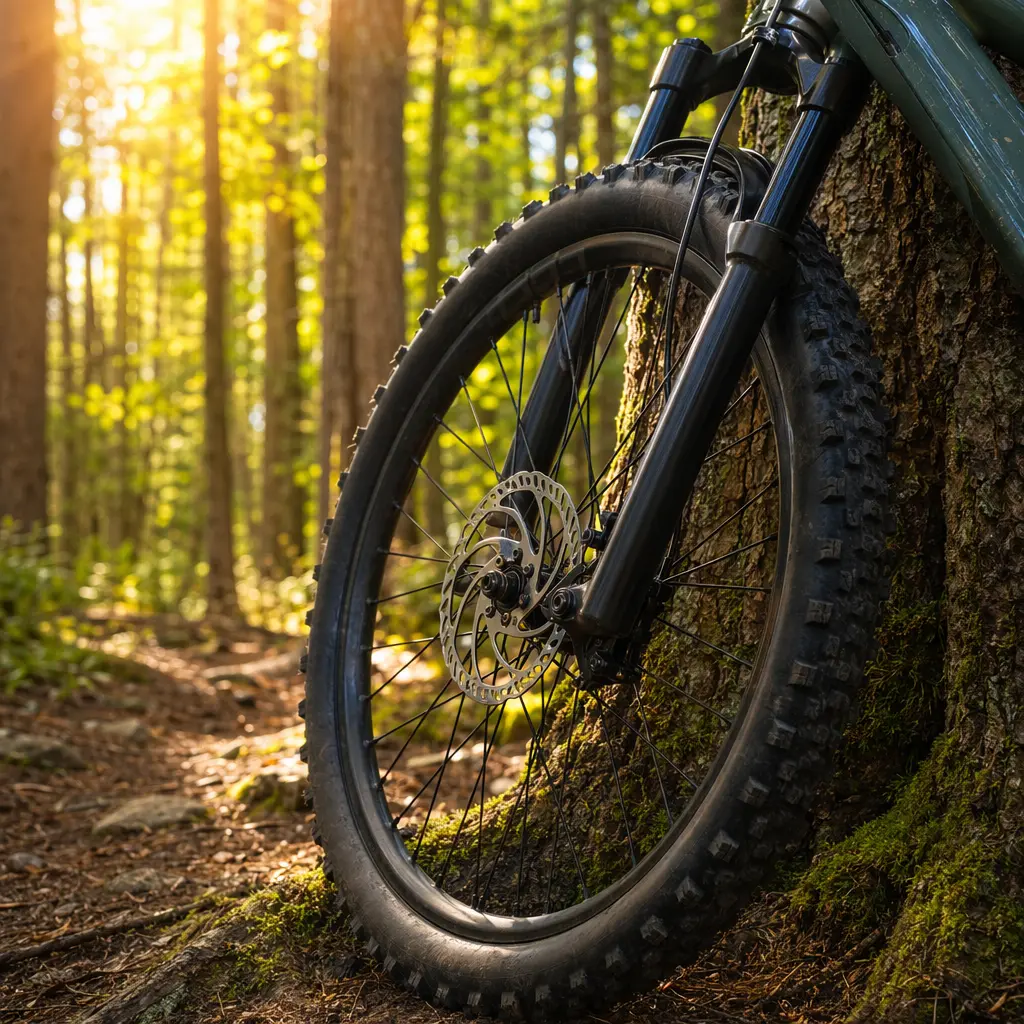
Worth spending more on
Small upgrades make a bigger difference than chasing a more expensive frame. Tyres are the standout: swapping stock rubber for faster-rolling, puncture-resistant options can transform either bike on UK lanes and towpaths. Contact points matter too — a better saddle and grippy pedals improve comfort immediately.
For year-round riding, budget for proper mudguards and a decent lock. Gravel bikes usually accept full-length guards more easily, but many hardtails can be adapted with the right fittings.
Frequently asked questions
Is a gravel bike too fragile for UK bridleways?
No — as long as tyres are wide enough and pressures sensible. At £700, gravel bikes are built tough, but they’re better suited to smoother bridleways than rocky trail centres.
Will a hardtail feel slow on the road?
Compared with a gravel bike, yes. Knobbly tyres and suspension sap speed on tarmac, though swapping to faster tyres helps if road miles dominate.
Which is cheaper to maintain?
Gravel bikes are simpler: no suspension fork to service and lighter components overall. Hardtails cost more long-term if the fork needs regular attention.
Can one bike replace both?
At this budget, not perfectly. Gravel bikes stretch further across surfaces, but hardtails win if off-road confidence matters most.
In short: choose a hardtail if rough trails and poor surfaces dominate, or a gravel bike if distance, efficiency and versatility matter more — either can work for mixed UK riding when expectations match the budget.
Find these on Amazon
As an Amazon Associate, CheapBikes earns from qualifying purchases.