Is a hybrid bike worth it for short school-run trips?
For short, stop-start rides, a hybrid bike often makes more sense than a fast road bike. Here’s why comfort, stability and low gearing matter more for school runs and errands.
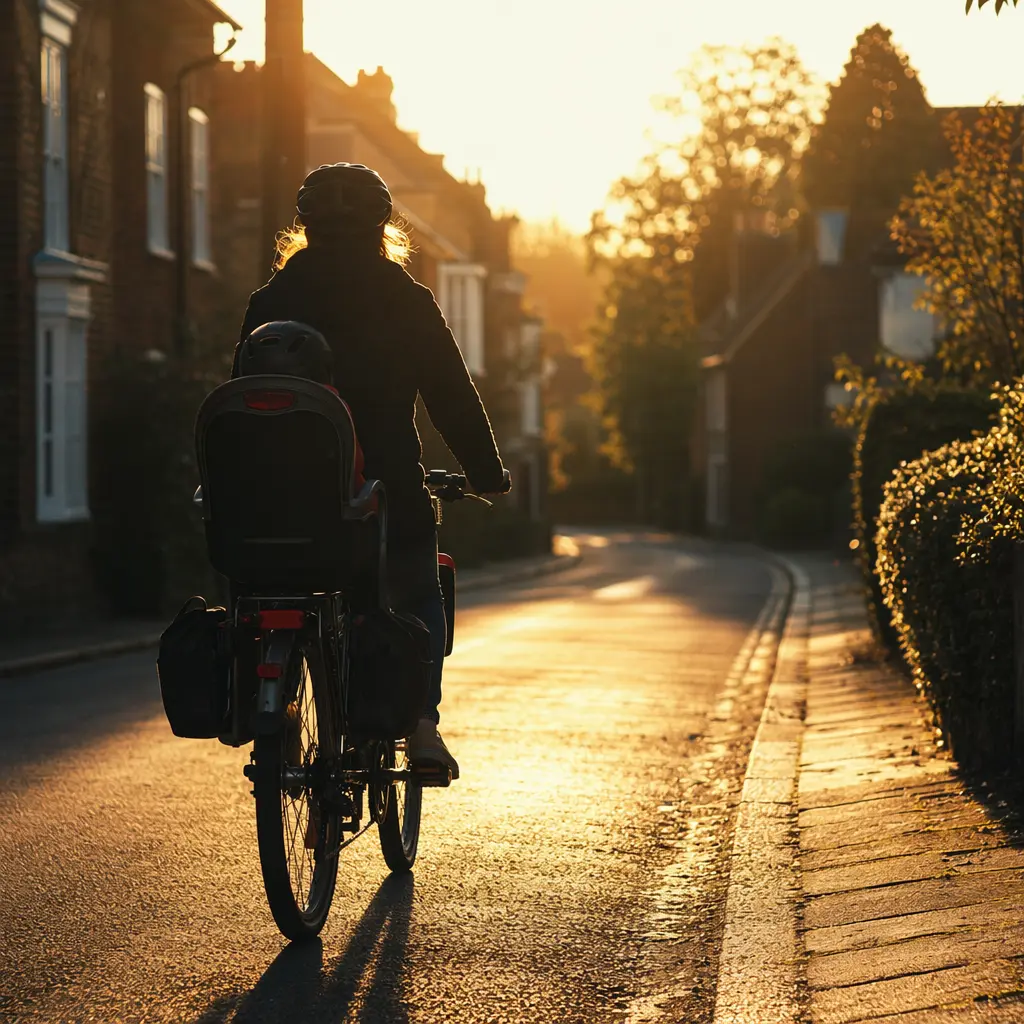
Short school-run and errand trips place very different demands on a bike than weekend rides or long commutes. Journeys are brief, often under two miles, with frequent stops, kerbs, junctions and the occasional pothole. The real question isn’t speed, but whether a bike is easy, comfortable and practical enough to use every day. For many riders, that’s where a hybrid bike earns its keep.
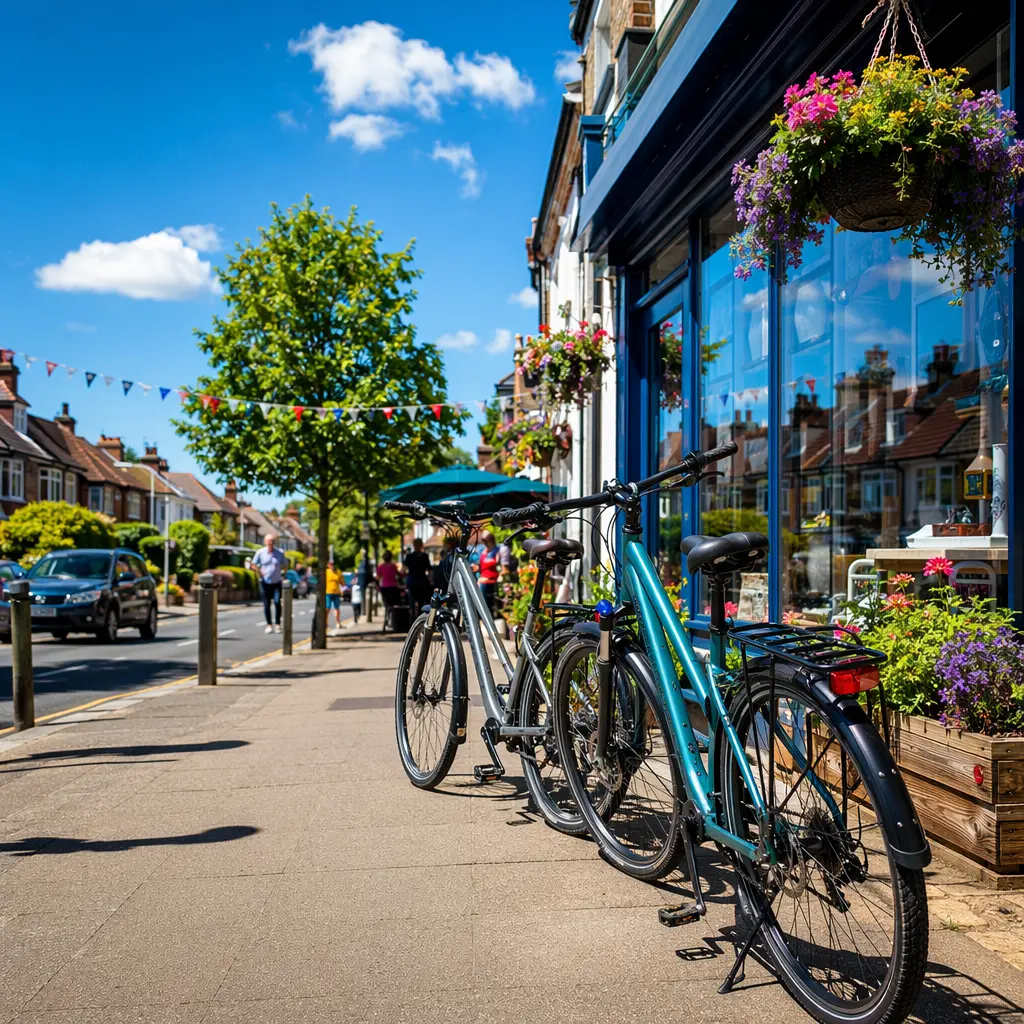
What you actually get at this price
Most hybrid bikes aimed at everyday use focus on comfort, stability and practicality rather than outright speed. Even at entry and mid-level prices, they’re designed to cope with poor road surfaces, short climbs and repeated stop-start riding.
Compared with a road bike, a hybrid’s components are chosen to be forgiving and low-maintenance. That suits school runs, shopping trips and rides in everyday clothes.
- Frame material: usually aluminium, prioritising durability over light weight
- Gearing: wide-range gearing with low ratios for pulling away at junctions or climbing short hills
- Brakes: rim brakes or basic hydraulic discs, tuned for control rather than race performance
- Tyres: wider tyres (often 32–40mm) for comfort over rough tarmac and dropped kerbs
- Extras: mounts for mudguards, pannier racks and sometimes kickstands
How to choose
For local riding, fit and geometry matter more than top-end components. An upright riding position gives better visibility in traffic and reduces strain on the back and neck, especially when rides are short but frequent.
Think about how the bike will be used day to day. Carrying a backpack is fine for occasional trips, but a pannier rack quickly becomes essential if shopping or school bags are involved. Low gearing is also worth prioritising, particularly if the route includes even modest hills.
What to look out for
- Overly sporty hybrids with aggressive geometry that sacrifice comfort
- Very narrow tyres that transmit bumps and feel unstable at low speed
- Lack of mounts for mudguards or racks, limiting everyday practicality
- Cheap suspension forks that add weight but little real comfort
- Heavy stock saddles that may need replacing
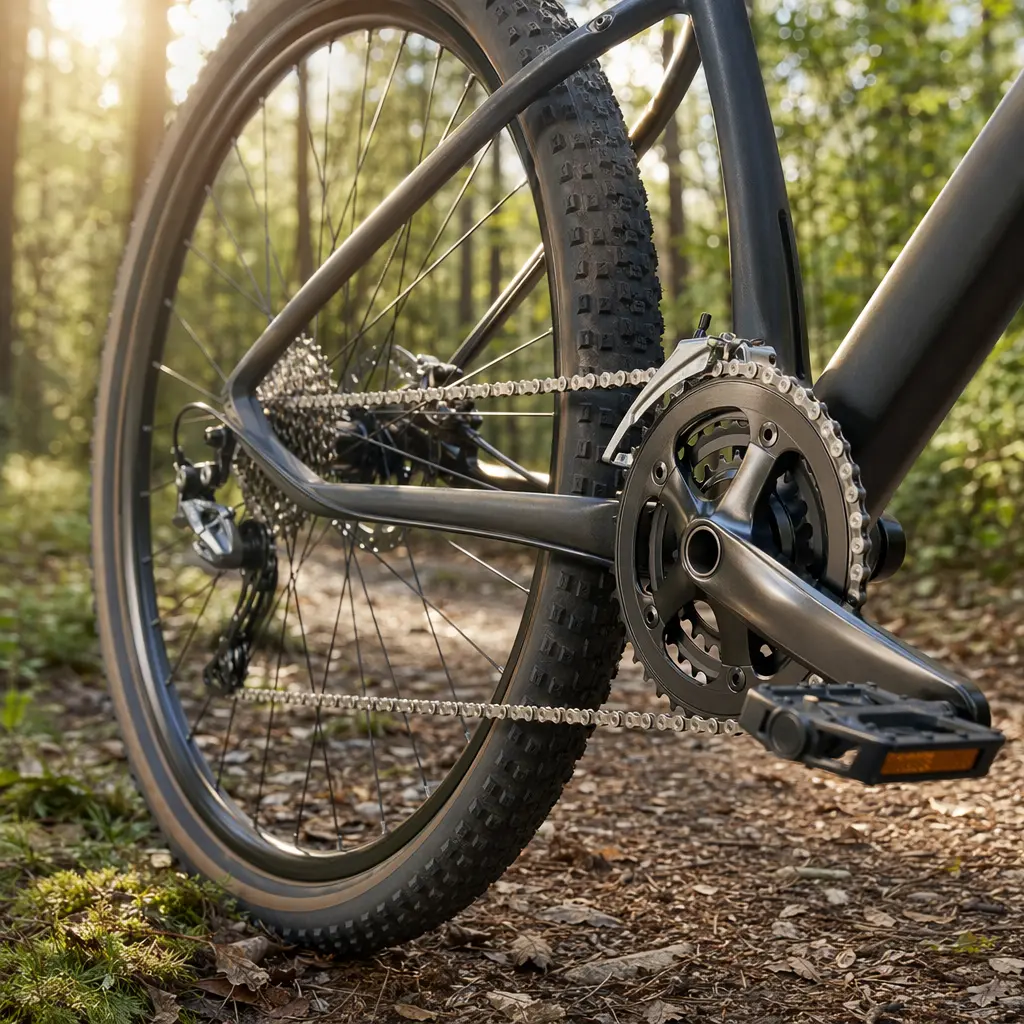
Worth spending more on
For short trips, a few modest upgrades can make a noticeable difference. Tyres are the biggest improvement: quality puncture-resistant tyres reduce hassle and improve comfort far more than lighter components.
A comfortable saddle, proper mudguards and a secure lock are also money well spent. These don’t make the bike faster, but they make it easier to rely on day after day.
Frequently asked questions
Is a hybrid better than a road bike for short trips?
For most people, yes. Road bikes are quicker once up to speed, but hybrids are easier to live with when rides are short, surfaces are rough and frequent stops are involved.
What about an electric bike instead?
E-bikes can be excellent for hilly routes or longer distances, but for short, flat trips a standard hybrid is cheaper, lighter and simpler to maintain.
Do I need suspension?
Usually not. Wider tyres at lower pressures provide plenty of comfort for urban riding without the weight and maintenance of a suspension fork.
Can a hybrid carry child seats or trailers?
Many can, provided the frame and rack mounts are compatible. Always check weight limits and fitting guidance before buying.
For short school runs and everyday errands, a hybrid bike is rarely the fastest option, but it’s often the most practical. Comfort, low gearing and everyday usability tend to matter far more than outright speed.
Find these on Amazon
As an Amazon Associate, CheapBikes earns from qualifying purchases.