Is a BMX Worth It for Pump Tracks and Playgrounds?
A cheap BMX can survive casual pump track laps and playground riding, but ultra-budget bikes often struggle with repeated impacts. Here’s what matters before spending.
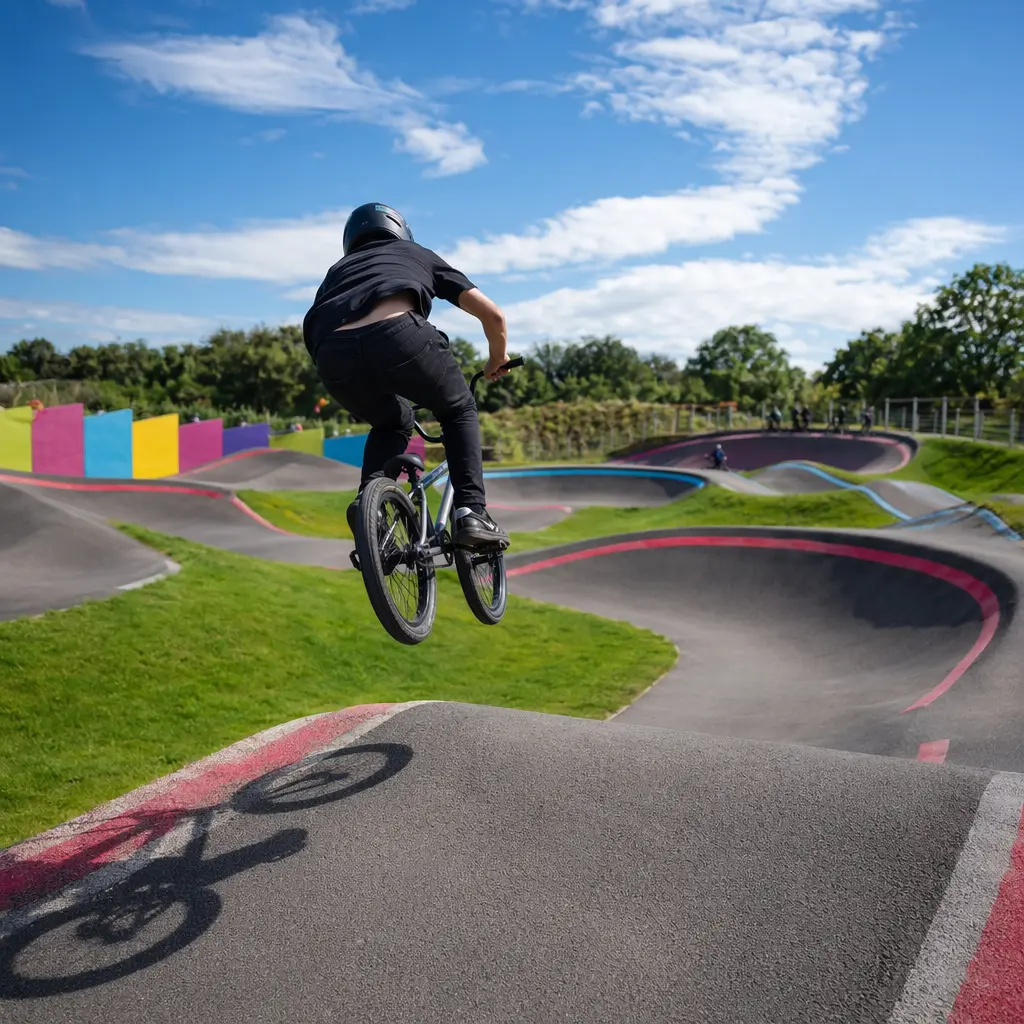
For short sessions at the local pump track or repeated trips around playground ramps, a BMX can make more sense than a mountain bike. The smaller wheels, compact frame and low saddle suit jumps, quick turns and low-speed crashes better than most other bike types. The challenge is deciding how little to spend before durability becomes a problem. At the very bottom end of the market, repeated impacts from missed landings, kerb drops and learning crashes can wear out parts surprisingly quickly.
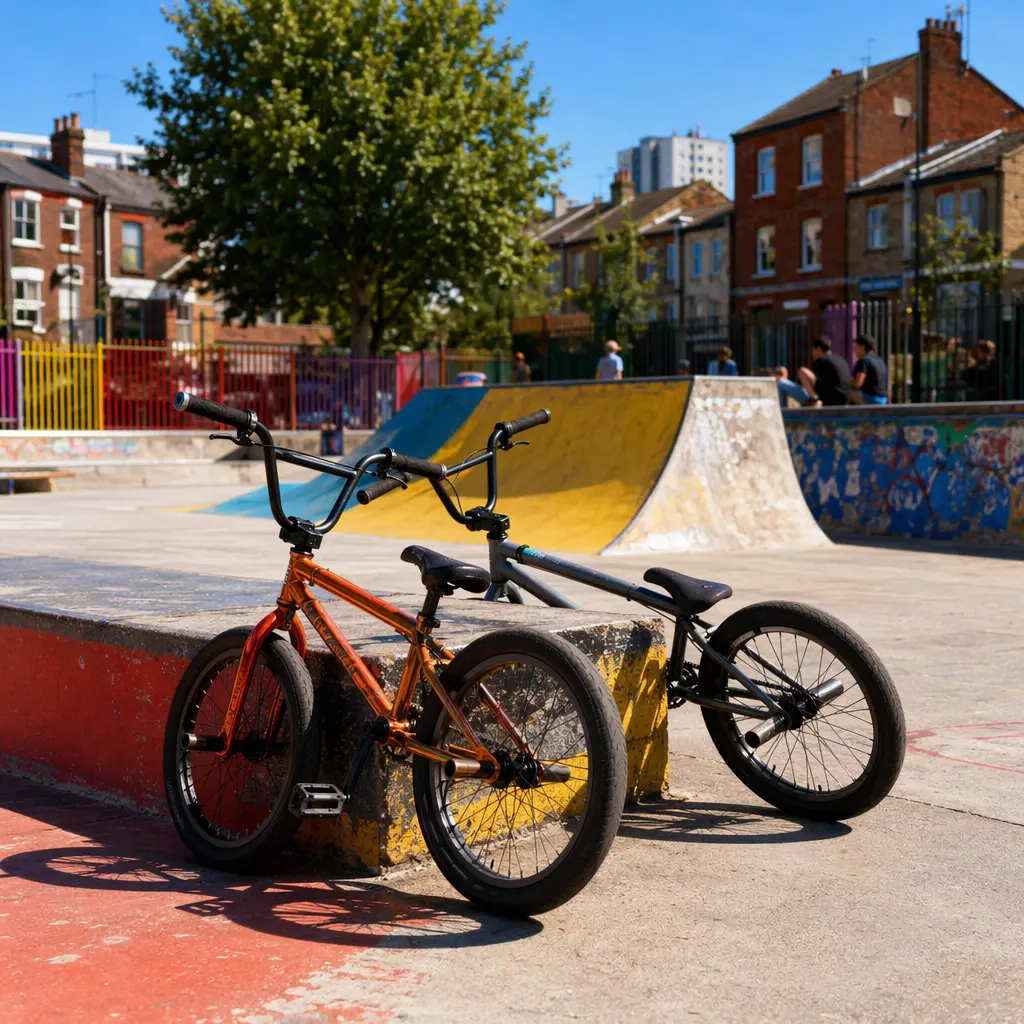
What you actually get at this price
Entry-level BMX bikes aimed at casual riding are usually built around hi-tensile steel frames with basic single-speed drivetrains and simple wheels. That setup is fine for cruising around playgrounds, rolling pump tracks and learning manuals or bunny hops. The simplicity is part of the appeal: fewer gears and suspension parts means less maintenance and fewer things to break.
Where prices really matter is in the strength of the wheels, cranks and bearings. Ultra-cheap department-store BMX bikes often save money with weaker one-piece cranks, loose bearings and heavy wheels that go out of true after repeated hard landings. Spending slightly more usually gets sealed bearings, stronger three-piece cranks and double-wall rims, which hold up far better if riding includes jumps or regular impacts.
- Hi-tensile steel frames are common and durable but noticeably heavy
- Single-speed gearing keeps maintenance simple and suits pump tracks well
- Mechanical or rim brakes are basic but adequate for low-speed riding
- Three-piece cranks are stronger than one-piece budget setups
- Double-wall rims cope better with repeated curb drops and rough landings
- Sealed bearings last longer in wet UK conditions and need less adjustment
- Peg compatibility and rotor compatibility are often missing on cheaper bikes
How to choose
Fit matters more than many first-time BMX buyers expect. A bike that is too small can feel twitchy and unstable on pump tracks, while one that is too large becomes awkward for younger or shorter riders to move around underneath them. Top tube length is usually the key measurement, and riders should be able to stand comfortably over the frame and move the bike side to side easily.
It also helps to think realistically about how the bike will be used. Casual laps around a playground or smooth pump track place very different demands on a BMX than skatepark tricks or dirt jumps. Riders who mainly want to learn balance, cornering and pumping can get away with a simpler setup. Riders already attempting jumps, stair drops or repeated hard landings should prioritise stronger wheels and cranks even if it means spending a little more upfront.
What to look out for
- Heavy wheels that feel slow to accelerate and bend easily
- Cheap pedals with poor grip in wet weather
- Loose ball bearings that need frequent adjustment
- Weak one-piece cranks on ultra-budget bikes
- Tyres with very little grip on smooth concrete or dusty tracks
- Frames without enough clearance for wider tyres
- Overly tall gearing that makes pump tracks harder to ride efficiently
- Very heavy complete bike weight, especially on cheaper steel builds
Worth spending more on
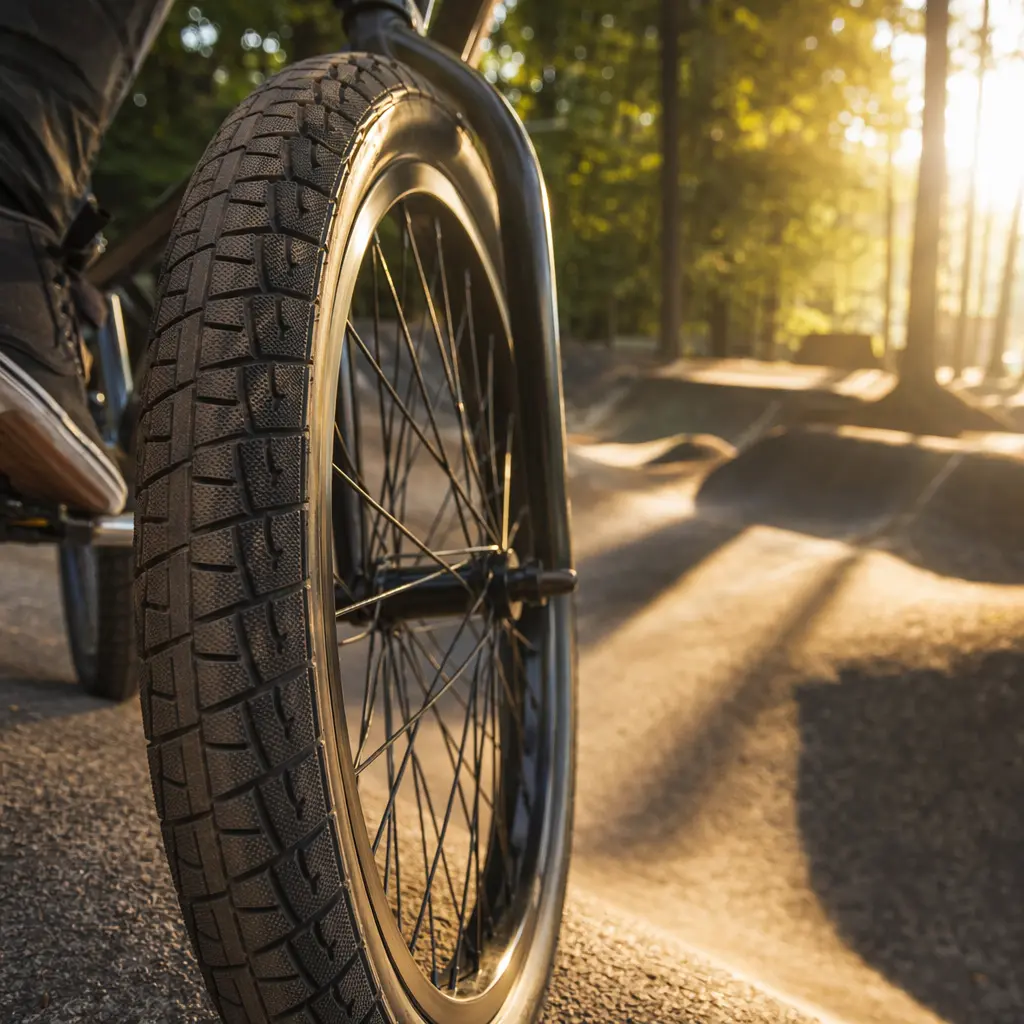
A few upgrades make a bigger difference than chasing flashy parts. Better tyres are one of the smartest investments because they improve grip on smooth pump track surfaces and help soften harsh landings slightly. Grippy pedals and gloves also improve confidence for newer riders learning jumps or manuals.
Protection matters as much as bike quality when crashes are part of the learning process. A properly fitted helmet is essential, and riders using skateparks or harder pump tracks may also appreciate knee and shin protection. A stronger lock can also be worthwhile if the bike will regularly be left outside schools, parks or leisure centres.
Frequently asked questions
Can a very cheap BMX survive pump track riding?
For occasional casual use, many can. The problem comes with repeated hard landings and aggressive riding, where cheaper wheels, cranks and bearings wear out faster or bend more easily. Spending slightly above the absolute minimum often buys much better durability.
Is a BMX better than a mountain bike for playground riding?
For tight spaces, ramps and smooth pump tracks, a BMX usually feels more responsive and easier to manoeuvre. Mountain bikes are more comfortable over rough ground but can feel bulky in smaller skate-style environments.
Do beginners need sealed bearings?
Not strictly, but sealed bearings are one of the upgrades that noticeably reduce maintenance. They cope better with wet conditions and repeated impacts, which is useful for year-round UK riding.
What age is a BMX suitable for?
BMX bikes come in several wheel sizes, so younger riders are not limited to full-size 20-inch models. The important part is matching the frame and wheel size to the rider’s height and confidence level rather than buying a bike to grow into.
For pump tracks and playground riding, a BMX can absolutely be worth it, but the cheapest bikes often become false economy once repeated crashes and impacts enter the picture. A modest step up in quality usually brings much stronger parts and a longer-lasting ride.
Find these on Amazon
As an Amazon Associate, CheapBikes earns from qualifying purchases.